Undercover Game Wardens Infiltrate Poaching Network, Leading to Charges Against Michigan Hunters in Multi-State Deer Case
A network of hunters thought they could slip under the radar by crossing into Ohio for illegal deer hunts. What they did not count on was a patient, thorough response from wildlife officers who spent two years building a case from the ground up.
The investigation began after ordinary tips reached the right people in 2023. One report came straight to a wildlife officer. Another landed at the Ohio Department of Natural Resources communications center just weeks later. Both pointed to the same pattern: hunters from Michigan traveling to Ohio, using lights at night to locate and shoot deer, then skipping the required tagging steps.
Officers recognized early that this was not a one-off mistake. The details suggested an organized effort involving multiple people. That is when they decided to take a closer look instead of rushing in.
Tips That Launched the Two-Year Probe
Those first reports set everything in motion. Officers heard about Michigan hunters taking multiple bucks after dark with spotlights, a tactic known as jacklighting that stuns the animals and makes them easy targets. The tips also mentioned failures to game-check the deer properly once they were harvested.
From there the Ohio Division of Wildlife assigned staff to verify the claims. They reviewed patterns across counties and started reaching out to potential witnesses. You start to see how a couple of phone calls can grow into something much larger when the facts line up. The officers treated the information seriously from day one, knowing it could point to wider issues in how some hunters operated across state borders. Their approach stayed methodical, focusing on confirmation before any larger steps.
How Officers Managed to Blend into the Group
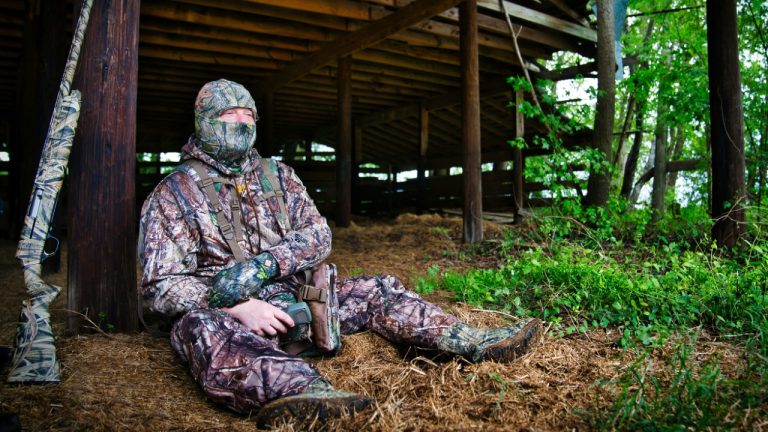
The undercover phase lasted the full two years. Wildlife officers worked their way into the circle of hunters to observe directly. They collected photos and videos that the suspects themselves shared, all while watching violations happen in real time.
This was not about quick arrests. The goal remained gathering solid proof that would hold up later. Officers documented everything from the nighttime hunts to the handling of the deer afterward. You come to understand the patience required when you realize they stayed embedded long enough to see the full cycle repeat. Their presence stayed low-key, letting the group continue its routines while the evidence accumulated.
Evidence Collected Along the Way
Photos and videos formed the backbone of the file. Officers captured images of deer taken illegally at night and records of animals moved without the proper tags. They also noted instances of hunting with help from motor vehicles and other rule breaks.
Direct observations added weight because officers saw the actions themselves. They witnessed jacklighting in progress and the lack of required hunter orange during certain seasons. Additional details included a stolen trail camera and litter left behind on state property. The case file grew thick with specifics from Licking County, Muskingum County, and other areas. Each piece connected back to the original tips, strengthening the overall picture before any confrontation.
The Day Officers Moved In on the Hunters
January 2025 brought the operation to a head in Guernsey County. Wildlife officers, supported by the local sheriff’s office and its drone, approached a group of five hunters while they were active in the field. The timing allowed them to intervene during an actual outing.
Other members of the network received contact later, some back in Michigan with assistance from state officials there. The coordinated effort covered multiple locations without unnecessary disruption. You get a sense of the planning involved when you consider how the drone and ground teams worked together that day. The action remained focused and professional, turning months of preparation into on-the-spot enforcement.
Michigan Residents Who Faced the Charges
Five men from Michigan ended up among the eleven total charged. James Barrett, twenty-eight, of Harrison Township, faced counts that included multiple instances of jacklighting and hunting with a motor vehicle. Todd Brown, fifty-one, of Atlanta, dealt with charges tied to lacking the required non-resident licenses and permits along with jacklighting.
Paul Laurain, forty-two, and James Laurain, seventy-one, both of Sterling Heights, appeared in connection with failures to wear hunter orange and related aiding violations. Jonathan Ricker, fifty-one, of Washington Township, handled charges for hunting without the proper deer permit, failing to game-check, and providing false information during the check process. Their cases moved through courts in Licking, Muskingum, and Cambridge areas.
The Range of Violations Brought to Light
The charges covered a wide set of rules broken during the hunts. Beyond jacklighting, officers documented hunting without non-resident permits or licenses, failing to game-check deer, and using motor vehicles to aid the activity. Some faced counts for littering with deer carcasses on state land and even theft of a trail camera.
Additional violations included skipping hunter orange requirements during muzzleloader season and giving false details when attempting to check game. The full list showed a pattern of ignoring basic wildlife regulations that protect deer numbers and fair access for everyone. Officers tied each count directly to documented events, leaving little room for doubt once the evidence reached the courts.
Outcomes from the Court Proceedings
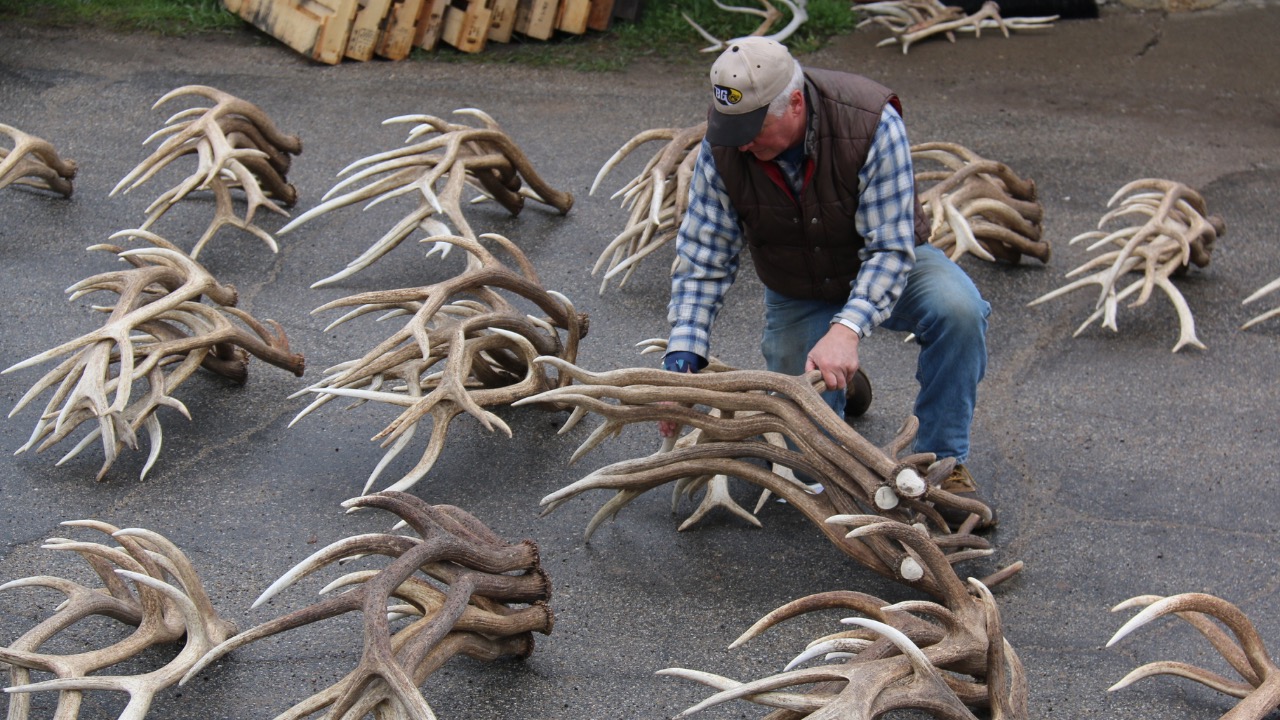
Sentencing wrapped up across several Ohio courts by early 2026. All five Michigan men received three-year revocations of their hunting licenses. James Barrett paid restitution in two counties, served twelve days of a longer jail term, and completed three hundred days of house arrest with a GPS monitor. Todd Brown faced nearly ten thousand dollars in restitution and forfeited two sets of antlers.
Paul Laurain, James Laurain, and Jonathan Ricker each paid fines plus court costs and provided restitution for the deer involved, with some hours of community service offered as an alternative. Suspended jail time and probation appeared in several outcomes. The penalties reflected the seriousness of the combined violations while allowing structured resolution through the courts.
Coordination Across State Lines
Michigan’s involvement helped close the loop. When officers needed to reach suspects back home, the Michigan Department of Natural Resources stepped in to assist with contacts. The cross-border element turned the case into one that spanned two states from the start, given where the hunters lived and where they hunted.
This teamwork kept the process efficient. Tips that originated in Ohio led to enforcement that reached into Michigan without complications. You see how state agencies can align their efforts when the activity crosses boundaries, making sure no one slips through simply by driving home afterward. The result reinforced that wildlife laws apply regardless of where the hunters call home.

Asher was raised in the woods and on the water, and it shows. He’s logged more hours behind a rifle and under a heavy pack than most men twice his age.