US defence secretary warns Iran of end to ‘international extortion’ in shipping lanes as tensions escalate
Tensions have sharpened in the Persian Gulf, where control of a narrow waterway shapes global energy flows and tests international resolve. You follow the developments as the US defense secretary lays out a firm position against what he describes as Iran’s efforts to disrupt commercial shipping in the Strait of Hormuz. Pete Hegseth has called out the pattern of harassment and attempted tolls, framing it as something that cannot continue. His comments come amid a US-led effort to keep lanes open, even as a fragile ceasefire holds in the background.
The Strategic Importance of This Vital Passage
The Strait of Hormuz serves as the main route for about one-fifth of the world’s oil and natural gas supplies. You see its narrow channels connecting the Persian Gulf to the open ocean, making it a choke point that influences prices at the pump and stability in distant markets. Disruptions here ripple through supply chains and economies far beyond the region.
Recent actions have raised concerns about safe passage for tankers and cargo vessels from many nations. You recognize how this matters for everyday consumers and industries that rely on steady energy deliveries. The US has stepped in to counter threats that could affect trade routes long considered essential for global commerce.
Iran’s Tactics in the Persian Gulf
Iran has targeted civilian ships with harassment and occasional gunfire, according to US officials. You hear reports of attempts to force payments for safe transit, which the Pentagon views as an effort to extract money from international traffic. This approach has left mariners from various countries feeling the pressure in waters they once navigated without interference.
Such moves have drawn sharp criticism for turning a shared waterway into a source of leverage. You note that these incidents coincide with broader regional strains, yet the focus remains on protecting routine commercial activity. The pattern suggests a calculated push that goes beyond routine patrols.
Hegseth’s Blunt Assessment of the Situation
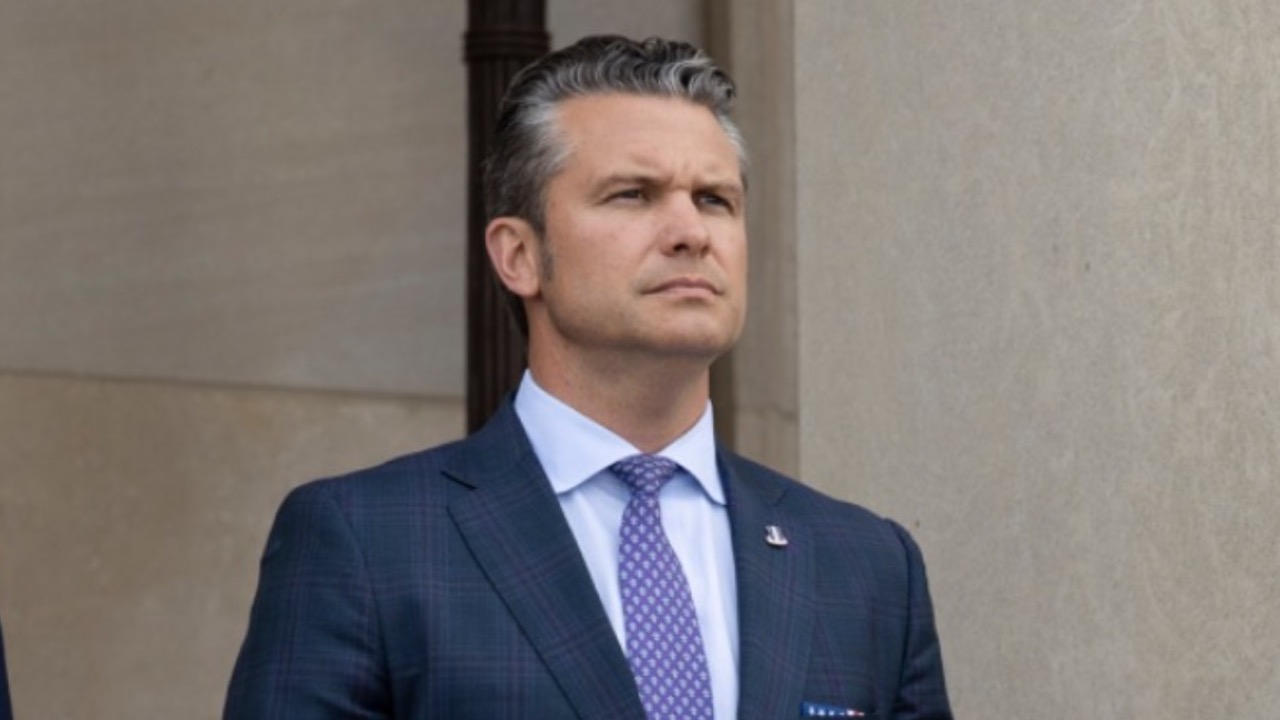
Defense Secretary Pete Hegseth has described Iran’s behavior as international extortion that must stop. You read his statements emphasizing that no single country can block others from using this international route. He pointed to the harassment of tankers and the push for tolls as unacceptable, signaling a clear line from Washington.
His remarks highlight the US view of Iran as the aggressor in this specific dispute. You see how the message aims to deter further interference while underscoring that commercial shipping deserves protection. The tone reflects a determination to restore normal operations without unnecessary escalation.
What Project Freedom Actually Involves
Project Freedom operates as a temporary, defensive mission to safeguard commercial vessels moving through the strait. You learn that it involves US Navy escorts for ships seeking safe transit, without entering Iranian waters or airspace. The effort stays narrow in scope and separate from wider military actions in the area.
Officials stress its limited duration and single goal of keeping lanes open for innocent cargo. You appreciate the distinction from other operations, which helps maintain focus amid ongoing talks. Two US-flagged ships have already completed escorted passages, demonstrating that traffic can resume under protection.
Showing the World the Lane Remains Open
US forces have guided commercial ships through the strait, proving the route stays accessible. You follow accounts of destroyers accompanying tankers, countering claims that Iran holds full control. Hundreds of additional vessels now wait to make the crossing under this arrangement.
This practical step challenges any notion of a blockade by one side. You notice how it reassures global markets and shipping operators that alternatives exist to risky solo voyages. The operations highlight effective presence without aiming for permanent dominance in the waterway.
Preparing for Any Potential Escalation
The US has warned that attacks on commercial shipping would meet overwhelming firepower in response. You understand Hegseth’s message leaves little room for doubt about consequences, while insisting the goal is not conflict. American assets provide a protective cover described as a strong deterrent over the strait.
This readiness pairs with repeated statements that Washington seeks no fight. You see the balance between strength and restraint, designed to discourage aggression without inviting broader confrontation. The approach keeps options open for de-escalation if Iran adjusts its stance.
Guidance Issued to International Shippers
Washington has alerted shipping companies about risks of paying Iran for passage through the strait. You encounter details from the Office of Foreign Assets Control that outline potential sanctions for such transactions, applying to US entities and possibly others. The notice adds pressure on firms to avoid deals that could support the disputed practices.
This advisory helps steer the industry toward safer, sanctioned routes under US protection. You recognize its role in preventing indirect funding of the very tactics under criticism. Companies now weigh compliance carefully as they plan voyages in the region.
Balancing Defense With Efforts Toward Peace
Project Freedom runs alongside a ceasefire that officials say still holds despite isolated incidents. You observe efforts to keep the shipping mission distinct from larger diplomatic or military tracks. Pakistan has helped mediate talks, creating space for potential agreements that could ease the standoff.
The US maintains the blockade on Iranian ports while pausing some escort activities to test progress. You see this as a measured way to encourage dialogue without dropping defenses. The situation remains fluid, with outcomes depending on how both sides respond in the coming days.

Asher was raised in the woods and on the water, and it shows. He’s logged more hours behind a rifle and under a heavy pack than most men twice his age.