US Navy warships return from record 11-month deployment as admirals reaffirm traditional military posture
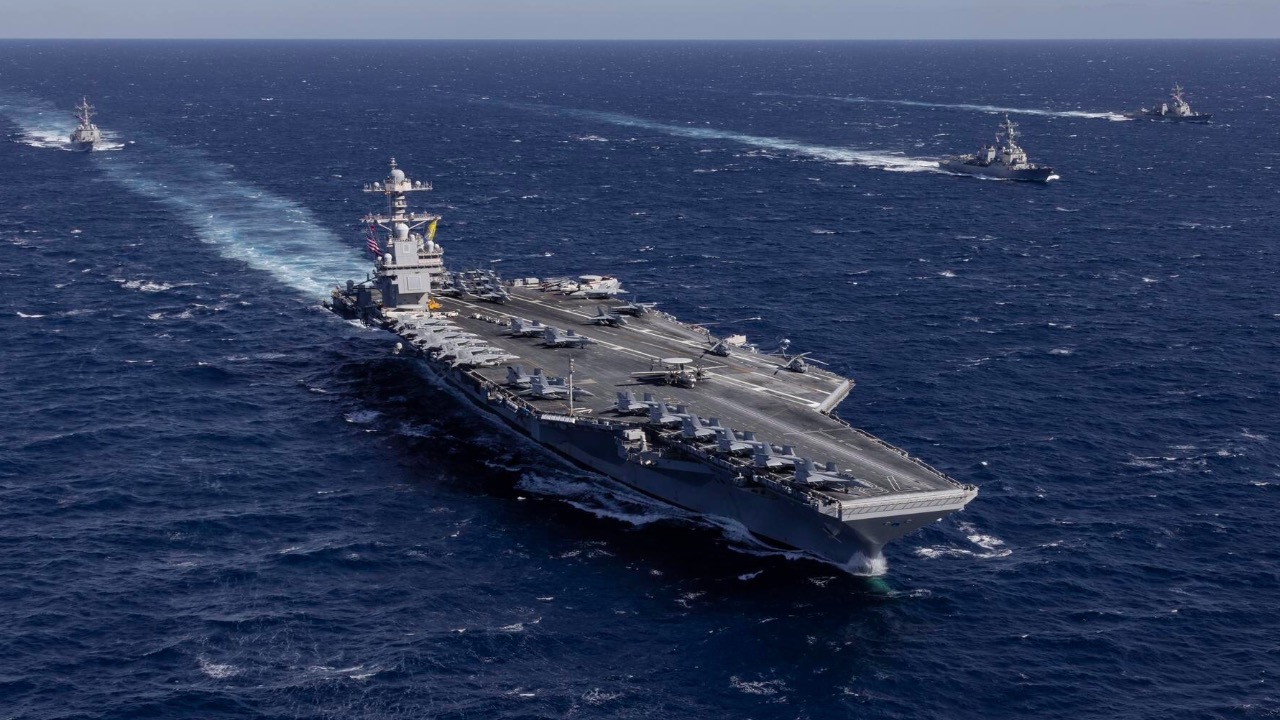
After nearly a full year at sea, the USS Gerald R. Ford and its strike group pulled into Naval Station Norfolk this weekend. Around 4,500 sailors stepped back onto familiar ground following a deployment that stretched far beyond the usual schedule. The carrier had covered more than 57,000 nautical miles across multiple fleets while handling unexpected shifts in global tensions. Admirals overseeing the Navy described the extended mission as proof that carrier strike groups remain central to American naval power, even as questions linger about how long crews can sustain such paces.
You notice the weight of those months in the quiet reunions on the pier. Families waited through holidays, birthdays, and ordinary days that passed without the people who usually fill them. The Navy has leaned on these ships for decades to project strength where it matters most, and this homecoming brings both relief and a reminder of the costs involved.
The Scale of the Deployment
Sailors left Norfolk in late June 2025 expecting a more standard rotation. Instead, events pulled the group through the Fourth, Fifth, and Sixth Fleets over 326 days. The carrier conducted dozens of replenishments at sea and its air wing flew thousands of hours in support of operations that ranged from presence patrols to direct responses.
You see the numbers and understand why this stands out. Post-Vietnam War records show no other carrier has stayed out this long in a single stretch. The Navy used the Ford’s advanced systems to maintain readiness across vast distances, yet the achievement also highlights the strain placed on both people and equipment when timelines keep extending.
Operations Across Regions
The strike group responded to developments near Venezuela and later moved to support actions tied to the conflict with Iran. Destroyers like the Bainbridge sailed alongside, contributing to a coordinated effort that covered multiple theaters. Leadership described the movements as necessary adjustments to unfolding situations rather than a fixed plan from the start.
You follow the path on a map and realize how much ground one group covered. From the western Atlantic approaches to the Mediterranean and into the Middle East, the Ford served as a mobile base that could shift focus quickly. These transitions tested logistics and crew endurance in ways shorter deployments rarely do.
Challenges Faced at Sea
A significant fire broke out during the deployment, displacing hundreds of sailors and requiring repairs in Crete. Plumbing issues added to the daily difficulties aboard a ship already pushing its limits. Despite these setbacks, the crew continued missions while addressing the problems on the move.
You hear accounts from those who lived through it and sense the accumulated fatigue. Extended time away from home port affects everything from sleep schedules to personal relationships. The Navy worked to provide support through organizations like the USO, but nothing fully replaces time on solid ground with family.
Admirals on Naval Posture
Senior officers, including the Chief of Naval Operations, pointed to the Ford’s mission as evidence that traditional carrier operations still deliver results. They emphasized the value of forward presence and the ability to respond across regions without relying solely on newer distributed concepts. The deployment, in their view, reaffirmed the role of large deck ships in deterrence and crisis response.
You listen to their statements and notice the balance they strike. While acknowledging the success, leaders also recognize the need to manage sailor welfare and maintenance cycles. The record run sparks ongoing discussions inside the service about future deployment lengths and how to keep forces ready over the long term.
Looking Ahead for Sailors and Ships
The return gives the crew a chance to reset before the next cycle begins. Maintenance teams will inspect every system on the Ford after such heavy use, while families rebuild routines interrupted for almost a year. The Navy plans to apply lessons from this deployment to upcoming schedules.
You consider the broader picture and see both accomplishment and pressure. American naval power depends on people willing to accept these demands, and on ships engineered to handle them. This homecoming marks the end of one chapter while feeding directly into decisions about how the fleet operates in the years to come.

Asher was raised in the woods and on the water, and it shows. He’s logged more hours behind a rifle and under a heavy pack than most men twice his age.