Vladimir Putin warned of looming military defeat in Ukraine
When you follow the twists in the Russia-Ukraine war, the picture that emerges feels heavier than the daily headlines suggest. Vladimir Putin finds himself on the receiving end of pointed criticism from one of his own early backers, a man who helped set the conflict in motion years ago. Recent Ukrainian drone strikes have hammered a major oil facility on the Black Sea coast, sending plumes of toxic smoke across resort towns and raising fresh questions about Russia’s ability to sustain its campaign. These developments come more than four years into the fighting, at a moment when battlefield gains for Moscow have slowed and the economic costs keep mounting. You sense the strain in the voices coming from inside Russia itself, where even committed nationalists now question whether the leadership has run out of options.
Recent Drone Attacks Target Key Russian Energy Infrastructure

Ukrainian forces launched another wave of drone strikes against the Tuapse oil refinery and port complex on the Black Sea earlier this week. This marked the third hit on the same site in under two weeks, sparking large fires and forcing local evacuations amid thick, black smoke that lingered over the area. The facility, operated by Rosneft, serves as a critical export point for Russian oil, and the repeated damage has already halted production there since mid-April.
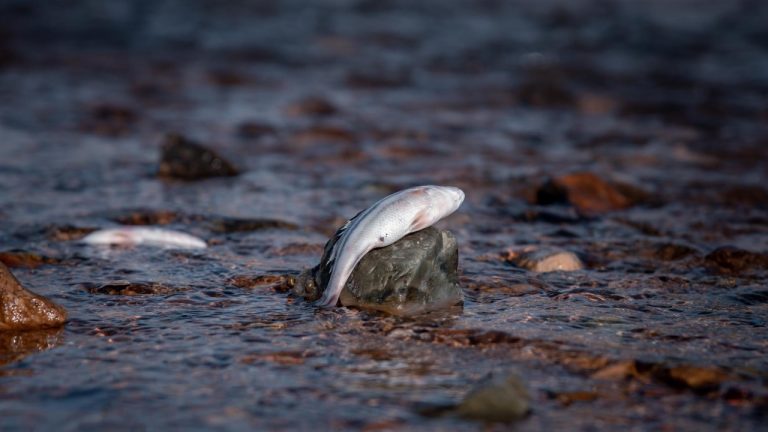
Residents reported the smell of burning fuel filling the air, with some using basic masks to go outside. Oil from the damaged tanks has spilled into the sea, drifting toward popular summer destinations further down the coast. The attacks highlight Ukraine’s focus on disrupting Russia’s energy exports, a tactic aimed at squeezing the funds that keep the war effort running. Observers note how these precise strikes expose vulnerabilities in facilities once thought secure deep inside Russian territory.
A Prominent War Supporter Sounds the Alarm from Prison
Igor Girkin, better known as Strelkov, has issued a blunt assessment of Russia’s position in the conflict. Once a key figure in the 2014 takeover of Crimea and parts of Donbas, the former FSB officer now sits in a Russian jail after earlier public criticism of the Kremlin. From behind bars, he describes the war as having reached a dead end, with heavy losses producing little progress after more than four years of fighting.
Girkin argues that Russian commanders missed every real chance for a decisive win and that desperation has set in. He warns that even large-scale mobilization would change nothing because the economy lacks the weapons and resources to equip new troops effectively. His words carry weight among those who once backed the invasion enthusiastically, making this rare outburst from a hardliner stand out as a signal of deeper frustration within pro-war circles.
The Economic Strain Behind the Warnings of Defeat
Russia’s economy shows clear signs of stress under the weight of prolonged fighting. Sanctions and the need to fund the military have stretched resources thin, affecting everything from industrial output to everyday supplies. Girkin’s comments from prison point directly to this reality, noting that the country simply cannot arm additional forces even if it tried to call up more men.
You see the impact in the way oil infrastructure has become a repeated target, cutting into export revenues that once flowed steadily. Factories and supply chains tied to the defense sector face bottlenecks, while broader inflation and labor shortages add to the pressure. These factors make it harder for Moscow to maintain the momentum it once claimed on the battlefield, turning what started as a swift operation into a grinding contest that drains reserves faster than expected.
Environmental Fallout from the Oil Terminal Fires
The fires at Tuapse have released thick clouds of toxic smoke that hang over nearby communities and coastal waters. Evacuations followed the latest strike as authorities warned residents about the health risks from breathing in the fumes without proper protection. Oil slicks now spread across the Black Sea, threatening beaches that draw summer visitors and potentially reaching areas near high-profile properties along the coast.
Local reports describe the scene as chaotic, with the scent of fuel persisting even after the immediate flames died down. This kind of industrial damage carries long-term consequences for marine life and tourism in the region, turning what was once a recreational hub into a polluted zone. The incidents underscore how modern warfare extends beyond the front lines, leaving lasting marks on the environment and civilian life far from the actual combat zones.
How the War Has Evolved Over Four Years
The conflict has shifted dramatically since its early days, moving from rapid advances to a war of attrition marked by high costs on both sides. Initial expectations of a quick resolution have given way to entrenched positions where neither side achieves the breakthroughs once anticipated. Russian forces have made incremental gains in some areas, yet the overall pace remains slow and expensive in lives and equipment.
Ukrainian drone operations have grown more sophisticated, reaching deeper into Russian territory to hit logistical targets like refineries and ports. This evolution forces Moscow to divert resources toward defense at home, stretching its capabilities thinner. You notice how the battlefield dynamics now favor sustained pressure over dramatic offensives, reshaping the calculations for everyone involved in the long-term outlook.
Voices of Dissent Emerging Within Russia
Criticism of the war’s conduct has surfaced more openly among Russians who originally supported it. Figures like Girkin represent a segment of ultranationalists who feel the leadership has squandered opportunities and failed to deliver on promised results. Their public statements, even from prison, reflect growing impatience with the way the campaign has unfolded.
These voices add to a broader undercurrent of unease that rarely reaches state media but circulates in certain online communities and private discussions. They do not call for ending the fight but insist on acknowledging the tough realities if Russia hopes to avoid worse outcomes. The appearance of such dissent from inside the pro-war camp suggests the internal debates are becoming harder to ignore as the months stretch on.
Ukraine’s Strategy to Weaken Russia’s War Machine
Kiev has turned to long-range drone campaigns as a way to strike at the economic foundations supporting Russia’s military. By targeting energy facilities like the one at Tuapse, Ukrainian forces aim to reduce export income and disrupt fuel supplies that sustain operations. The approach avoids direct confrontation in some cases while still imposing real costs on the opponent.
Success in these raids has come from improved technology and intelligence, allowing strikes on sites previously considered out of reach. Each hit forces Russia to spend time and money on repairs and protection, diverting attention from the front. This method reflects a calculated effort to erode Moscow’s staying power without needing massive ground advances, proving effective at highlighting weaknesses in the Russian rear.
What This Means for Putin’s Position
Putin continues to project confidence in public, framing the conflict in terms of inevitable success for Russia. Yet the combination of battlefield setbacks, economic pressures, and pointed criticism from former allies creates a more complicated picture behind the scenes. Leaders in Moscow must now contend with these internal warnings while managing the fallout from strikes that reach deep into their territory.
The situation tests the Kremlin’s ability to maintain unity and momentum. With voices like Girkin’s gaining attention among hardliners, the leadership faces questions about whether adjustments in strategy or resources are needed to prevent the kind of dead end that has been described. For now, the focus remains on pressing ahead, but the accumulating challenges make the path forward look narrower than before.

Asher was raised in the woods and on the water, and it shows. He’s logged more hours behind a rifle and under a heavy pack than most men twice his age.