What experienced concealed carriers change after their first year
By the end of a first year carrying concealed, most people discover that the gun is only one small part of the equation. Experience tends to reshape everything from holster choice and wardrobe to training priorities and daily mindset. The result is a quieter, more disciplined approach that looks very different from the first day someone clips on a pistol.
Drawing on what I have seen and what experienced carriers report, the pattern is consistent: gear gets simpler, habits get more deliberate, and training shifts away from static marksmanship toward realistic problem solving. The changes are rarely dramatic overnight, but over twelve months they add up to a very different way of living with a firearm in public.
From gear obsession to reliability and fit
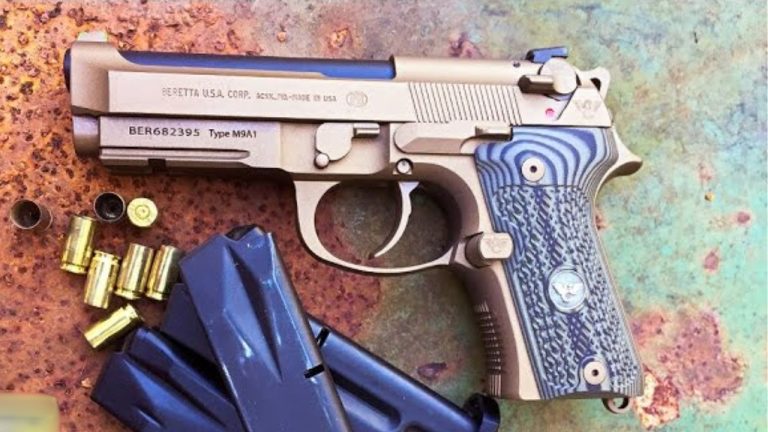
New carriers often start by chasing features, capacity and aesthetics, only to realize later that reliability and fit matter far more than specifications on paper. After a year of daily carry, many people quietly retire pistols that once seemed ideal because they prove too heavy, too finicky or too hard to conceal in real clothing. In renewal classes, instructors routinely see Less Than Good, including Old Firearms that were once considered perfectly viable but have been outpaced by modern designs with better ergonomics and reliability. That shift reflects a hard lesson: a defensive pistol is life safety equipment, not a hobby object, and it has to run under stress with the ammunition the owner actually carries.
Over time, I see experienced carriers gravitate toward a smaller stable of proven guns that they know inside and out. One long time carrier described a personal evolution into what he called Phase II Concealed, a stage that began once he stopped working full time on base and started carrying much more. At that point, he transitioned immediately to a handgun that he has now carried for about a decade, prioritizing a platform that disappears under clothing and runs without drama. The first year tends to push people in the same direction, away from novelty and toward a single, boringly dependable tool.
Reconsidering which gun you carry, and how often you change it
Another common shift after the first year is a more disciplined approach to swapping carry guns. Early on, it is tempting to rotate through several pistols depending on mood, but experienced carriers often decide that constant change introduces unnecessary variables in grip, trigger and sight picture. In one community discussion, a carrier explained that he had used several guns over the years and that this experimentation taught him what did and did not work, but once he started serious training he bought a Glock and largely stuck with it. That kind of consolidation is typical once someone has drawn from concealment thousands of times and understands how much consistency matters.
There are still carriers who intentionally rotate, but even they tend to do it with more structure after some experience. One contributor described a pattern where, For the past year it seemed that at the beginning of each month he would change his carry gun, switching between the Hellcat and another pistol. Even in that case, the rotation is limited to a couple of similar platforms rather than a random assortment. After a year of real world carry, most people have learned that their draw stroke, reloads and malfunction clears are smoother when their hands always find the same controls in the same place.
Holsters, belts and the quiet importance of support gear
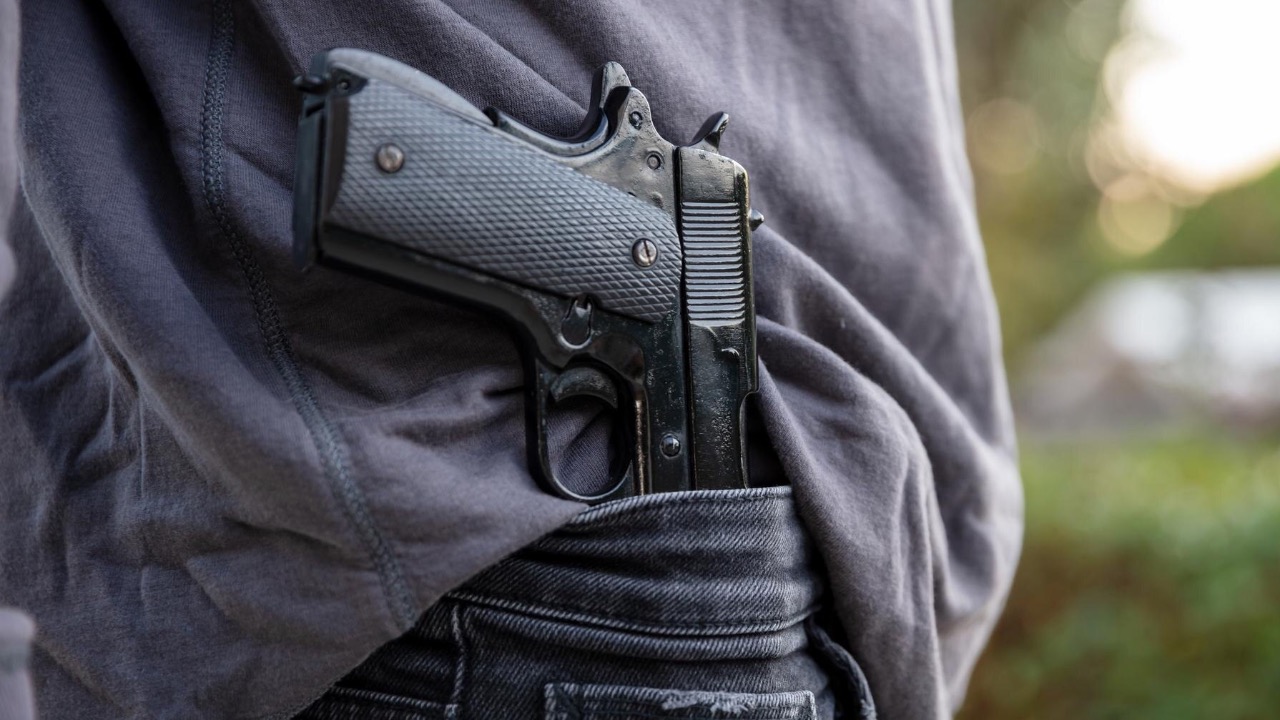
Few new carriers appreciate how much the holster and belt will dictate comfort and concealment. After a year of living with a pistol on the body, almost everyone I talk to has upgraded at least once, often more. A quality belt that does not sag under weight is a recurring theme, with experienced carriers pointing out that the type of holster and clothing play a significant part in the ability to conceal a pistol and that a sturdy gun belt is essential whether someone prefers AIW or another position. That realization usually comes only after cheap belts twist, print or fail at the worst possible time, such as when running or getting in and out of a car.
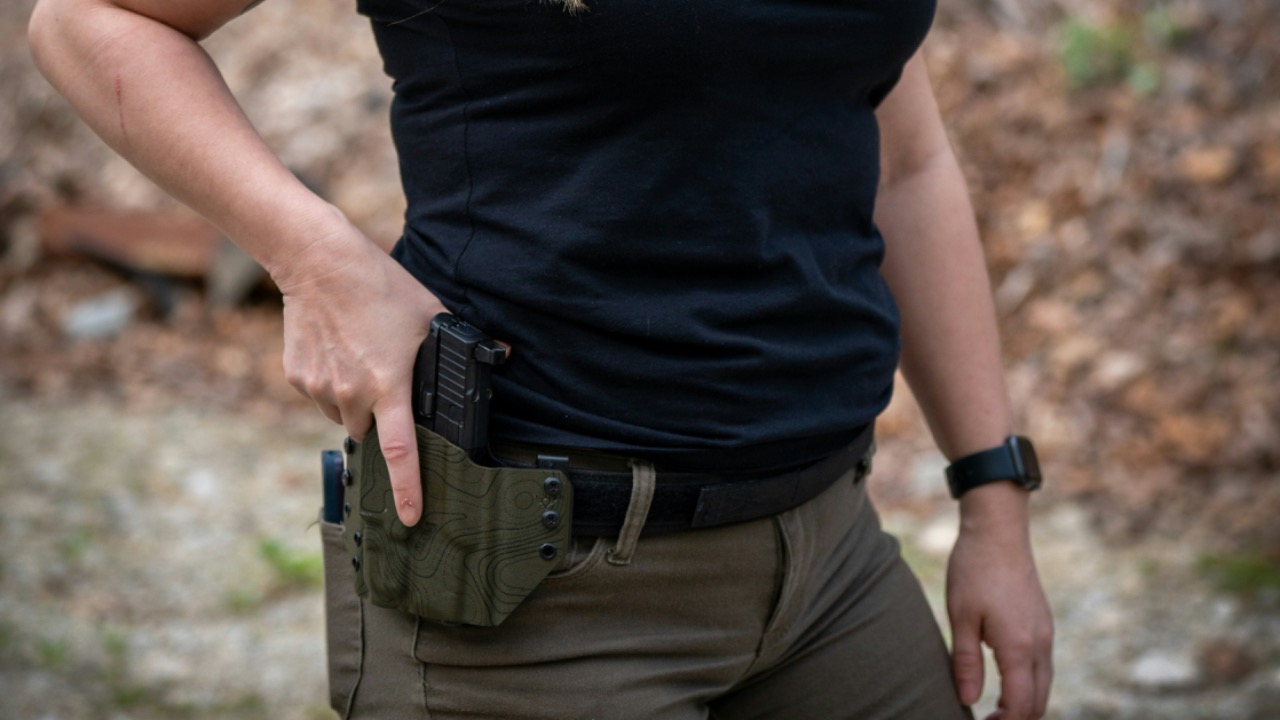
Holster style also tends to evolve. Many people start with inside the waistband options, but over time some discover that outside the waistband rigs can conceal well under the right cover garments. One manufacturer notes that Absolutely, Many of their outside the waistband holsters work under a jacket or longer shirt if the user Look for a high ride design that hugs the body. After a year of trial and error, carriers usually have a clearer sense of which combinations of belt, holster and clothing let them move naturally without constant adjustment.
Adjusting carry position and solving printing problems
Printing, the visible outline of a concealed gun through clothing, is one of the first practical frustrations that new carriers encounter. Over time, most learn that the solution is less about buying ever smaller pistols and more about refining carry position and wardrobe. Guidance on concealment often starts with the advice to Reevaluate Your Carry, since Appendix carry can work well with some body types and outfits while Others prefer a 3 or 4 o’clock position that better matches the body’s natural curves. That kind of fine tuning usually happens only after someone has spent months noticing where the gun digs in when sitting or how it shows under a particular shirt.
Real world anecdotes show how small adjustments can transform comfort and concealment. One carrier on a Sep thread explained that he had carried appendix for some time and found it really uncomfortable until he learned a simple adjustment that changed how the holster rode against his body. After that change, he reported that he could now carry almost 24/7 without the constant urge to take the gun off. By the end of a first year, many carriers have gone through a similar process of experimenting with ride height, cant and clothing choices until the pistol disappears both visually and mentally.
Training: from static shooting to scenario thinking
Perhaps the most important evolution after a year of carry is in how people train. Early sessions often focus on slow fire accuracy at the range, but experienced carriers increasingly recognize that static marksmanship is only a starting point. Current CCW Training Trends for emphasize Scenario Based Defensive Training, with instructors arguing that Static shooting is no longer enough. That shift reflects a broader understanding that real defensive encounters involve movement, decision making, low light and the presence of bystanders, none of which can be practiced by simply punching holes in paper from a fixed lane.
As people internalize that reality, they start to build more structured practice into their lives. Dry fire becomes a regular habit, with Home training used to complement range sessions by focusing on draw stroke, presentation and reloads without live ammunition. Renewal classes reinforce this mindset by highlighting how quickly skills degrade when people rely on a single permit class and occasional casual shooting. By the end of a first year, the carriers who stick with it tend to view training as an ongoing responsibility rather than a box to check.
Mindset: from excitement to avoidance and restraint
The psychological shift over the first year is often as dramatic as the gear changes. Many new carriers start with a heightened sense of alertness that can border on anxiety, but with time and repetition the presence of the gun becomes more routine. That familiarity, combined with exposure to real world stories, usually leads to a deeper appreciation of what a defensive shooting would actually entail. One young carrier, reflecting on years of daily carry, put it bluntly: he did not want to be in an armed conflict, so he actively avoided confrontation, a sentiment he shared in a Feb discussion that was later Edited as he continued to refine his thoughts.
That kind of restraint is a hallmark of maturity in the concealed carry world. After a year of carrying, people have usually had at least a few tense moments in parking lots, traffic or bars where they chose to walk away rather than escalate. They also tend to think more carefully about legal aftermath, family impact and the possibility of mistaken identity. Conversations in carry communities increasingly emphasize de escalation, verbal skills and avoidance as primary tools, with the firearm reserved as a last resort. The longer someone carries, the more they tend to see themselves not as armed enforcers but as ordinary citizens who happen to have one more option if everything else fails.
Dress, lifestyle and the reality of daily carry
Living with a concealed pistol for a full year forces people to reconcile their wardrobe and lifestyle with their desire to be armed. Early on, many underestimate how often they will leave the gun at home because it does not work with a particular outfit or activity. Over time, experienced carriers quietly adjust their clothing choices, favoring slightly looser shirts, sturdier belts and cover garments that allow them to move freely without exposing the gun. Some even choose specific jackets or button downs that pair well with Hip holsters, whether IWB or OWB, that are Fixated around the waist belt with loops or hooks for secure attachment.
At the same time, people learn to balance carry with comfort and social life. The carrier who found appendix carry miserable at first but later discovered a more comfortable setup described how that change allowed him to carry almost constantly without feeling burdened, a story he shared in an Once reluctant but now enthusiastic account. Others report that they have become more selective about where they go and when, choosing better lit parking areas or avoiding venues where weapons are prohibited and tempers run hot. After a year, the gun is no longer an accessory that can be added or removed without thought; it is a factor in daily planning.
Specialized setups for specific roles and events
With experience, some carriers start to tailor their equipment to specific roles rather than trying to make one gun and holster do everything. A common pattern is to maintain a primary everyday carry pistol and a separate setup for formal events or deep concealment. One writer described commissioning a custom Colt Series 70 1911 specifically for formal events, planning to carry it with coats and layers concealing it. That kind of dedicated setup reflects a more nuanced understanding of how different environments change concealment and access needs.
At the same time, experienced carriers are cautious about proliferating too many different platforms. The same voices that advocate for a dress gun or a backup often stress the importance of keeping controls and manual of arms as consistent as possible. In discussions about how often to change everyday carry guns, some participants note that they have carried several models over the years and that this experimentation taught them what did and did not work, but once they settled on a reliable option they minimized further changes, a point repeated in a separate When they revisited the topic. After a year, the trend is toward a small number of well practiced configurations rather than a closet full of rarely carried pistols.
Looking back after year one: what really sticks
By the time someone has carried for a full year, the novelty has worn off and what remains are the habits that actually work. Many carriers who reflect on their journey describe a clear before and after, similar to the shift into Phase II Concealed that one writer experienced once he began to carry much more. At that point, he transitioned immediately to a single handgun that he has relied on for about a decade, a decision rooted in thousands of hours of real world carry rather than speculation. Others echo that arc in more informal settings, noting that their early fascination with gear gave way to a quieter focus on consistency, comfort and avoidance of trouble.

Asher was raised in the woods and on the water, and it shows. He’s logged more hours behind a rifle and under a heavy pack than most men twice his age.