What Happens to a Pistol’s Reliability After Aftermarket Modifications
A pistol leaves the factory tuned for general reliability under standard testing conditions. Once you start changing parts, you step into territory where small mistakes can stack up. Aftermarket work can improve comfort, control, or accuracy, but it can also introduce variables the manufacturer never accounted for. Even experienced shooters sometimes forget that firearms are mechanical systems that depend on precise timing, spring tension, and surface interaction.
Modifications aren’t automatically bad. The problem shows up when parts are swapped without understanding how cycling forces, feed angles, or striker energy interact. The following sections look at how reliability can quietly change after common upgrades.
Trigger Spring Lightening

Lightening trigger springs is one of the most common modifications shooters try first. A lighter pull feels better and can improve shooting confidence during slow, deliberate fire. However, reducing spring tension also reduces the energy available to reliably ignite primers.
If the spring becomes too weak, you may notice occasional light strikes, especially with harder primer types or certain defensive ammunition. Reliability problems often appear randomly, which is frustrating. The pistol may fire dozens of rounds perfectly and then suddenly fail. Many shooters later reinstall factory springs after experiencing unpredictable ignition performance in critical moments.
Polished Feed Ramps
Polishing a feed ramp is usually marketed as a way to improve smooth feeding. In practice, improper polishing can actually alter geometry. The feed ramp angle is carefully designed to guide cartridges into the chamber. Removing too much material can change bullet contact behavior.
Over-polishing may also remove protective surface treatments, increasing wear or friction over time. While a light polish performed correctly can help, aggressive polishing by inexperienced hands can create feeding inconsistencies. Reliability issues often show up with specific bullet shapes rather than all ammunition types. The difference between helpful smoothing and harmful alteration is surprisingly small.
Aftermarket Magazine Use
Magazines are one of the biggest reliability factors in semi-automatic pistols. Aftermarket magazines sometimes use weaker springs, less precise feed lip shaping, or cheaper follower materials. Even if the pistol itself is unchanged, magazine quality can change everything.
Some shooters report perfect function with factory magazines but experience failures to feed or lockback problems with third-party options. Defensive use becomes questionable when magazine reliability is uncertain. Experienced shooters often test new magazines extensively before trusting them for carry or home defense. A pistol is only as reliable as the magazine feeding it.
Slide Lightening or Porting
Slide lightening is sometimes done to reduce felt recoil or increase cycling speed. Removing slide mass changes how the pistol absorbs and redirects recoil forces. While rapid-fire performance may improve slightly, reliability margins shrink.
If ammunition pressure is inconsistent, a lighter slide may cycle too fast or fail to fully chamber rounds. Dirt, fouling, and temperature effects become more noticeable. Many competition shooters experiment with this modification, but defensive shooters often avoid it. Factory slide mass is chosen partly to ensure reliable function across different conditions, not maximum speed alone.
Barrel Replacement Quality
Replacing a factory barrel with an aftermarket one can improve accuracy, but manufacturing tolerances matter. Some replacement barrels are cut tighter for precision shooting, which can reduce reliability with dirty or underpowered ammunition.
Chamber dimensions, locking geometry, and feed ramp integration must match the pistol design. Even high-quality barrels can introduce cycling sensitivity if fitment is slightly off. Shooters sometimes discover that their pistol becomes more accurate but less forgiving when maintenance is delayed. Reliability and precision don’t always improve together, and choosing the wrong barrel can shift priorities unintentionally.
Recoil Spring Changes
Changing recoil springs is common when shooters try to tune recoil feel or compensate for hotter loads. The recoil spring controls slide velocity and return timing. If the spring is too stiff, cycling may slow down. If too weak, the slide may slam rearward or fail to strip the next round properly.
Factory spring weights are chosen to balance multiple ammunition types. Deviating too far from manufacturer recommendations can make a pistol picky about ammo. Many experienced shooters keep original recoil springs after testing upgrades and finding little reliability improvement from changes.
Custom Grip Texturing
Custom grip texturing improves control but sometimes introduces unexpected effects. Aggressive stippling or aftermarket grip panels can change how the pistol interacts with holsters and clothing. Rough surfaces may accelerate wear on gear or create discomfort during extended carry.
Some shooters also overdo texturing, making it harder to reposition the pistol during shooting. While grip traction improves handling, excessive modification can reduce practical comfort. Reliability doesn’t always mean internal function alone; handling consistency matters when drawing, aiming, or firing multiple shots under stress.
Optics and Mounting Hardware
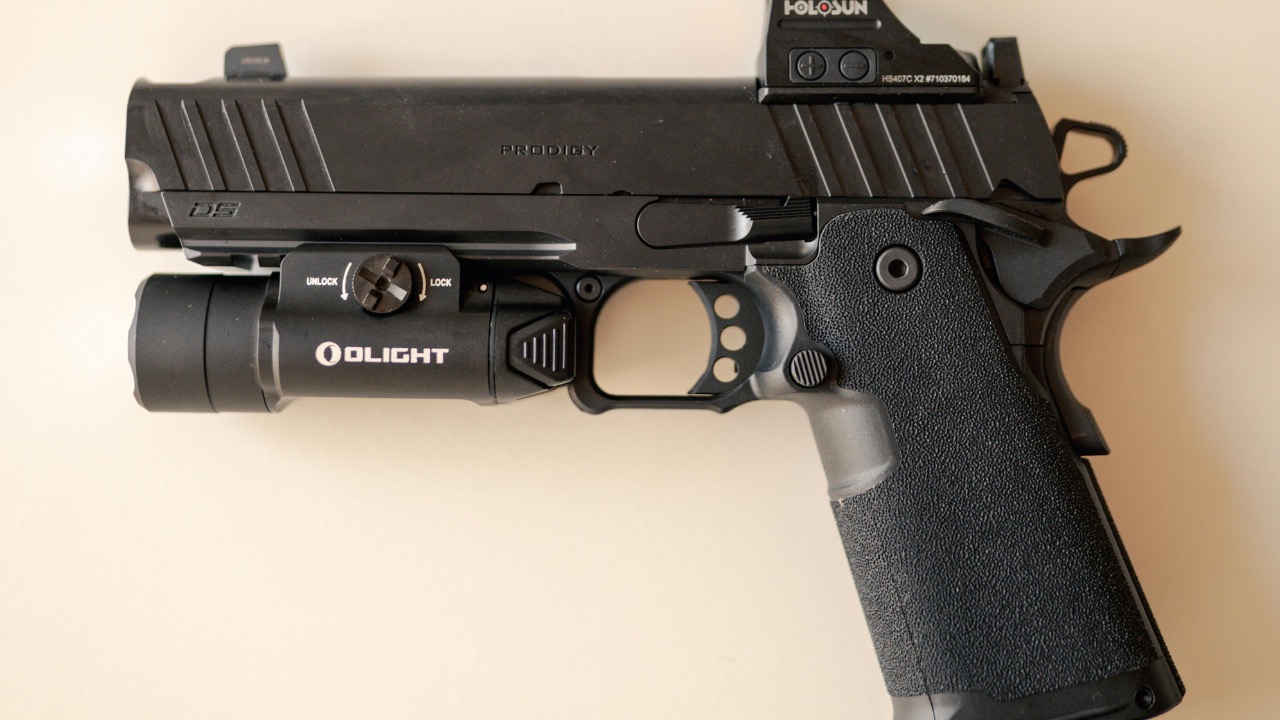
Adding optics introduces mounting screws, plates, and structural stress points. Poor mounting can cause zero shift, vibration looseness, or slide cycling interference. The slide moves violently during firing, and improperly secured hardware will eventually loosen.
Low-quality mounting plates are a common hidden failure point. Shooters sometimes blame ammunition or the pistol itself when the real problem is mounting instability. Regular torque checks and thread locking compounds are often necessary. Optical upgrades improve aiming speed but add mechanical complexity that must be maintained to preserve reliability over time.

Asher was raised in the woods and on the water, and it shows. He’s logged more hours behind a rifle and under a heavy pack than most men twice his age.