What Longtime Hunters Are Admitting Now
Across deer stands, duck blinds and mountain trailheads, a quiet shift is underway. Hunters who once spoke only about big racks and full freezers are now talking just as openly about grief, burnout, technology and even whether the animals they chase should be hunted at all. What longtime hunters are admitting now is less about trophies and more about the costs, limits and changing meaning of a life spent in the field.
In conversations from Pennsylvania to Colorado and even along the shores of Loch Ness, veteran outdoorsmen and women are reassessing everything from Sunday hunting rules to the myths that first drew them outside. Their candor is reshaping how I understand the culture, exposing a community that is far more conflicted, self critical and vulnerable than its rugged image suggests.
Nostalgia, sound, and the pull of tradition
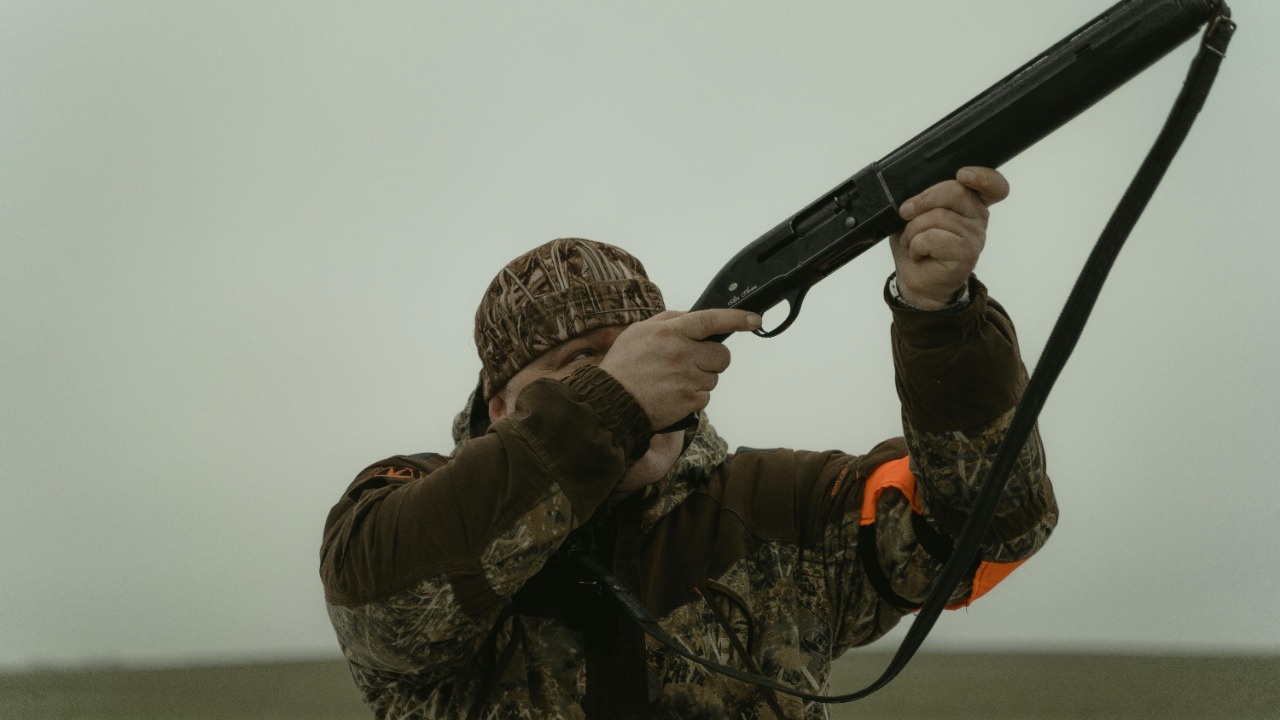
Ask seasoned deer hunters what they miss most and many will not start with antlers, they will talk about a sound. In one widely shared exchange, longtime hunter Rick Kruisenga is reminded not to let the internet dictate his mood, yet the very thread revolves around a noise that “all deer hunters can admit they miss,” the small sensory details that mark a season and a life. That kind of nostalgia is not just sentimentality, it is an admission that for many veterans, the emotional core of hunting lies in fleeting experiences that are increasingly drowned out by online arguments and metrics.
State agencies still lean heavily on that emotional pull when they describe the experience they are selling. Official Pennsylvania regulations invite hunters to picture themselves “sitting in a hemlock hollow on a cold November morning” or “walking ridge tops in search of squirrels,” framing the sport as a way to inhabit the wild country that defines the Keystone State rather than a numbers game about harvest totals, a vision laid out in the line that begins with Whether. When I listen to older hunters talk, I hear them conceding that this is what they are chasing now, the memory of how it felt to be out there before social feeds and GPS pins, even as they keep returning with a tag in their pocket.
Sunday hunting fights and the end of the “good old days”
Nowhere are those tensions more visible than in Pennsylvania’s bitter fights over Sunday hunting. In one Facebook group, a commenter opens with “Maybe they will stir up the deer,” before another, Roy Raida, pointedly asks who paid for the state game lands that everyone is arguing over. Buried in the insults and nostalgia about “the good old days” is a frank admission from older hunters that the schedule and social contract they grew up with, a near sacred Sunday pause, is being rewritten by people who work Monday through Friday and cannot afford to lose a weekend day.
That shift is not theoretical. In a separate debate over season structure, veteran member Steve Angle spells out what it means when “hunters are provided 3 additional days to buck rifle hunt (Saturday and 2 Sundays), from 12 to 15 days to hunt,” a change he frames in a post that begins with “Much Taken Away….” The Pennsylvania Game Commission has since approved 13 consecutive Sundays for hunting in the fall, a decision even supporters describe as “a long time coming.” When I talk to older hunters, many now concede that clinging to a six day week risks losing younger participants entirely, even if it means surrendering a tradition they once swore would never change.
Admitting the safety risks that always lurked in the background
For decades, seasoned hunters tended to wave off safety talk with a shrug and a story about how they learned the hard way. That posture is harder to maintain after tragedies like the deaths of two elk hunters in Colorado, where, According to a GoFundMe page, severe storms moved through the area on a Thursday evening and “we suspect the two young men were caught off guard by the weather.” That phrase, “caught off guard,” is exactly what older hunters are now warning against, admitting that experience is no shield when the mountains turn violent and that they themselves have pushed luck too far in similar conditions.
Further reporting on the same case, under the banner New Details Revealed tragedy, emphasizes that the victims were “25 Year Old Experienced Hunters Who Were Found Dead” in Southern Colorado, a description that undercuts the old belief that skill alone keeps you safe. Writer Bailey Richards notes their experience explicitly, and in conversations I hear older hunters acknowledging that they too have underestimated storms, distances and fatigue. The new honesty is less about fear and more about finally saying out loud that every trip into the backcountry is a calculated risk, even for those who have been doing it their whole lives.
Loch Ness, cryptids and the end of believing your own legend
Some of the most striking confessions are coming from hunters who never carried a rifle at all, the people who spent their lives chasing monsters. A Longtime Loch Ness monster hunter recently turned skeptic, offering a down to earth explanation for sightings that challenges a century of lore. Reporter Alex Oliveira notes that this veteran spent years on the water before concluding that waves, logs and human imagination, not a prehistoric beast, explain most encounters. It is a rare public moment when a professional searcher admits that the quarry that defined his identity probably never existed in the first place.
On social media, that reckoning is even more personal. In one clip, viewers are told “He’s come to a conclusion” and that “After 52 years of searching, veteran Loch Ness Monster expert Adrian Shine now says he no longer believes in a mysterious creature, instead pointing to natural effects.” Another creator, promoting a Spooky Science Series, calls Shine “the one person who would definitely have the answer” after “50+ years researching Loch Ness and what lies within.” When a man who spent half a century hunting the Loch Ness Monster publicly walks away from the myth, it mirrors what I hear from older big game hunters who now admit that some of the stories they told around campfires were more fantasy than fact.
From TV fame to hospital gowns: health realities in the spotlight
Television has long glamorized the hunter as an indestructible archetype, but even the genre’s biggest stars are now talking about their limits. Fans of Swamp People know that Troy Landry has been a staple since Season 1, portrayed as the unflappable “King of the Swamp.” Yet recent coverage notes that, since those early days, he has faced legal troubles, health scares and the death of people close to him, a reminder that even the most iconic alligator hunter cannot outmuscle time and loss.
In a separate profile that asks “What illness did Troy Landry have,” readers learn that “In June 2022, Landry revealed that he was diagnosed with prostate cancer” and that he underwent surgery to remove his prostate. Another account notes that “In June 2022, Landry revealed” the same diagnosis and that “Surgery went good” according to his own Facebook post. When a man whose livelihood depends on projecting toughness invites fans into his hospital room, it gives other aging hunters permission to admit that their knees hurt, their eyesight is fading and that they are quietly weighing how many more seasons they have left.
Technology, apps and the uneasy embrace of modern tools
Another confession I hear often from longtime hunters is that they are both grateful for and uneasy about the digital tools that now shape their seasons. A detailed industry explainer on Impact of Technology on the Hunting Community The notes that modern gear, from rangefinding binoculars to GPS decoys, has significantly changed how people scout and shoot. Many older hunters now admit that they once dismissed such gadgets as gimmicks, only to find themselves relying on them for safety, navigation and even basic success as animal behavior shifts and access patterns change.
Digital mapping has arguably transformed the culture even more. One guide to using a hunting land app explains that Traditional scouting has evolved with digital tools, but at its heart still serves the same function, to find the best places to hunt. When I talk to older hunters, they increasingly concede that apps like HuntWise or onX have opened up land they never would have risked accessing with a paper map, while also eroding the secrecy and solitude they once prized. The new honesty lies in admitting that they cannot, and perhaps should not, turn the clock back, even as they worry that the barrier to entry has shifted from woodsmanship to subscription fees.
Ethics, criticism and the charge that “recreational” hunting is a myth
Outside the community, critics are pressing hunters to confront uncomfortable questions about why they are in the field at all. A detailed Swiss based critique argues that Recreational hunting “pretends to be something it is not,” insisting that what many call a centuries old craft or culture is, in practice, a modern leisure activity with significant animal welfare and ecological costs. Longtime hunters I speak with increasingly acknowledge that this critique cannot be brushed off with a joke about “tree huggers,” especially in places where meat from a hunt is no longer a family’s primary protein source.
Inside the community, the language is softer but the reckoning is similar. In a Pennsylvania debate over season timing, one advocacy post begins with “Our motive is clear” and argues that shifting openers has already proven effective in retaining hunters, especially those who “started deer hunting with a Monday opener.” The same thread bluntly states “Just look around” at the aging demographic in camp. When veterans admit that recruitment, not heritage, is driving some policy choices, they are also conceding that the moral case for hunting now rests as much on managing populations and funding conservation as on any romantic notion of tradition.
Access, Sundays and the politics of who gets to hunt
Behind the Sunday battles sits a more basic admission about access and power. A legislative transcript from Pennsylvania notes that Many hunters fear Sunday hunting may prompt the closure of private lands, where “80 percent” of hunting occurs in the state, while Sunday restrictions are defended by others as a necessary respite. Other testimony warns that pushing too hard could result in “a loss of support for hunting” among landowners. When older hunters tell me they are “not OK” with losing Monday openers or Sunday bans, they are also acknowledging that their own access has always depended on the goodwill of people who do not hunt at all.
At the same time, agencies and advocates are trying to make the most of the days they do have. A Texas based safety campaign notes that with hunting season fully underway and thousands of Texans heading into the field for deer, duck and other game, officials are pushing hard on safety warnings and tip lines. In Pennsylvania, the expansion to Sunday opportunities is framed as a way to match modern work schedules. Longtime hunters are increasingly candid that without such changes, the next generation will simply stay home, and the political clout that once protected their seasons will evaporate.
Content creators, community pressure and the new public face of hunting
In the age of YouTube and Instagram, some of the most revealing admissions are coming from hunters who also live online. In one video about “hunting news,” a creator describes himself as a hunter and content creator “nowhere near what Ryan Lampers is,” adding that he has met Ryan a couple of times. That kind of comparison, casual on its face, is also an admission that the hierarchy of respect in hunting now runs partly through subscriber counts and sponsorships, not just through who quietly tags out every year.

Leo’s been tracking game and tuning gear since he could stand upright. He’s sharp, driven, and knows how to keep things running when conditions turn.