What Makes a Firearm Worth Keeping for the Long Haul
Firearms that endure over decades share certain traits that go beyond initial impressions or marketing claims. Experienced owners and gunsmiths point to a combination of engineering choices, real-world performance, and practical upkeep that determine whether a piece stays in regular rotation or ends up stored away. These factors matter for hunters, recreational shooters, and anyone who values tools built to last through changing conditions and heavy use.
Reliability Under Repeated Stress
Firearms designed with tight tolerances and strong lockup systems tend to cycle consistently even after thousands of rounds. Models from established manufacturers often incorporate features like robust extractors and reliable feeding mechanisms that minimize stoppages in dusty fields or cold weather. This consistency builds confidence during extended hunts or range sessions where malfunctions could create real problems.
Shooters who maintain detailed logs frequently notice that these guns hold up without frequent part replacements. Over time, the absence of major breakdowns translates into lower costs and fewer frustrations, making the firearm a steady companion rather than a source of ongoing repairs.
Materials That Resist Wear
High-quality steels, properly treated aluminum alloys, and durable polymer frames contribute to longevity by fighting corrosion and abrasion. Barrels made from chrome-lined or stainless constructions handle heat and fouling better across seasons of hard use. Stocks and grips that maintain their shape and texture provide consistent handling year after year.
These material selections show their value when firearms face moisture, temperature swings, or rough transport. Owners report that well-chosen components require less frequent refinishing or replacement, preserving both function and appearance through decades of ownership.
Straightforward Maintenance Routines
Guns that disassemble easily with common tools allow owners to perform thorough cleanings without specialized equipment. Designs featuring accessible recoil springs, removable barrels, and clear maintenance points encourage regular care rather than neglect. This accessibility helps prevent issues like carbon buildup or spring fatigue before they become serious.
Many long-term users emphasize that simple maintenance schedules keep these firearms performing at high levels. The ability to inspect and service critical parts at home reduces downtime and dependency on professional gunsmiths, extending service life significantly.
Adaptability Across Purposes
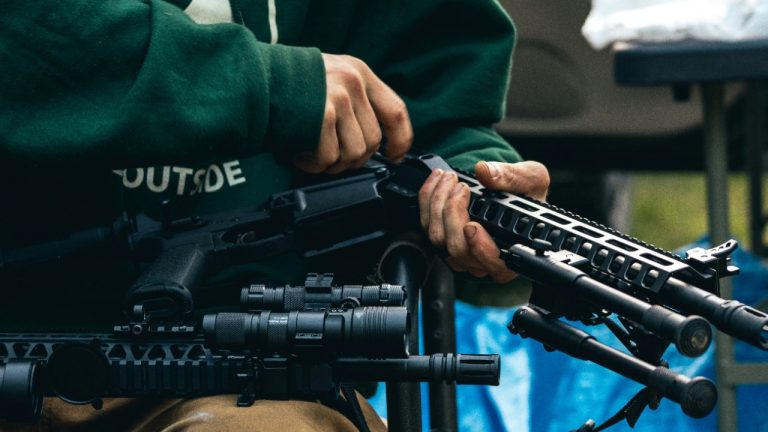
Certain platforms accept a wide range of accessories and caliber conversions while maintaining core reliability. This flexibility lets owners adjust setups for different game, distances, or shooting disciplines without needing entirely new firearms. Modular designs that support optics, lights, and furniture changes extend usefulness as needs evolve.
Shooters often keep these adaptable models because they serve multiple roles effectively over time. A single well-chosen firearm can handle everything from small game to larger threats, reducing the need for multiple specialized pieces in a collection.
Accuracy That Holds Steady
Barrels with consistent rifling and well-fitted actions deliver repeatable groups across thousands of rounds when properly cared for. Quality triggers and bedding techniques help maintain point of impact stability through recoil and environmental changes. These characteristics matter for ethical harvests and confident shot placement at varying ranges.
Long-term owners track data showing that such firearms retain their mechanical accuracy longer than lesser-built alternatives. Regular cleaning and occasional checks keep performance predictable, reinforcing the decision to hold onto them rather than trade or sell.
Availability of Parts and Support
Platforms backed by strong manufacturer networks and aftermarket ecosystems ensure that replacement parts remain accessible years down the line. Common calibers paired with these designs benefit from widespread ammunition and component supplies. This support infrastructure becomes increasingly important as firearms age and require occasional service.
Owners in remote areas or those planning multi-decade use particularly value this ecosystem. The knowledge that a broken part can be replaced quickly and affordably often tips the scale toward keeping a proven model in active service.

Asher was raised in the woods and on the water, and it shows. He’s logged more hours behind a rifle and under a heavy pack than most men twice his age.