Iran Preps ‘Blackout’ Attack on $10 Trillion Undersea Cables as Trump Threatens Total Strike
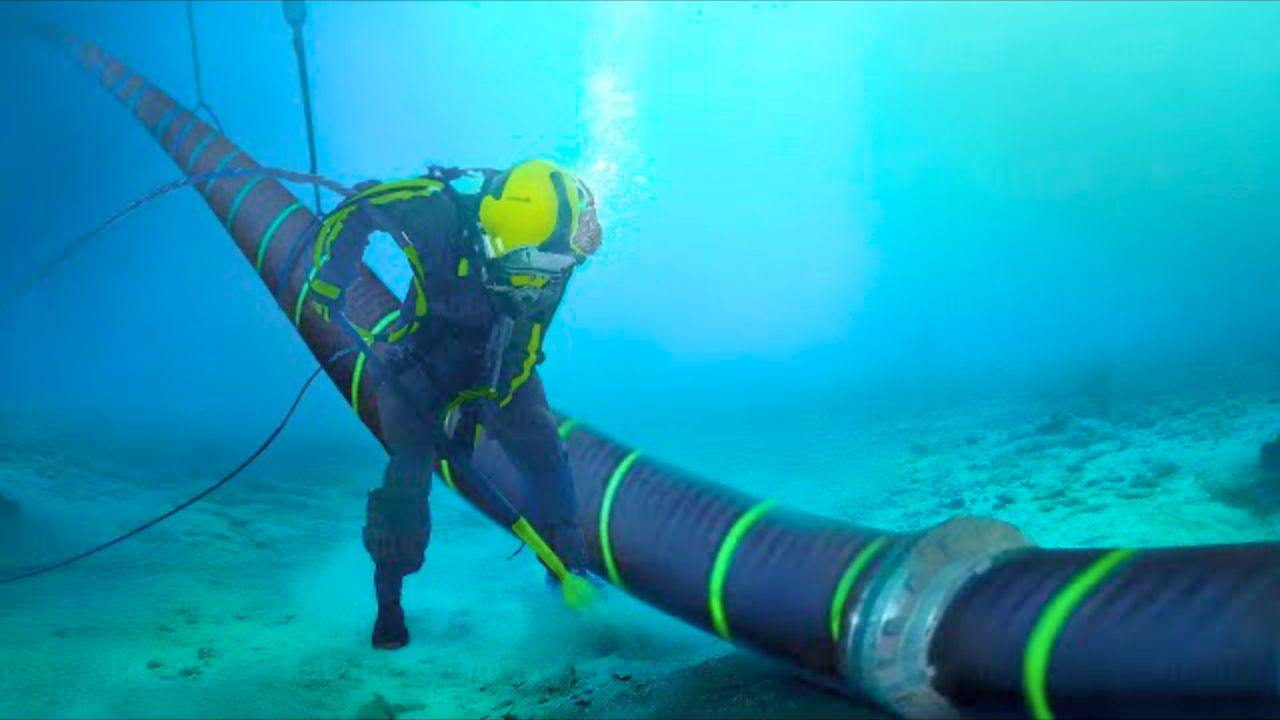
New reports tied to Iranian state-linked media have raised concerns about possible threats against undersea internet cables near the Strait of Hormuz. These cables carry huge amounts of global internet traffic and financial data every day, which is why the situation is getting so much attention internationally.
The reports surfaced as tensions between Iran and the United States continue to rise over military activity and trade routes in the region. At the same time, former President Donald Trump has continued using aggressive rhetoric toward Iran, including threats aimed at major infrastructure if the conflict escalates further.
Why undersea cables matter so much
Most people never think about undersea cables, but they’re responsible for carrying a massive amount of the world’s internet traffic. Banking systems, cloud services, communications, and international business operations all rely on these networks running beneath oceans and narrow waterways.
The Strait of Hormuz is especially important because it sits between major regions connected through digital and energy infrastructure. Even the suggestion of interference with those cables can trigger concern in global markets, since disruptions could affect everything from financial transactions to internet speeds across multiple countries.
What the Iranian-linked reports claimed
Recent articles connected to media outlets associated with Iran’s Revolutionary Guard discussed the idea of controlling or taxing data traffic flowing through undersea cables in the region. Some reports also hinted at the possibility of disrupting those systems as leverage during growing geopolitical tensions.
There’s still a major difference between rhetoric and actual capability, and no confirmed attack has occurred. Still, the comments drew attention because even limited disruption to critical digital infrastructure could have widespread economic consequences beyond the Middle East.
Trump’s threats add to the pressure
At the same time, Trump has continued escalating his public warnings toward Iran. Recent statements included threats targeting Iranian infrastructure if shipping routes or regional stability are threatened further.
That exchange of threats has contributed to fears that both sides are moving toward a more dangerous standoff. Military activity in and around the Strait of Hormuz has already increased in recent months, with reports of ship seizures, naval confrontations, and renewed pressure on energy routes.
Why experts worry about escalation
Analysts often point out that modern conflicts no longer focus only on traditional military targets. Infrastructure tied to communications, energy, shipping, and digital systems has become increasingly important in geopolitical disputes.
That’s part of why undersea cable discussions are being taken seriously, even if no direct action happens. A disruption to digital infrastructure could create economic shockwaves far outside the conflict zone, especially in financial markets and global communications systems.
What happens next
Right now, most of the tension remains at the level of threats and strategic messaging rather than direct action. Still, the language coming from both sides has become more aggressive, and that increases the risk of miscalculation.
For now, governments and companies are watching closely to see whether diplomacy lowers tensions or whether the conflict continues expanding into new areas like shipping, energy, and digital infrastructure.

Leo’s been tracking game and tuning gear since he could stand upright. He’s sharp, driven, and knows how to keep things running when conditions turn.