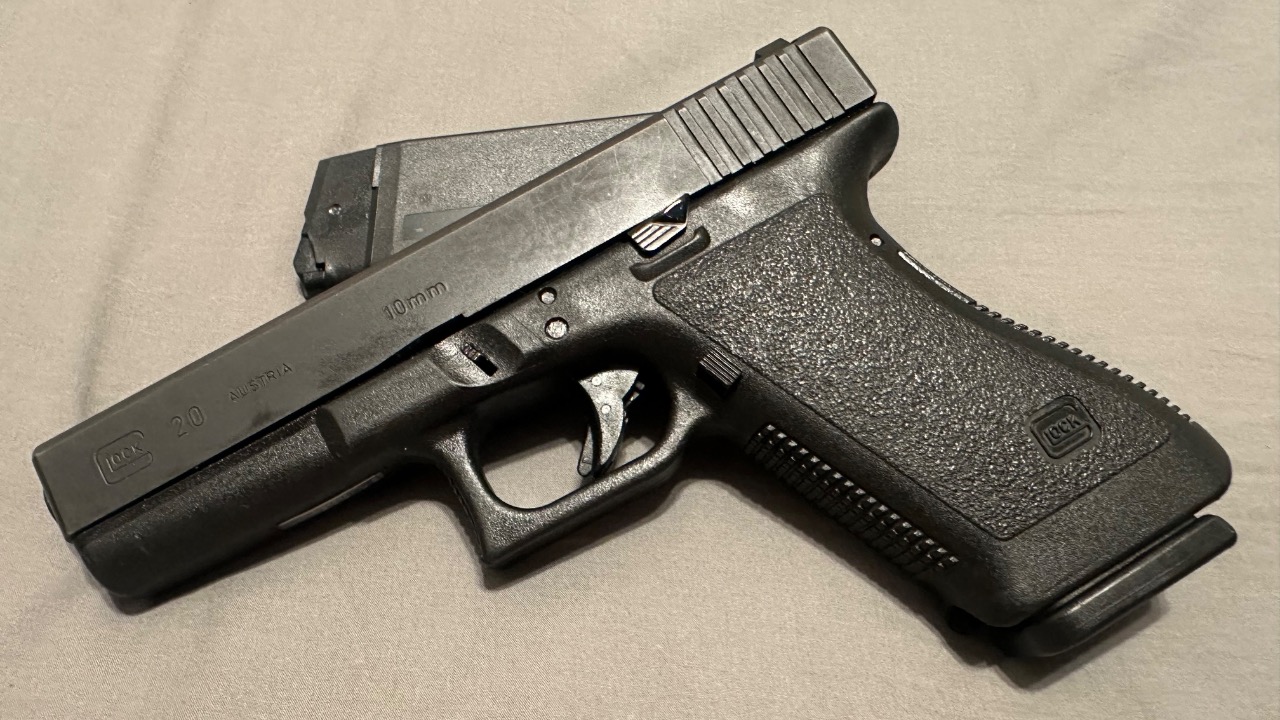
What Makes Shooters Stick With the Same Firearm for Years
Across competitive ranges, hunting blinds, and informal gravel pits, a striking pattern repeats: many shooters keep returning to the same rifle, shotgun, or handgun year after year. Even as new models promise better ergonomics or smarter optics, a large share of enthusiasts stay loyal to a familiar firearm that already fits their hands, habits, and expectations. That loyalty is not just nostalgia; it reflects a complex mix of performance, training investment, and emotional connection that can outweigh the appeal of the latest upgrade.
What happened
Firearm ownership in the United States has grown more visible and more politicized, yet on the individual level the story is often quieter and more personal. A hunter might show up every fall with the same bolt-action rifle that has taken dozens of deer. A competitive shooter may run the same 9 mm pistol through thousands of rounds, replacing springs and sights but never the core platform. Even among newer owners, many settle on a primary firearm and then build their skills and accessories around that one choice.
Equipment choices around that core gun tend to reinforce the bond. A shooter who invests in a high quality rest, such as the adjustable front and rear supports reviewed in modern shooting rests, can tune a single rifle for consistent precision. Once that combination of firearm, optic, and support system is dialed in, the incentive to restart the process with a new platform drops sharply. The same pattern appears with holsters molded to a specific handgun frame, custom stocks fitted to a shooter’s length of pull, or suppressors threaded to a particular barrel.
Meanwhile, public debate around firearms has intensified. Coverage of high profile incidents, such as the Minneapolis ICE shooting that prompted renewed scrutiny of enforcement tactics and political rhetoric, has pushed questions of access and responsibility into the spotlight. Against that backdrop, many long-time owners double down on familiar firearms that they know how to handle safely, rather than constantly experimenting with new guns that require fresh learning curves.
Inside shooting communities, that stability shows up in training logs and match rosters. In local USPSA or IDPA matches, competitors often appear year after year with the same primary pistol, even as they swap optics or magazine wells. In precision rifle leagues, shooters may re-barrel a trusted action instead of buying a new rifle, keeping the same trigger feel and stock geometry that their muscle memory already understands. The firearm becomes a stable platform while the surrounding parts evolve.
Why it matters
Sticking with one firearm for years has direct consequences for safety, accuracy, and public perception. Repetition on a single platform builds automaticity. The more a shooter loads, clears, and fires the same model, the more instinctive safe handling becomes. Under stress, that familiarity can reduce fumbling and negligent discharges. For defensive carry, knowing exactly how a chosen handgun draws from the holster, how its safety operates, and how it recoils can matter more than marginal improvements in capacity or ergonomics from a newer design.
Consistency also supports better marksmanship. A rifle that has been zeroed, tested with specific ammunition, and logged under different weather conditions becomes a known quantity. Shooters learn how a particular barrel prints at 100 yards, how wind pushes bullets at 400 yards, and how point of impact shifts with temperature. That knowledge accumulates over seasons. Replacing the firearm resets much of that data, which can be costly for hunters who get only a few critical shots each year or for competitors who travel long distances for matches.
Economics reinforce the choice. Firearms are durable goods, and many modern designs can run tens of thousands of rounds with basic maintenance. Owners who have already bought magazines, spare parts, optics, and training courses around one platform face a high switching cost if they move to something different. A shooter who has built a cache of .223 Remington or 9 mm Luger tailored to a specific gun’s preferences may see little reason to chase a new caliber trend. Instead, they upgrade triggers, stocks, or optics while keeping the original receiver or frame.
There is also a psychological dimension. For many hunters, a first successful deer or elk with a particular rifle creates a bond that is hard to replace. Stories accumulate around that firearm, from harsh weather hunts to family trips. In some households, a well used shotgun or .22 rifle becomes an heirloom that passes from one generation to the next, further encouraging long term use instead of frequent turnover. The gun is no longer just gear; it is part of family history.
On the policy side, long term attachment complicates efforts that focus solely on restricting specific models. When a firearm has been in a household for years and is tied to identity, training, and tradition, proposals that target that category can feel deeply personal to owners. That emotional stake can shape political responses more strongly than technical details about barrel length or magazine capacity. Understanding why people hold onto particular guns helps explain why some regulatory debates become so charged.
At the same time, the culture of continuity can support responsible norms. Instructors often encourage students to pick a primary firearm and train with it consistently, rather than chasing every new release. That advice aligns with what experienced shooters already practice. By emphasizing mastery of a known platform, they reduce the novelty factor that sometimes leads to unsafe experimentation. Range rules, safety briefings, and mentorship all work more effectively when participants are not constantly cycling through unfamiliar guns.
What to watch next
Several trends could test the habit of sticking with one firearm. Advances in optics ready pistols, modular rifle platforms, and smart accessories promise easier customization and better performance. Designs that allow users to swap calibers, barrel lengths, or grip modules on a single serialized frame blur the line between one gun and many. Shooters who adopt these systems may keep the same legal firearm for years while effectively changing its configuration from season to season.
Technology in training is another pressure point. Affordable chronographs, ballistic apps, and precision rests make it easier to extract maximum performance from a chosen firearm. As more shooters adopt tools similar to the adjustable bench supports used in load development, they can fine tune older rifles to compete with newer offerings. That could further strengthen loyalty to existing guns, since data driven tuning narrows the performance gap with fresh models.
On the other hand, regulatory changes and high profile incidents may push some owners to reconsider what they keep. If certain categories face tighter restrictions or enhanced scrutiny after events like the Minneapolis ICE shooting, owners might shift toward platforms perceived as lower risk in legal or social terms. Manufacturers already respond to these pressures by marketing firearms around hunting, sport, or home defense narratives that emphasize continuity and responsibility rather than novelty.
Market behavior will reveal whether loyalty holds. Sales data over the next few years may show whether owners continue to invest in accessories and maintenance for existing firearms or pivot toward new designs that promise easier optics mounting, lighter materials, or integrated suppressor systems. If the pattern of re-barreling and upgrading current guns remains strong, it will confirm that the core appeal lies less in the latest model and more in the familiar trigger press and stock weld that shooters already trust.
Cultural signals inside shooting sports will matter as well. If top competitors keep winning with long running platforms, their example will reinforce the idea that mastery beats novelty. Training curricula that center on a single carry gun or a dedicated match rifle will continue to push students toward deep familiarity. Conversely, if champions rapidly adopt new technology and retire older guns, that could erode the norm of long term attachment and encourage more frequent turnover.

Leo’s been tracking game and tuning gear since he could stand upright. He’s sharp, driven, and knows how to keep things running when conditions turn.