What Makes These 10 National Parks Among the Most Dangerous in the United States
You don’t have to go far off the pavement to get into trouble in a national park. Most folks picture scenic overlooks and easy trails, but the truth is these places are raw country. Weather turns fast, terrain doesn’t forgive mistakes, and wildlife doesn’t care that you’re on vacation.
Some parks rack up more incidents than others, whether it’s falls, exposure, water, or animals. It’s not about fear—it’s about knowing what you’re stepping into. If you hunt, hike, or spend time outdoors, you already understand that respect goes a long way. Here are a few parks where that lesson comes up quick.
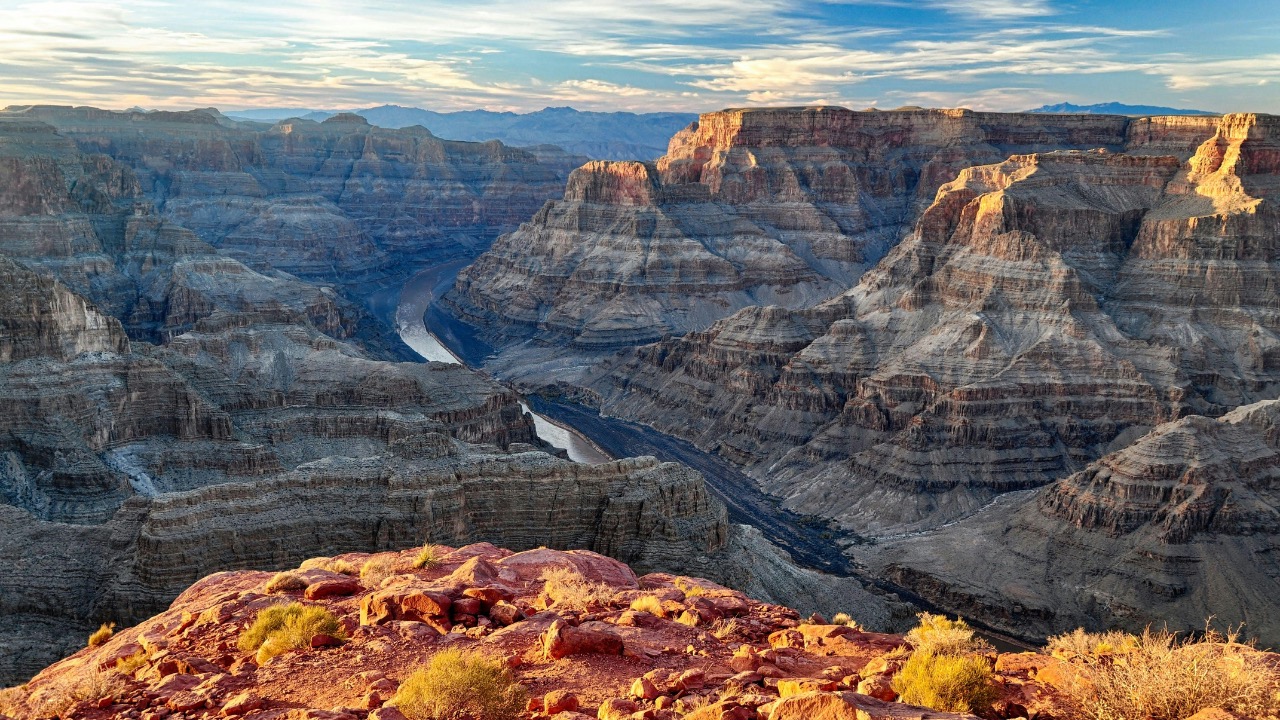
Grand Canyon National Park Pushes People Past Their Limits
You look out over the canyon and it feels manageable—until you start down. The descent is easy. The climb back out is where people get into trouble. Heat, dehydration, and poor planning stack up fast.
Every year, hikers underestimate the distance and the elevation gain on the return. Add summer temperatures that can top 100 degrees at the bottom, and you’ve got a recipe for heat exhaustion or worse. Rescues are common, and fatalities happen. If you go down, you need a plan to get back up.
Yellowstone National Park Combines Wildlife and Unstable Ground
Yellowstone looks calm until you get close to what makes it famous. Thermal features aren’t steady ground—they’re thin crust over boiling water. Step off the boardwalk, and you can break through.
Then there’s the wildlife. Bison and elk seem slow until they aren’t. People get too close for photos and pay for it. Grizzlies are part of the equation too. Most trouble comes from people ignoring distance and warning signs, not from animals going out of their way to cause problems.
Yosemite National Park Is Known for Deadly Falls
Yosemite draws climbers and hikers for a reason, but the terrain doesn’t give you much room for error. Steep granite, slick surfaces near waterfalls, and sheer drop-offs are part of the deal.
A lot of incidents happen when people leave marked trails or try to get closer to the edge for a better view. Wet rock and loose footing don’t mix. Falls account for a large share of fatalities here. It’s not complicated—you lose your footing in the wrong place, and there’s nothing to catch you.
Denali National Park and Preserve Tests Experience and Preparation
Denali isn’t a casual outing. The scale alone changes how you think about distance and safety. Weather shifts fast, and once you’re deep in, help isn’t close.
Cold, wind, and isolation all work against you. Even experienced backcountry travelers run into trouble here. Navigation matters, gear matters, and judgment matters. If something goes wrong, you’re often handling it yourself for a long stretch before anyone can reach you.
Great Smoky Mountains National Park Has High Incident Numbers
This park sees more visitors than any other in the system, and with that comes a higher number of accidents. It’s not extreme terrain, but it doesn’t have to be.
You get lost hikers, sudden weather changes, and plenty of water-related incidents. Streams can rise quickly, and slick rocks cause more problems than people expect. Black bears are part of the landscape too, though most issues come down to food and human behavior rather than aggression.
Zion National Park Mixes Heights with Flash Flood Risk
Zion puts you in tight canyons and along narrow ridgelines. Places like Angels Landing don’t leave room for mistakes, especially when it’s crowded.
Then there’s the water. Slot canyons can flood with little warning, even if the storm is miles away. People get caught because conditions look fine where they’re standing. You’ve got to think beyond what you can see and pay attention to forecasts before you step into those narrow cuts.
Glacier National Park Brings Weather and Wildlife Together
Glacier looks wide open, but it’s a tough place to move through. Weather shifts quickly, and temperatures can drop even in summer.
Grizzly and black bears are part of daily life here. Most encounters end fine, but only if you handle them right. Add steep terrain and long distances between access points, and small mistakes grow fast. You need awareness every step of the way, not after something goes wrong.
Death Valley National Park Is Heat in Its Purest Form
Death Valley doesn’t hide what it is. It’s one of the hottest places on earth, and it doesn’t take long for that heat to wear you down.
Vehicles break down, water runs low, and people push farther than they should. Once dehydration sets in, your decision-making goes with it. This is a place where preparation isn’t optional. If you cut corners, the environment takes over quickly.
Rocky Mountain National Park Catches People Off Guard with Elevation
The views come with altitude, and that’s where trouble starts for a lot of visitors. If you’re not acclimated, even moderate hikes feel harder than expected.
Weather can turn fast at higher elevations, bringing cold, wind, and storms into play. Add steep terrain and slick trails, and you’ve got a mix that leads to falls and exposure issues. It’s not the hardest country out there, but it demands respect if you’re not used to the elevation.
Olympic National Park Packs Multiple Hazards into One Place
Olympic covers coastline, rainforest, and mountains, and each comes with its own risks. You can deal with rough surf in the morning and steep, wet trails by afternoon.
River crossings, changing tides, and heavy rain all factor in. Trails get slick, visibility drops, and navigation gets harder than expected. It’s a place where conditions shift throughout the day, and you need to stay ahead of them if you want to keep things under control.
You don’t avoid these parks—you respect them. The same things that make them worth seeing are the things that can get you in trouble. If you slow down, plan ahead, and stay aware, you’ll be fine. If you don’t, these places have a way of reminding you why they demand your attention.

Asher was raised in the woods and on the water, and it shows. He’s logged more hours behind a rifle and under a heavy pack than most men twice his age.