The firearm choice that sounds smart — until it isn’t
On paper, some firearms look like perfect solutions: smart guns that promise to lock out thieves, pistol-grip-only shotguns that seem tailor-made for hallways, or massive magnum handguns that appear to end any threat with a single shot. In real homes and real emergencies, those same choices often reveal hidden flaws that matter far more than marketing claims. The smartest sounding gun can become the worst possible tool once recoil, reliability, and human stress enter the picture.
Across the gun world, instructors and experienced owners keep circling back to the same theme. The best firearm is not the flashiest or most futuristic, but the one a person can control, understand, and actually keep on hand when danger appears without warning.
Why “smart” ideas seduce new gun buyers
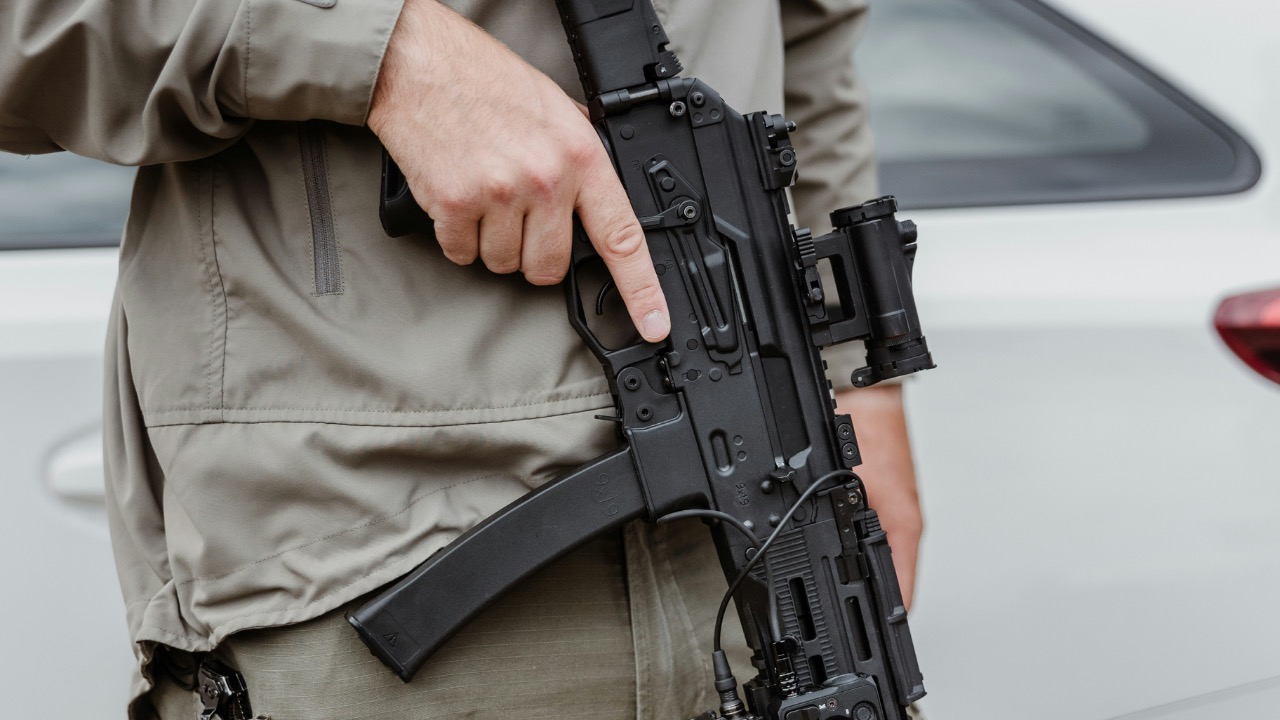
First-time buyers often walk into a gun shop with a mental picture shaped by movies, social media and advertising. They may have fired only grandpa’s 12-gauge once or twice, yet they are drawn to revolvers, giant magnum pistols or ultra-compact derringers because those designs look simple or powerful. One guide on choosing a first gun notes that Revolvers attract many newcomers who remember that single noisy shotgun from childhood and assume a cylinder and exposed hammer must be easier to manage than a semi-automatic.
That instinct is understandable. A revolver has visible chambers and a reputation for reliability, and some sellers emphasize that Revolvers are also exceedingly reliable weapons and are less likely to jam compared to semi-automatic pistols. Yet even here, what seems smart at the counter can become a liability. A heavy double-action trigger can be difficult for smaller hands, limited capacity can matter if a person misses under stress, and stout recoil in lightweight snub-nose models can punish the shooter enough that practice stops after a few cylinders.
The same pattern shows up in the fascination with magnum-caliber handguns. Guides to the Worst Guns for single out Magnum Caliber Handguns and call The Desert Eagle a terrible choice for beginners and probably everyone else. The logic is simple: a massive pistol with intimidating muzzle blast looks decisive, but its weight, recoil and cost of ammunition discourage regular training. A gun that rarely leaves the safe or that the owner dreads shooting is not a serious defensive tool, no matter how impressive it appears on a movie poster.
When smart guns promise more than they can deliver
In the last few years, smart guns have moved from prototypes into early commercial products, and the pitch sounds almost irresistible. A German-made handgun called Smart System iP1 arrived in the United States with wireless technology that aimed to prevent unauthorized use by only firing when paired with an electronic watch. The concept suggested a world where stolen guns would simply not work and where children could not accidentally fire a parent’s pistol.
More recently, Colorado company Biofire Technologies promoted a Smart Gun that verifies the shooter through biometric checks before it will fire. Another report on the Biofire Smart Gun highlights Alex Zedra with the Biofire Smart Gun and notes the Photo is credited to Biofire Technologie, while asking whether society Will eventually say goodbye to traditional firearms. Supporters argue that a gun that only works for its registered owner could sharply reduce theft-related shootings and some forms of misuse.
Yet critics of the Smart System iP1 pointed out that adding wireless locks and electronics introduces new failure points at the worst possible moment. If a battery dies, a sensor misreads a fingerprint, or a watch loses its signal, the gun will not fire even for the rightful owner. One analysis of that German design described it bluntly as a dumb idea because the technology could fail in exactly the kind of high-stress, chaotic situations that already cause problems with traditional guns.
Biofire’s facial and fingerprint recognition system raises similar questions. Supporters say the gun should recognize the owner instantly, but skeptics ask what happens if the shooter is wearing gloves, partially obscured by smoke, or injured. A KUNC report noted that the first commercially available smart guns are now for sale in the US and framed them as a step toward a future where only authorized users can fire. The technology may eventually mature, but right now, the smartest-sounding gun on the shelf may be the least predictable in a crisis.
The pistol-grip-only shotgun trap
Few guns look more “tactical” than a short shotgun with a bare pistol grip and no shoulder stock. Catalogs describe this PGO style, short for pistol grip only, as compact and easy to store. One comparison of shotgun stocks spells it out: Next, there is the standalone pistol grip, often referred to as PGO for pistol grip only, and the appeal is much easier storage and close quarters handling.
Reality at the range is rougher. A separate analysis of the arsenal used by the assassins of Haiti’s president observed that a PGO shotgun is compact but tough to wield. The recoil makes these things hard to control. However, the small size makes them easier to hide and move. That tradeoff might serve an ambush team, but it is a poor fit for a homeowner who needs to fire accurately in a dark hallway without dislocating a wrist.
Even groups that cater to new shooters caution against this configuration for defense. A guide on home defense for new gun owners compares pistol-grip-only shotguns to pistol caliber carbines and explains that a carbine offers far more utility. The piece notes that a pistol caliber carbine can be used in a variety of roles, from home protection to range training, and questions the assumption that a PGO shotgun is the better choice. Readers are reminded that the same organization’s social channels, such as the page at Home Defense for, echo that skepticism.
Instead of chasing the most aggressive silhouette, many instructors recommend a shotgun with a conventional stock or a compact carbine that can be shouldered and aimed. A product description for the Smith & Wesson M&P 12, for instance, highlights that its compact design makes the shotgun highly maneuverable in tight spaces such as hallways or vehicles while still maintaining the ballistic performance of a 19-inch barrel. That combination of stability and manageable size tends to matter more than shaving off a few inches of stock for the sake of a movie-style profile.
Pistol caliber carbines: smart compromise or false comfort?
Pistol caliber carbines, often shortened to PCC, have become one of the hottest categories in the gun world. They promise the controllability of a shoulder-fired weapon with the lower recoil and shared ammunition of a handgun. A discussion titled PCC for Self Defense explains that the 9mm PCC for Self Defense has a long History, pointing back to German designs like the MP40 and British guns such as the Sten that saw extensive use during World War II. Modern versions borrow that idea for civilian shooters who want a handy carbine in 9 mm or similar calibers.
Advocates on forums argue that a PCC offers clear advantages inside a home. One Reddit user summarized the appeal by noting that Weight is a major factor: the average PCC is about 5 pounds, whereas the average AR is about 7 lbs, and a lighter gun can move faster through narrow spaces. The same thread, which appears under the title PCCs Can be Better for Home, sparked long debates about whether that weight savings and reduced blast make pistol caliber carbines ideal for defense. The conversation at PCCs Can be shows how persuasive that argument can be for new owners who fear the recoil of a rifle.
Historical and technical sources add more nuance. Entries on the MP 40, Sten, Uzi and Heckler & Koch MP5, all linked through the Discovered PCC Self Defense Pistol Caliber Carbine Second Call trail, remind readers that these guns were designed for close-range fighting with full-auto capability and teams of trained users. Civilian semi-auto PCCs share the same basic ballistics but not the same context. A review of the Kel-Tec Sub 2000, also Discovered through PCC Self Defense Pistol Caliber Carbine Second Call, describes it as a backpack gun that folds for storage, which again highlights portability rather than raw stopping power.
Some instructors push back hard on the idea that a PCC is automatically the best home defense gun. In a video titled Do not Buy These 5 Handguns as Your First Gun, one host also addresses long guns and stresses that a carbine must be evaluated like any other tool: how it fits the shooter, how reliably it runs, and how easily the user can move through doorways without sweeping family members. Another video, shared under the link Pistol Caliber Carbine, features a commentator who states, Nov, that he does not use a pistol caliber carbine for home defense and that a pistol carbine is not going to be his first choice when lives are on the line.
In other words, a PCC can be a smart compromise for some households, especially where recoil sensitivity or shared magazines with a handgun matter. It can also be a false comfort if buyers assume that less recoil automatically means better performance under stress. Without serious training in target identification, movement, and safe backstops, any long gun can become a liability inside four walls.
The beginner’s paradox: simple on the shelf, complex in the hand
New shooters face a different version of the same trap. Many guides aimed at Beginners emphasize that a .22 LR pistol or rifle offers minimal recoil and low cost, which makes it perfect for learning the fundamentals. A June overview of starter guns states that Beginners often start with a .22 LR for its minimal recoil and affordability, making it perfect for building core skills before moving to defensive calibers. That advice sounds almost boring compared with a chromed Desert Eagle or a Bond Arms derringer marketed as a powerful one-two punch, yet it aligns better with how people actually learn.
Contrast that with the impulse purchases that instructors label as mistakes. The Worst Guns for Beginners list warns against magnum-caliber handguns like The Desert Eagle, not because they never work, but because their recoil, weight and cost make them poor teaching tools. Another video, shared under the link Buy These 5, walks through five handguns that should not be a first purchase and frames them as picks that might challenge viewers but are chosen to provoke thought about real-world use.
Some shoppers gravitate to ultra-compact derringers or tiny pocket pistols advertised as perfect for everyday carry. A promotional piece on Bond Arms ultra-compact pistols leans hard into that theme, stating that Americans want a compact, concealable handgun chambered in powerful threat-stopping cartridges because it is a dangerous world. The sales pitch is clear: smaller is better as long as the cartridge is big. In practice, tiny grips and stout recoil make such guns difficult to shoot well, especially for those with limited experience.

Leo’s been tracking game and tuning gear since he could stand upright. He’s sharp, driven, and knows how to keep things running when conditions turn.