What outdoorsmen look for in handguns carried far from help
When you are days from a trailhead and the only help is what you brought on your back, a handgun stops being a toy and turns into life insurance. The folks who live in that world care less about fashion and more about whether a sidearm will fire cold, wet and half asleep at two in the morning. What outdoorsmen look for in handguns carried far from help comes down to a handful of hard lessons written in claw marks, busted knuckles and long walks out.
Why a backcountry handgun is different from a range gun
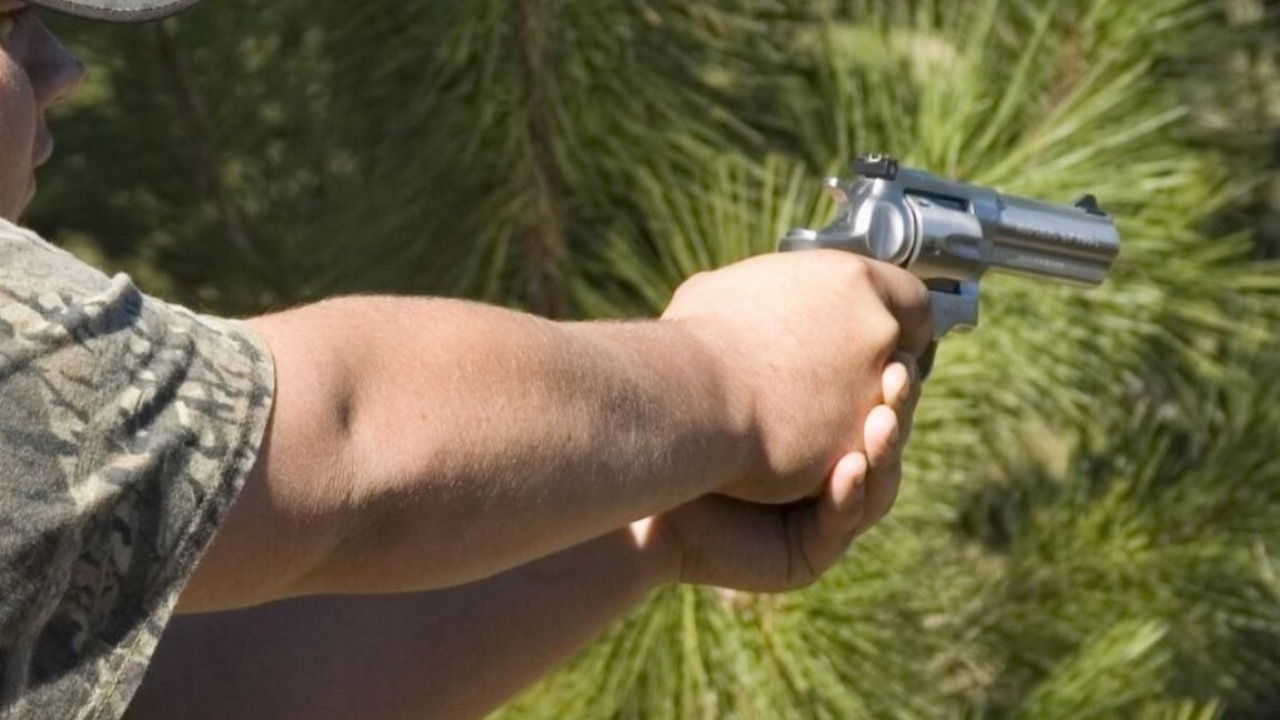
Out in real wilderness, a pistol is rarely the star of the show. It rides backup to a fly rod, a bow or a rifle, there for the rare moment when a black bear keys on your camp or a stranger steps out of the timber with bad intentions. That is why serious backcountry handgunners talk first about reliability and shootability, not looks or bragging rights. The gun has to run when it is dusty, wet and full of pine needles, and it has to be controllable enough that you can put rounds where they need to go while your heart is hammering.
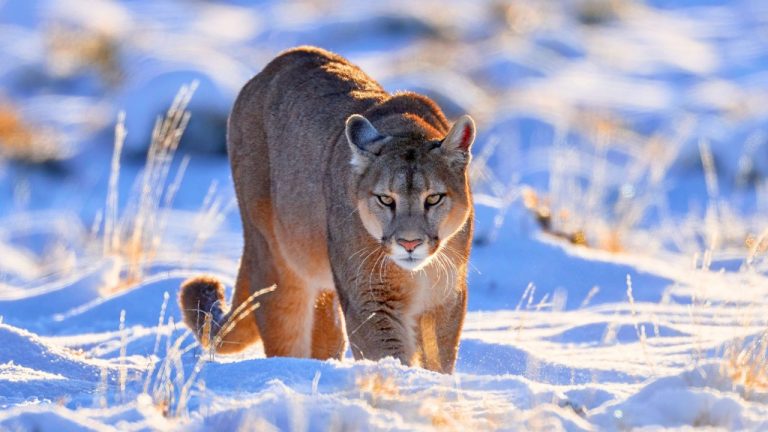
Predators in true bear country are usually focused on Food, and as one seasoned explanation puts it, You only become interesting when you are between a bear and a meal or when a remote boar slips into predatory mode. That is when the handgun on your chest or belt has to bridge the gap between a bad situation and a survivable one. I look for a sidearm that can live in that environment without babying, the same way a good mountain rifle is built for Reliability Under All where rain, snow and extreme temperatures are the norm.
Caliber choices when bears and big animals are on the menu
The caliber debate gets loud any time bears enter the chat, but the pattern is clear if you strip away ego. For big predators, outdoorsmen gravitate to cartridges that drive heavy, hard bullets deep enough to break shoulders and reach vitals from bad angles. Lists of bear-capable handgun rounds put serious revolver cartridges like .454 Casull alongside hot 10mm loads, with the reminder that more power always demands more training. One rundown of bear-defense options even drops rifle rounds like 243 WSSM and 416 Remington Magnum into the conversation to underline how much energy it can take to reliably stop a big bear.
On the revolver side, experienced bear-country hunters point to BEAR CAPABLE CARTRIDGES like the .454 Casull, which Sundles favors for its ability to drive long, tough bullets. That kind of power comes with brutal recoil and slower follow up shots, which is why many guides and anglers have warmed to the 10mm as a middle ground. One detailed look at the cartridge flatly states that the Three of the most practical bear backup handgun cartridges include the 10mm, especially with hard cast loads that hold together through bone and gristle.
Revolver versus semi-auto in the backcountry
Once you pick a caliber range, the next fork in the road is revolver versus semi-auto. In bear circles, there are two clear camps. One group leans on heavy wheelguns in .44 and up, arguing that simplicity and raw power trump everything. The other side prefers high capacity 10mm or .45 autos that are easier to shoot fast and reload under stress. One detailed breakdown of bear pistols spells it out plainly, noting that there are two major camps in this debate and that both can work if the shooter trains hard and picks the right loads.
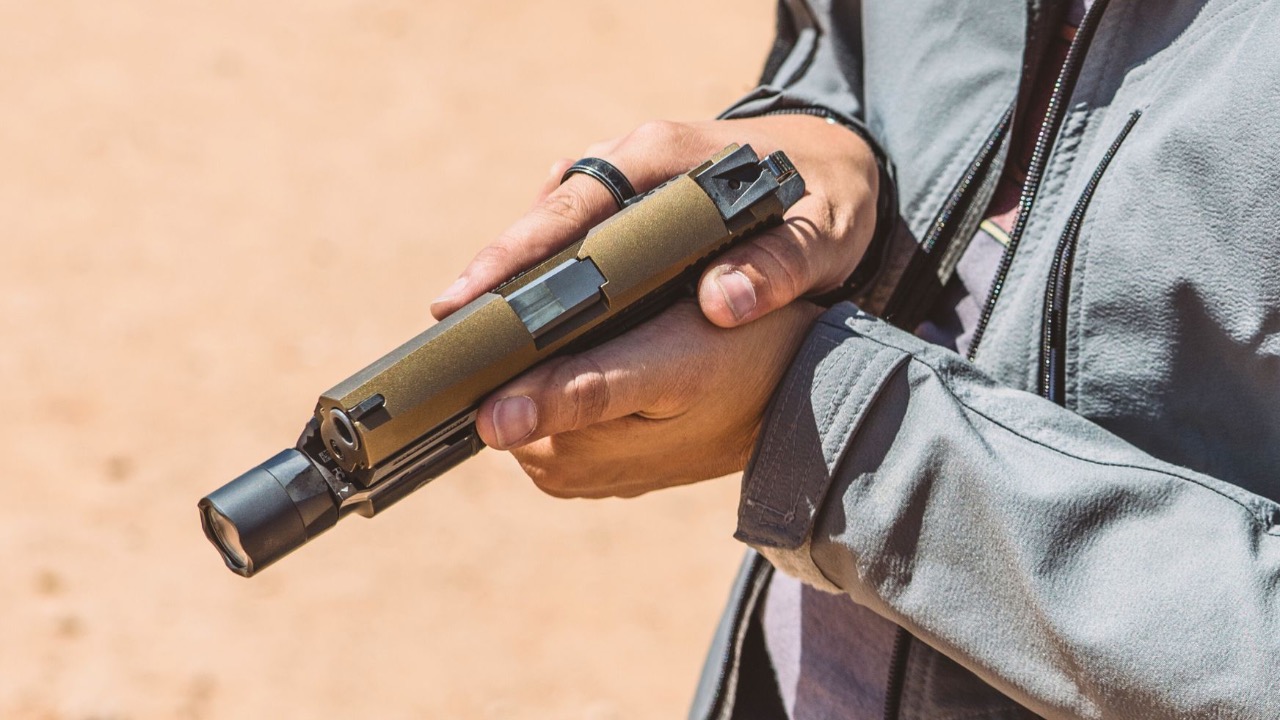
Guides who have watched charges unfold tend to be wary of big magnums that are too much gun for the person behind them. One outfitter points out that .44 Mag has plenty of power, but that round capacity and follow up shots can become a serious concern when a bear is closing fast and the shooter is rattled. On the semi-auto side, modern 10mm pistols like the Smith & Wesson M&P M2.0 10mm and compact options like the XD-M Elite 3.8 Compact OSP 10mm are built to carry comfortably so they are actually on your body when you need them, not buried in a pack.
Modern 10mm carry guns and why they matter
The 10mm has gone from niche to mainstream in the mountains because it hits a sweet spot between power, capacity and shootability. I have watched more than one hunter who struggled with a .454 or hot .44 settle into a 10mm and suddenly start getting fast, accurate hits on steel at realistic bear distances. That confidence matters more than raw muzzle energy when you are trying to thread rounds into a moving target at bad-breath range. It is no accident that a lot of new backcountry specific pistols are chambered in this cartridge.
Manufacturers have noticed the demand. Smith & Wesson rolled out the M&P 10mm M2.0 Carry Comp as part of a Carry Comp Series that is all about controllable performance. The design focuses on Continuing the pursuit of better recoil control and slide manipulation in challenging conditions, which is exactly what you want when your hands are cold and slick. Earlier looks at the 10mm for bear defense have stressed that it may be the perfect sidearm when a grizzly charges, especially when paired with tough hard cast loads from companies like Buffalo Bore, and that kind of endorsement has filtered straight into what you see on guides’ chests.
Cold, wet and filthy: reliability in real weather
Backcountry pistols live hard lives. They get soaked in river crossings, frozen in sleds and packed with spruce needles and grit. A gun that runs fine on a sunny square range can choke when the mercury drops and your gloves are thick. That is why I pay close attention to how a handgun handles cold weather and contamination. Traditional double action autos from Beretta, Ruger, SIG and Smith & Wesson have long reputations for working in the cold, and a lot of seasoned hands still trust them for that reason.
Polymer striker guns have earned their place too. One cold weather overview flatly notes that Another excellent choice for winter use is the Glock, which lines up with what I have seen in snowmachine sleds and on traplines. The same logic that drives waterfowlers to shotguns that keep running when they get wet, muddy and banged around, and that However must continue to function through it all, applies directly to a handgun that lives on your chest in the rain. Rugged mountain rifle builders talk about actions designed to function flawlessly in all environments, and that Whether it is rain, snow or extreme temperatures, the standard is the same for a sidearm that might be your last line of defense.
Carry methods that actually work in the mountains
The best handgun in the world is useless if you cannot reach it when a bear hits your camp or a stranger walks into your elk quartering job. That is why serious outdoorsmen obsess over carry methods almost as much as caliber. In the backcountry, the gun has to ride comfortably with a pack, bino harness and layers of clothing, and it has to be accessible with either hand when you are tangled in a fly line or holding a quarter of moose. Traditional hip holsters can work, but they often fight with pack belts and get buried under rain gear.
In recent seasons, chest rigs have become the go to for a lot of hunters and anglers. One detailed look at holster options notes that Many backcountry users have shifted to chest holsters because they keep the gun clear of pack belts and are generally non obtrusive for hiking, fishing and even rowing. Women who carry in the woods have echoed that experience in their own way, pointing out that Average holsters often do not fit their bodies or work with the way they carry packs. In that same discussion, several women call a chest pack the easiest solution, while others mention fanny packs that rip away with no unzipping and open side holsters that keep the gun clear of their forearm swing. The common thread is fast access that does not get in the way of hiking or hunting.
Legal and practical realities for hunters
For a lot of outdoorsmen, the handgun question shows up first in the context of hunting. Bowhunters in particular spend long hours in thick cover with limited means of defense if something big and toothy shows up. One overview of the issue points out that Hunters often find themselves in remote locations where they encounter various risks, from large predators to potential human threats, particularly where wildlife poses a significant danger. That is why so many bowhunters ask whether they can legally carry a pistol while chasing elk or deer, and the answer varies wildly by state and season.
Another breakdown aimed at archers notes that as a bow hunter, you are often in remote areas where wildlife encounters are a real possibility and that Large predators such as bears, mountain lions and wolves can make a sidearm a reasonable means of protection should an encounter escalate. I tell people to read their regulations carefully and, if they are allowed to carry, to pick a handgun and holster that do not interfere with drawing a bow or climbing into a stand. That usually means a compact but capable pistol in a chest rig or a dedicated pack mounted holster that keeps the gun clear of your harness and quiver.
Maintenance, durability and the “rugged rifle” mindset
Handguns that live in the backcountry need the same kind of care and durability that serious hunters expect from their rifles and shotguns. The more you carry and shoot them, the more dirt, sweat and grit they collect. One practical reminder aimed at everyday shooters notes that Most gun owners who use their firearm with any degree of regularity know that they are eventually going to get dirty, and that regular maintenance is what keeps them running longer and safer. That is doubly true when you are stuffing a pistol into a dusty chest pack every day for a weeklong sheep hunt.
Rifle writers talk about Rugged dependability and how every hunter wants a rifle that will not quit whether trekking the Alaska Range for sheep or still hunting whitetails in a woodlot. They warn that pretty rifles with delicate finishes and tight clearances that collect debris in the action do not cut it. I apply the same standard to a handgun. I want a sidearm that shrugs off scratches, tolerates a bit of neglect and keeps cycling when it is dusty. That is why so many backcountry shooters still lean toward pistols with reputations as the AK 47 of semi autos, a phrase used for one Smith & Wesson 460V comparison that also highlights how One of the big virtues of certain semi autos is capacity that makes up for individual round power.
Triggers, sights and shootability under stress
Once you have a reliable, carryable handgun in a serious caliber, the last piece of the puzzle is how well you can actually shoot it when things go sideways. Outdoorsmen who spend a lot of time with a sidearm tend to favor clean, predictable triggers and sights they can see in low light. At big trade shows, new handguns aimed at this crowd often feature single action only triggers in the 4 to 4.5 pound range, ambidextrous safeties and slide stops, and external extractors that help with reliability. Those are not race gun features, they are practical touches that make it easier to get good hits when your hands are cold and your adrenaline is spiking.
Supporting sources: Review: Lone Wolf’s.

Asher was raised in the woods and on the water, and it shows. He’s logged more hours behind a rifle and under a heavy pack than most men twice his age.