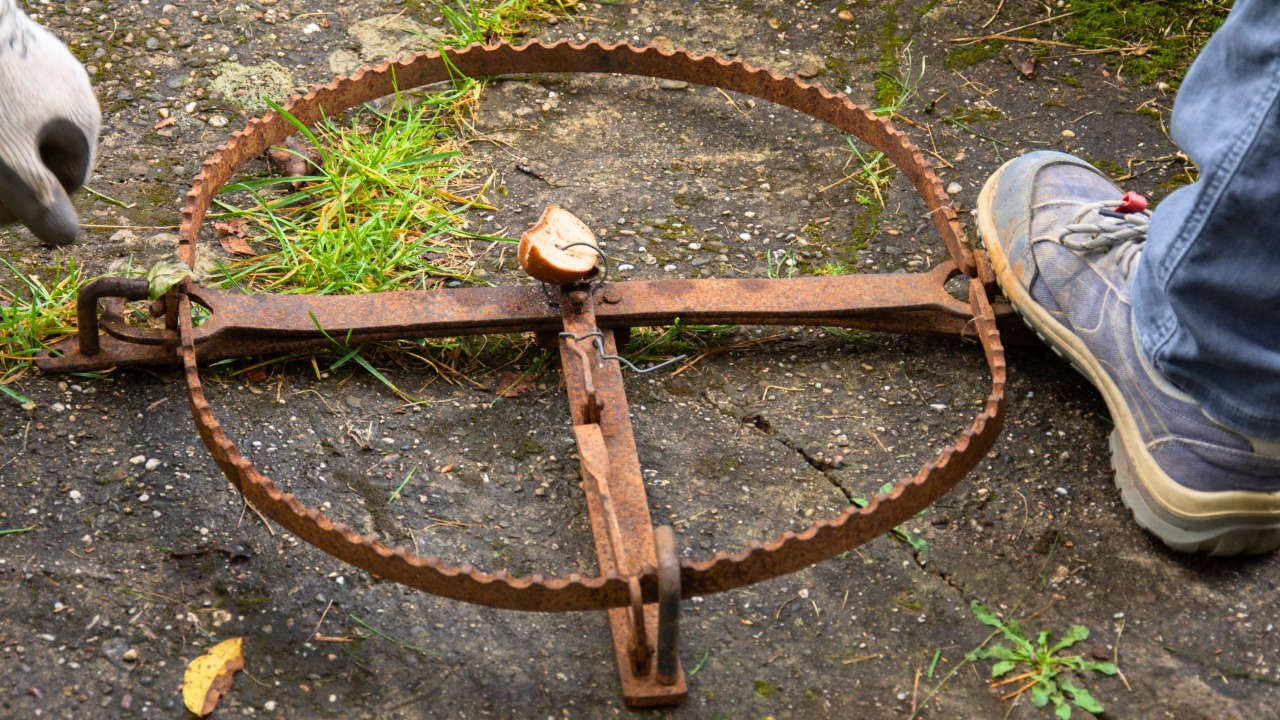
What seasoned trappers look for that gear catalogs don’t mention
Catalogs promise that the right steel and lure will turn any beginner into a fur taker, but experienced trappers quietly judge a line by details that never make the glossy pages. They think in terms of how a set holds up after a freeze, how a neighbor sees a truck full of gear at the gas pump, and how many hours a tool will save in the dark before work. I have learned to watch what seasoned hands actually carry, not what they say they like, and the gap between those two lists is where the real lessons live.
Reading ground and wind before you ever touch a trap
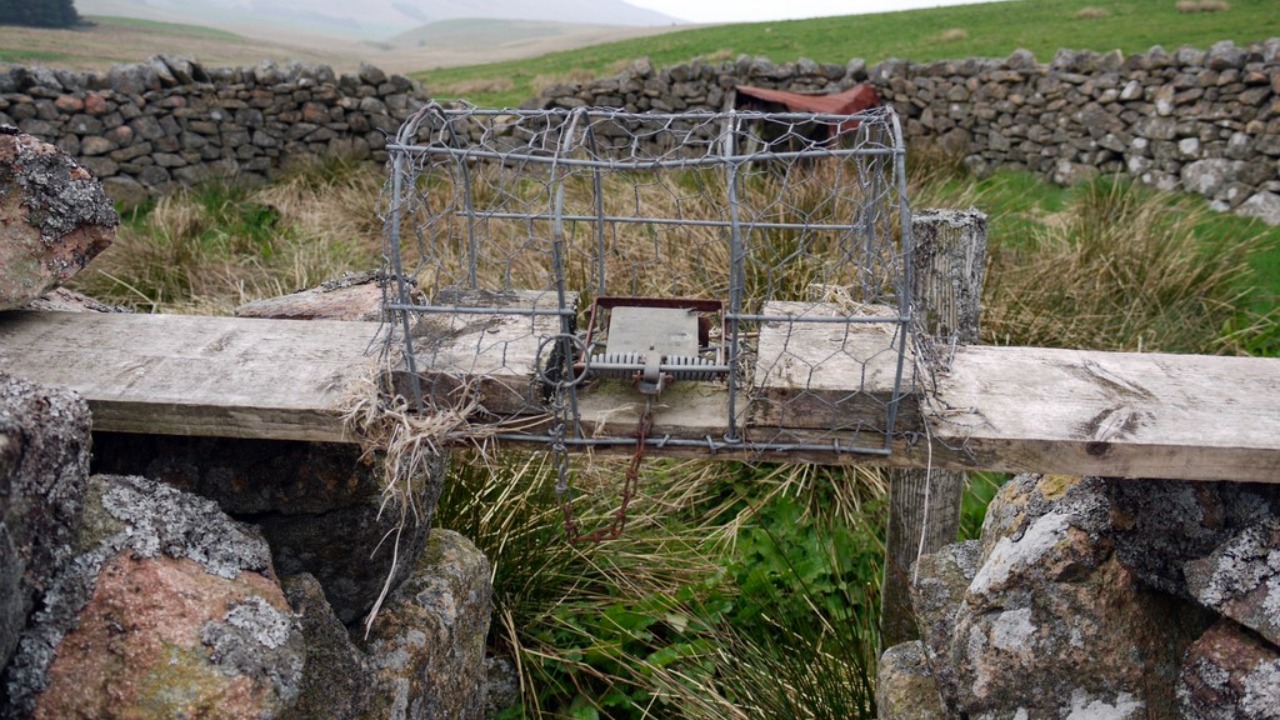
Veteran trappers start with terrain and air, not hardware, because a mediocre rig in the right spot will outproduce a premium trap in dead ground. I look first at how animals naturally travel, then at how wind will carry my scent and lure along those paths, a habit that mirrors predator hunters who insist you must keep the wind to your advantage or you will almost never beat a whitetail’s nose in the early rut, especially where cover pinches down and timber gets narrow, as one detailed analysis of wind and terrain makes clear. That same logic applies on a coyote line, where a crosswind that drifts odor across a trail can turn a subtle set into a magnet while a swirling draw can make even the best lure invisible.
Seasoned trappers also treat water and access as part of “reading the ground,” not as afterthoughts. When I plan a marsh or stream line, I factor in whether I can reach every set safely in the dark with Hip boots or waders, and whether current or fluctuating water levels will change how animals approach the bank. Guidance on water trapping stresses that in addition to traps, stakes, and swivels, you need extra items to work along a stream or marsh, which is really a reminder that the landscape dictates the kit, not the other way around.
Anchoring, fastening and the quiet obsession with what happens after the catch
Gear catalogs love to dwell on jaw strength and pan tension, but seasoned trappers obsess over what happens after an animal steps, pulls and fights. I have seen more line failures from poor anchoring than from weak traps, which is why I pay close attention to how I stake or cable every set and why I treat Trap Fastening as one of the most critical skills on the line. Detailed instruction on fastening warns that nothing causes more lost animals than weak connections and that some soils will not hold a regular stake, a reality that only shows up after a hard rain or a big boar coon has worked the chain all night.
Experienced trappers also think about anchors before they ever pound one in, choosing systems that match soil type and target species instead of whatever bundle came with a starter kit. Practical advice for beginners in the Upper Midwest highlights Trap stakes or anchors as essential because nothing is worse than realizing a catch has dragged off with your gear, and that blunt warning reflects what veterans already know from bitter experience. When I choose between rebar, earth anchors or drags, I weigh not just holding power but how quickly I can drive or pull them in frozen ground, because time and energy are as finite as money on a long line.
Set style, subtle tools and the art of making ground look untouched
Once the trap is anchored, seasoned trappers focus on how the set itself blends into the landscape and guides an animal’s feet without broadcasting human disturbance. I rely heavily on classic patterns like the Dirt Hole Set and the Flat Set for canines, because they mimic natural digging and scent posts that predators already investigate. Detailed instruction on these patterns, including Chagnon’s nuanced approach to how animals revisit a catch site, underscores how much of trapping success comes from reading animal behavior and then building sets that look like something a fox or coyote would have created on its own.
To make those sets disappear, experienced trappers lean on small, specialized tools that rarely get top billing in catalogs but quietly define efficiency. Interviews with working trappers highlight how Other items that Kaatz believes essential include dirt sifters, wire pan covers and cable stakes, and he notes that sifters are useful in “90 percent of situations,” which matches what I see on most predator lines. When I pack my bucket, I prioritize those quiet helpers over flashy gadgets, because a clean sifted bed, a pan that never crunches under a crust and a stake that never pulls are what keep a set working through freeze, thaw and multiple checks.
Education, regulations and the paperwork that actually shapes your kit
Seasoned trappers treat regulations and education as part of their gear, not as a bureaucratic chore to handle after the fact. Before I buy new equipment or expand into a different state, I follow the same advice given to beginners in the Upper Midwest, where Trapper education guidance urges people to Check their state’s requirements and any state they plan to trap in. That kind of preparation determines whether I need additional trap tags, specific cable devices or even different transportation and storage methods to stay within the law.
On the line itself, regulations translate directly into what hangs from each chain and how it is labeled. In Minnesota, for example, rules require that all traps and snares carry Trap Tags or indelible markings, which means any serious kit must include durable tags and a system for stamping or engraving them. I build those compliance details into my packing list alongside swivels and stakes, because a forgotten tag or a noncompliant snare can cost more than any piece of gear, and seasoned trappers know that a citation or confiscated trapline is the most expensive “equipment failure” of all.
Vehicle setups, scent control and how you move through the landscape
What separates a polished trapper from a cluttered novice often shows up in the truck, not the trap bed. I organize my vehicle so I can reach stakes, lures and tools in the order I use them, following the same logic that state agencies share when they explain that Setting Up Your Vehicle for Trapping properly will save time and help avoid offending the non trapping public. That means keeping carcass handling separate from clean gear, stowing dispatch tools out of sight at gas stations and arranging buckets and totes so they do not spill waxed dirt or lure across the cab.
Seasoned trappers also think hard about how their own scent and movement ripple across the landscape long after the truck door closes. A short video aimed at coyote trappers bluntly states that This is why scent control matters, pairing that message with footage that shows how quickly a wary animal can pick up human odor. I take that to heart by wearing clean gloves at the set, minimizing unnecessary walking in the catch circle and timing my checks to avoid bumping animals off travel routes, because the way I move and smell can undo hours of careful set construction.
Safety, visibility and the unglamorous gear that keeps you alive
Catalogs tend to tuck safety gear into the back pages, but seasoned trappers treat it as non negotiable. On busy public land or near roads, I wear blaze orange and mark my approach trails so other hunters and landowners can see me, a habit that echoes advice to carry bright clothing and even blaze orange for your own safety when trapping in the Upper Midwest. I also keep a first aid kit, extra water and a simple fire starting setup in the truck, because a twisted ankle or stuck vehicle can turn a routine check into a survival problem faster than most beginners expect.
Veteran outdoorsmen often mention small, easily overlooked items that make a big difference when conditions turn bad. In one discussion of elk hunting preparation, a contributor singles out a Roll of Electrical tape to keep rain and dirt out of a muzzle, and warns, “Don’t go” without your license and basic survival tools like a way to start a fire. I apply the same mindset on the trapline by taping loose gear, sealing containers against slush and always carrying a backup light and navigation tool, because the hazards of cold, wet, remote country do not care whether you are carrying a rifle or a trap basket.
Choosing gear in the age of algorithms and peer advice
Seasoned trappers are increasingly navigating a gear market shaped by algorithms that surface products based on popularity and data rather than field performance. Google’s Shopping systems, for example, aggregate Product information from brands, stores and other content providers, which can make a particular trap model or lure appear ubiquitous long before it has been tested across a full season on a hard used line. I treat those rankings as a starting point, then cross check them against regulations, my own experience and the quiet consensus of trappers who are actually skinning fur.
That is where peer conversations, from old school forums to newer platforms, become a kind of informal field lab. On one long running thread, a user named Coontail77 responds to a first time trapper and notes that there are “many variations of each” piece of gear, while another poster with 1,069 posts and Joined in 2008 urges newcomers to Read “foxes by the 100s” by Russ Carman to understand foundational methods. On a different platform, a Comments Section about a quality gear list for 2024 includes advice to Start with, budget dependent, 6 12 No BS K9 Xtreme Jrs, reflecting how specific brands like No BS and models such as Xtreme Jrs rise through real world endorsement rather than catalog copy.
Set location, water lines and how animals actually approach your steel
Experienced trappers talk about “location, location, location” with the same intensity real estate agents reserve for property, because they know that animals will forgive a lot of human imperfection if the set sits where they already want to be. Detailed instruction on set making emphasizes that Trap site selection is extremely important and that a poorly constructed but well placed set will often take more fur than a beautifully built set in a dead zone. I internalize that by spending more time scouting trails, edges and sign than I do fiddling with pan covers, and by accepting that sometimes the best move is to pull a trap that is not seeing tracks and move it a few yards to a better pinch point.
On water lines, veterans think in three dimensions, considering not just where a muskrat or mink travels but how current, depth and bank structure will affect both the animal and the hardware. Instruction on water trapping notes that in addition to traps, stakes and swivels, you need extra items to work safely and effectively along a stream or marsh, and that along a stream or marsh you must plan for mud, ice and fluctuating levels. I choose drowner systems, slide wires or deep staking based on how I expect water to rise or fall over the check period, because a perfectly bedded trap in the wrong depth or on the wrong side of a current seam is just expensive decoration.
Scent, clothing and how you present yourself to both animals and people
Seasoned trappers think of clothing as part of their set, not just as insulation, because fabric can either help manage scent and visibility or work against both. Advice from deer hunting experts stresses Knowing Where to Look According to Scent Lok specialists, who argue that scent and access, including hip boots, waders and even canoe routes, matter as much as the stand itself. I borrow that thinking on the trapline by choosing quiet, scent reduced outer layers and by using rubber boots or waders to minimize ground scent where canines or raccoons are especially wary.
At the same time, experienced trappers are acutely aware of how their appearance reads to other people who share the landscape. In one candid discussion about hunting gear, a participant recalls that Several years ago they broke down and bought Scent Lok clothes, nice treestands and a pop up blind, and Also added several flavors of attractant to their usual set up, a reminder that modern outdoor users mix performance, perception and personal ethics when they gear up. I take a similar approach by wearing blaze orange when appropriate, keeping blood and carcass handling discreet and choosing clothing that signals professionalism rather than provocation, because the social license to trap often depends on how respectfully we present ourselves in public.
Method over model numbers: how veterans really judge “good gear”
When I listen closely to seasoned trappers, I hear far more talk about methods and conditions than about specific model numbers, even though certain patterns and tools come up again and again. One state level overview of set types notes that the sets most often used for land predators are the dirthole set, the flat set and the cubby set, and that One of the most important considerations is how to guide an animal’s feet into the trap. That focus on foot placement and animal psychology, rather than on brand names, matches the way experienced trappers describe their best seasons, which usually hinge on dialing in location and set construction rather than chasing the latest gadget.
Even when they do talk gear, veterans frame choices in terms of tradeoffs, not absolutes. John S. Chagnon, for example, writes that There is no one right choice in trap selection and that Other considerations include the quality and price you want to pay and the type of earth or chain stake you pick. Broader surveys of modern trapping tools note that, Based on interviews with active trappers, a wide variety of tools are widely used across the trapping community, reinforcing the idea that what matters most is how well a piece of gear fits a particular method and landscape rather than whether it tops a catalog page. I have come to judge equipment the same way, by asking whether it helps me place a trap where an animal already wants to step, keeps that trap working through bad weather and lets me run a line efficiently and ethically, season after season.

Leo’s been tracking game and tuning gear since he could stand upright. He’s sharp, driven, and knows how to keep things running when conditions turn.