The hunting skill most people don’t practice enough
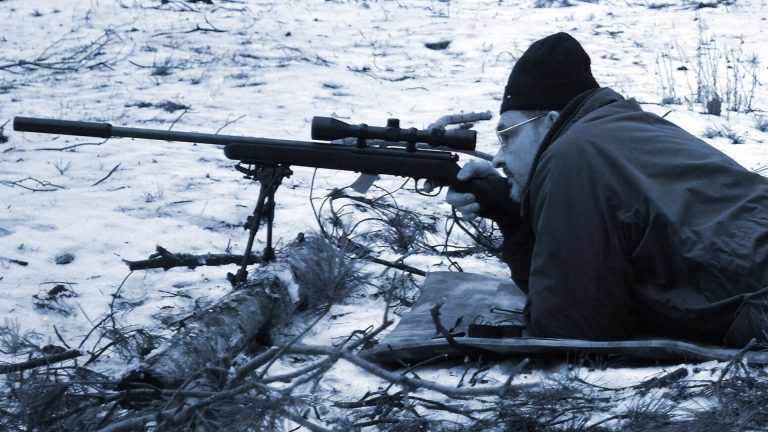
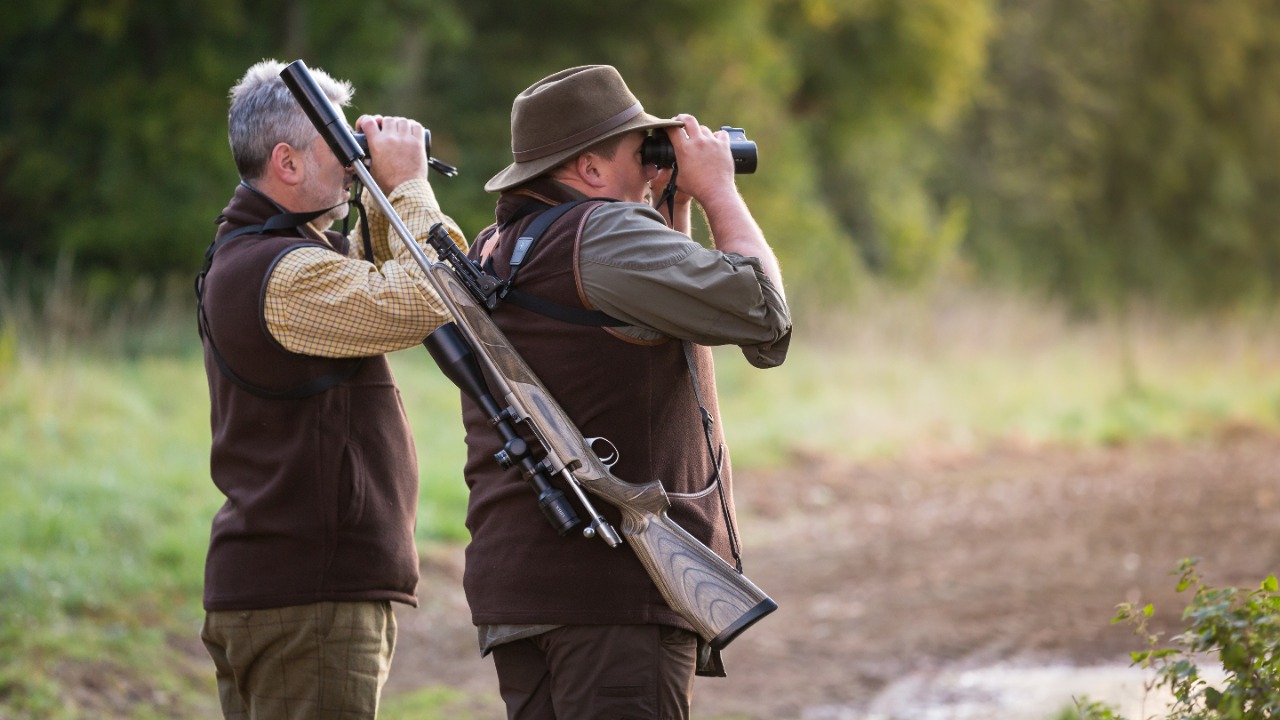
Modern hunters obsess over gear, ballistics and access, yet the skill that quietly decides more tags than any new camo pattern is the ability to sit still and stay mentally locked in. Remaining motionless, calm and focused for long stretches is the foundation that lets every other technique work. When I look at how people actually train, that discipline is the one piece almost everyone underestimates and almost no one practices enough.
The overlooked foundation: stillness and mental control
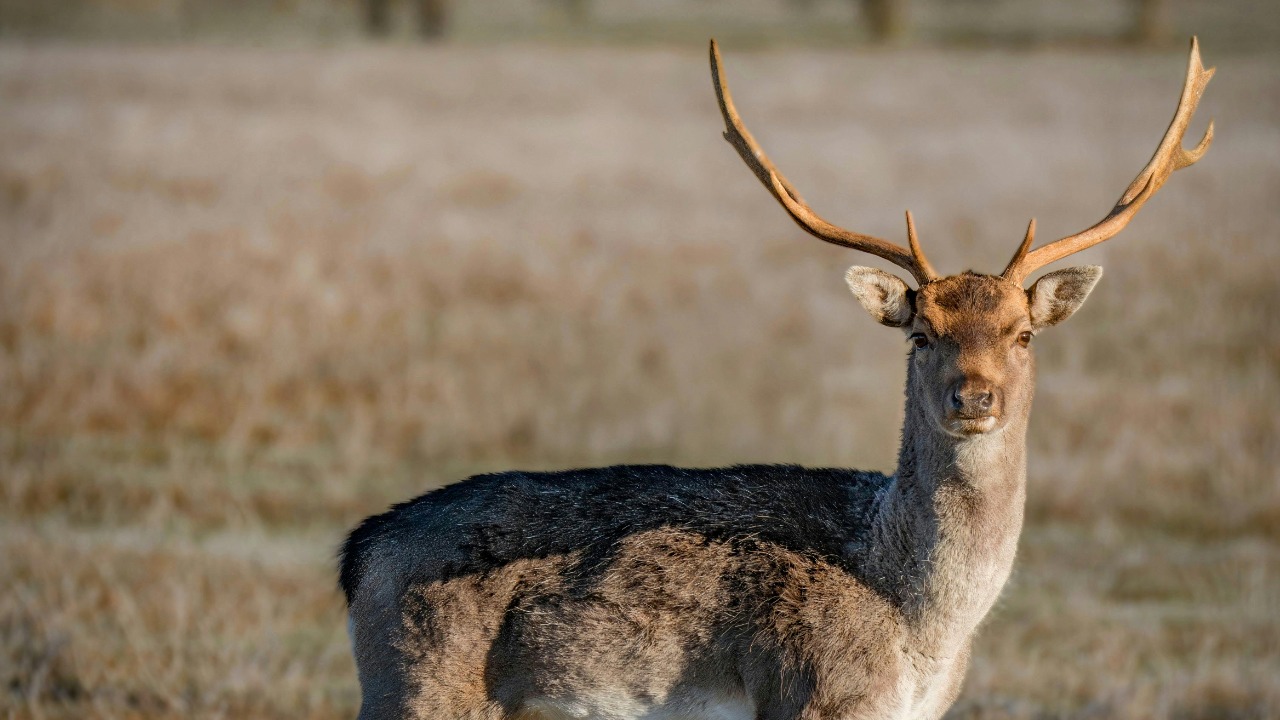
Ask experienced hunters what really blows stalks and stand sits, and the answer is rarely “the wrong broadhead.” It is the tiny flinch at the wrong second, the reflex to swat a mosquito, the impatient shift that flashes fabric when an animal is already inside its danger zone. One hunter on a popular Oct thread described how hard it is to remain “completely motionless for 1/2 hour to an hour,” right down to ignoring itches and bugs, and that blunt admission captures the gap between what people think they can do and what they actually train their bodies and minds to tolerate.
That kind of stillness is not just physical, it is psychological. The longer a sit drags on without action, the more the brain looks for distraction, from phones to daydreams, and the more likely a hunter is to miss the subtle sound or flicker of movement that signals a chance. In the same Oct discussion, the point was made that even “slight movements” and “bright ones” in terms of gear can undo hours of patience, which is really a reminder that composure is a system, not a single decision: body, clothing and mindset all have to be aligned to disappear in the woods. That candid description of the struggle to stay motionless is a better reality check than any marketing copy about “quiet” fabrics.
Why modern practice routines miss the mark
Most hunters will tell you they “practice a lot,” but what they usually mean is that they shoot a lot, often from a bench or a flat backyard lane. One detailed discussion of bow practice pointed out that people lean on the idea that a crossbow or fast compound “doesn’t need to practice,” then end up posting later that they are “looking for a tracking dog” after a bad hit. In that same thread, Duane Hays talked about liking a “5/10 yard kill,” and another hunter noted how often people misjudge “there yardage when they shoot,” especially when they have not rehearsed from an elevated position or under pressure. The pattern is clear: volume at the range is not the same as realistic preparation.
Another group of hunters framed the issue bluntly as a matter of priorities. One commenter said “Word! New camo and a, t make you Fred Bear!” while others argued that people are “either flinging arrows or don” without really understanding their limitations. The conversation around the “penetrative power of an arrow/bolt” compared with lead, and the reminder that “a deer can move” between release and impact, underscored how unforgiving marginal shots are when the shooter has not drilled the exact scenario. The entire exchange about practice and limitations in bow hunting for deer reads like a warning label for anyone who thinks gear can replace disciplined, scenario based training.
Patience beats gear: what veteran hunters keep saying
When you listen to people who have hunted for decades, they rarely brag about the latest sight or arrow speed. They talk about patience, reading animals and knowing when not to shoot. One experienced archer described sitting and fletching arrows while a single thought kept returning, that “hunting requires strategy and skills” far more than it requires another purchase. That same hunter said they would “rather go home empty handed than making a poor shot,” a line that captures the ethical core of the sport and the mental discipline it demands.
That perspective is not nostalgia, it is a practical assessment of what actually leads to filled tags and clean kills. Strategy in this context means understanding wind, terrain and animal behavior, then having the self control to wait for a high percentage opportunity instead of forcing a marginal angle because daylight is fading. The conversation that began with the word “Curious” about how others view skill versus gear turned into a broader consensus that patience and judgment are the real force multipliers. That exchange about strategy, skills and the choice to pass bad shots is a reminder that the most important decisions in the field are often the ones where you do nothing at all.
The quiet art of reading distance and movement
Stillness and patience only matter if they are paired with accurate judgment of distance and movement. One hunter who tested an EZV sight described discovering their “biggest complaint” about it, the limited range, while antelope hunting. They found themselves “REALLY wishi” for more reach in open country, which exposed how much they had been relying on the sight’s design instead of their own ability to read yardage. That same person still planned “to give it a try” again, but the experience highlighted a broader issue: when technology masks a weakness in basic skills, the weakness is still there when conditions change.
Judging distance by eye, especially beyond the comfort of a backyard target, is a skill that erodes without deliberate practice. Animals rarely stand broadside at a perfect, pre ranged landmark, and even with a rangefinder, there are moments when you have seconds to decide whether a shot is inside your ethical window. The antelope scenario with the EZV sight is a textbook example of how quickly things unravel when a hunter has not rehearsed those calls under real field conditions. The detailed account of struggling with range while using the EZV should push anyone who hunts big, open country to spend more time training their eyes, not just their equipment.
Practice like you hunt, not like you benchrest
If the most neglected skill is staying still and composed, the most neglected training method is practicing in the same posture and environment where you actually shoot. One “Tip of the week” that circulated among bowhunters put it plainly: “when we aren’t hunting we are shooting,” but “setting at a bench or laying” is not enough. The advice was to get off the bench, shoot from kneeling, from awkward angles, from an elevated stand, and to keep going until the movements feel automatic. The punchline was simple and blunt, if you think you have shot enough, “shoot some more lol.”
That kind of repetition is not about chasing tighter groups on paper, it is about building a body level familiarity with the exact motions you will use when a deer steps out or an elk pauses in the timber. Drawing smoothly without flagging your bow arm, settling your pin while your heart rate spikes, and holding through a delay when an animal hesitates are all skills that only emerge under stress if they have been rehearsed in similar conditions. The practical “Tip of the week” about getting reps in away from the bench is really a call to align practice with reality, not convenience.
The people skills that quietly open gates
There is another under practiced skill that rarely shows up on gear lists but often decides whether someone even has a place to hunt: basic human interaction. One seasoned bowhunter described how his “15-year-old daughter” secured access to private land simply by walking up, introducing herself and asking politely, while adults in the same area complained about having nowhere to go. The point was not that teenagers have some special charm, but that “old-fashioned people skills” still work when most hunters would rather send a text or scroll mapping apps than knock on a door.
Those interpersonal habits are part of the same discipline as sitting still in a stand. They require patience, humility and the willingness to hear “no” without getting defensive. Hunters who invest time in building relationships with landowners, neighbors and local communities often find that opportunities compound over time, from new properties to shared information about animal patterns. The observation that if you “dig down deep and tap into some old-fashioned people skills, you’ll score on more private land to hunt” is not romanticism, it is a practical strategy. That story about a 15-year-old daughter gaining access through simple courtesy is a reminder that the hunt often starts long before opening day, with a conversation on a porch.
Building a realistic training plan around stillness
Putting all of this together, the most valuable change many hunters can make is to treat stillness and mental control as skills to be trained, not traits to be assumed. That can start with simple, structured drills: sitting in full gear for 30 to 60 minutes without moving, in the yard or on a practice stand, while resisting the urge to check a phone or adjust clothing. Layer in environmental discomfort, from bugs to light rain, to mimic the conditions described by the Oct hunter who struggled to stay motionless for “1/2 hour to an hour,” and track how long you can maintain focus without fidgeting. Over time, that baseline of composure becomes as tangible a metric as group size on a target.
From there, integrate realistic shooting scenarios into the same sessions. After a long period of enforced stillness, stand up slowly, draw and execute a shot at a known distance, then at an estimated one, to simulate the way real opportunities appear after long lulls. Combine that with the kind of off bench practice urged in the “Tip of the week,” and with the ethical framework voiced by the hunter who would rather “go home empty handed than making a poor shot.” The goal is not to eliminate adrenaline or uncertainty, it is to make your response to them so familiar that when the moment comes, you can do the hardest thing in hunting: stay calm, stay still and wait for the right shot instead of any shot.

Leo’s been tracking game and tuning gear since he could stand upright. He’s sharp, driven, and knows how to keep things running when conditions turn.