What separates prepared hunters from everyone else
On any given opener, most hunters carry similar rifles, tags and maps. Yet a small fraction consistently find animals, make clean shots and pack meat out while others head home with unused licenses. The gap rarely comes down to luck. It is usually the result of months of deliberate work that starts long before the first boot hits dirt.
The most prepared hunters treat a season as a year-round project. They train their bodies for steep climbs and heavy pack outs, study behavior and terrain until patterns feel familiar, and build an ethical framework that guides every decision. Everyone else tends to cram, hope and react. The difference shows when weather turns, animals vanish and the margin for error shrinks.
Commitment: Why the “10 percent” keep filling tags

Across western big game seasons, a familiar pattern repeats. A small group of hunters consistently finds success while the majority struggles even in good years. Several experienced elk and deer hunters describe that split as a matter of commitment rather than talent. In tough late seasons, the hunters who keep killing bulls are the ones who stay in the field when snow, cold and fatigue push most people back to camp, a point reinforced in advice on late-season elk.
The same pattern shows up in whitetail and pronghorn country. A detailed breakdown of how to become part of the most successful “10 percent” of hunters argues that consistent winners do not rely on a single trick. Instead they stack advantages by scouting earlier, learning new areas and sticking with a plan when others give up. The analysis on becoming the 10% frames this as a mindset: those hunters accept that success is earned with work that nobody else sees.
Prepared hunters also treat each season as a progression, not a one-off event. They track what worked and what failed, then adjust. When a favorite basin turns into a parking lot, they already have a backup drainage marked and e-scouted. They are willing to hike farther from the road, sit longer on glassing knobs and hunt weekdays instead of only weekends. Over time, that level of commitment compounds into a deep familiarity with specific units and animal patterns that casual hunters rarely match.
Physical preparation: Training for the pack out, not just the shot
Many hunters lift a rifle a few times at the range and call it good. Prepared hunters train for the hardest part of the hunt: climbing with a heavy pack and then hauling meat out. Some coaches and experienced elk hunters suggest structured preseason work that mimics real pack outs, including lots of hiking with weight, stair climbing and lunges. In one widely shared discussion, hunters recommend “Lotsa up and down on a lakeshore” and to “Gradually increase distance to 6 miles and weight up to 100 lbs
Hunters who adopt that kind of structure treat preseason like a training block. They use real hunting packs loaded with sandbags or water bladders, hike local hills or bleachers and track progress. A separate perspective on staying ready over the long term points out that procrastination is the biggest enemy of this process. In a reflection on preparation and lifestyle, one writer jokes about going “pro” at procrastinating, then admits that waiting until the last minute leaves hunters scrambling for whatever gear is left on shelves and whatever fitness is left in the tank. The essay on getting prepared argues that steady, modest training months ahead of time beats crash efforts right before a trip.
Prepared hunters also think about in-season durability. Social media posts from mountain-focused physical therapists highlight that most hunters obsess over gear in late summer but neglect their bodies. One reminder from a clinician states plainly that “Now is the time to prepare!!” and urges hunters to build strength and mobility so they can stay consistent through the entire season. The message, shared on MTN PHYSIO, reflects a growing view of hunters as mountain athletes who need year-round conditioning, not just a few hikes with a pack in September.
Mental toughness: The quiet engine behind hard hunts
Physical strength gets a hunter to the ridge. Mental toughness keeps that hunter there when fog rolls in, the wind shifts and animals go silent. Several experienced voices describe this trait as the real separator between people who talk about adventure and those who finish hard hunts. One detailed look at success in the field argues that “Mental Toughness” is the defining trait of consistently effective hunters, especially when weather turns or plans fall apart. That analysis, which urges hunters to “Weather that storm,” is laid out in a piece on Mental Toughness.
Prepared hunters cultivate this resilience before they ever leave home. They expose themselves to discomfort in training, such as hiking in bad weather or pushing through the last hill when legs are tired. They also rehearse decision making under stress, for example by running shooting drills after a steep climb when heart rate is high. By the time a real bull steps out at last light after a long day, they have already practiced staying calm in similar conditions.
There is also a creative side to mental preparation. Some hunters describe success as a willingness to think differently instead of copying every tactic from social media. In a reflection on business and hunting, one writer notes that creativity “knows no bounds” and talks about parking in a different spot, accessing a property from an unconventional angle or trying overlooked cover that everyone else walks past. That mindset, described in a piece about being different, not better, fits neatly with the idea that prepared hunters are willing to adapt instead of clinging to familiar routines.
Ethics and responsibility: The Four C’s that guide prepared hunters
Skill without ethics quickly turns hunting into something else. Prepared hunters invest as much in their moral framework as in their shooting or fitness. A widely used hunter education curriculum in Texas distills this into “The Four C’s.” According to that program, a responsible Texas hunter is guided by The Four C’s: “Careful,” “considerate,” “capable” and “courteous.” The course on The Four explains that being Careful means a hunter’s attitude is committed to basic rules of safety, while being Courteous includes respect for landowners, other hunters and the animals themselves.
Ethical preparation starts long before a shot. Guidance on responsible hunting in Wyoming, for example, stresses that “Preparing adequately for a responsible hunt involves comprehensive planning, rigorous training, and a deep understanding of the natural environment” and that this preparation “begins long before the hunting season starts.” That perspective, outlined in a discussion of Preparing for ethical hunting, connects logistics with values. A hunter who studies shot placement, practices from field positions and sets personal limits on distance is far more likely to make quick, humane kills.
Prepared hunters also see themselves as part of a conservation system rather than just consumers of wildlife. One education provider frames this clearly: “We believe that an educated hunter is not just a participant in the ecosystem but an active contributor to its wellbeing.” Their program aims to equip hunters with knowledge about habitat, regulations and stewardship so they carry “a deep sense of respect and responsibility towards the environment.” This ethos is described in a piece on stewardship, and it reflects a broader shift toward viewing hunters as caretakers of the land.
Reading animals and country: From “good shot” to skilled hunter
Plenty of people can shoot tight groups at the range. Far fewer can consistently put themselves in front of animals in wild country. Experienced voices often draw a sharp line between marksmanship and true hunting skill. One detailed answer to a common question about this difference argues that being truly skilled requires “Understanding the animals behavior patterns and recognizing the seasonal influences as well as recognition of signs and the impact of hunting pressure.” That explanation, offered in a discussion of Understanding the difference between a skilled hunter and a good shot, emphasizes time spent watching animals outside of hunting hours.
Prepared hunters build that understanding deliberately. They scout in the off season, glassing at dawn and dusk to see how deer or elk use ridges, benches and timber edges. They walk likely bedding areas looking for tracks, droppings and rubs, then compare those signs with maps and satellite imagery. Over time, they start to predict where animals will move when pressure increases or when the first snow hits. That predictive ability separates a hunter who wanders aimlessly from one who moves with purpose.
The same pattern shows up in bird hunting. Some waterfowlers talk about a divide between casual “hunters” and relentless “killers” who consistently finish limits. In one description, the latter group spends time “Calling birds into shooting range and killing them quickly, humanely, and effectively” and pays attention to “the most minute” details such as wind, decoy placement and concealment. That mindset, described in a reflection on Calling birds, shows how preparation in scouting and setup translates into real-world results.
Gear discipline: Prepared hunters own less, but know it better
Modern hunting culture often celebrates gear as much as time outside. Prepared hunters tend to take a quieter approach. They focus on owning fewer items, then learning those tools so well that they become extensions of their hands. Rifles are zeroed from field positions, not just benches. Boots are broken in during summer hikes, not on the first steep climb of the season. Packs are loaded with realistic weight to test stitching and fit before a real quarter goes in.
Some seasoned hunters describe this as a form of ongoing rehearsal. They run through packing lists weeks before departure, checking batteries, filters, stove parts and first-aid kits. They also keep notes on what stayed unused in past seasons and trim that weight. The result is a streamlined kit that supports long days instead of dragging them down. Perspectives on long-term preparation argue that this kind of steady refinement, rather than last-minute shopping, is what keeps hunters ready year after year, a point echoed in the lifestyle piece on staying prepared.
Prepared hunters also recognize that technology can never replace fieldcraft. A discussion among fans of a popular hunting video game series criticizes earlier mechanics where “The previous methods are all the same; do a specific action, and the game tells you ‘the monster is here’. There’s no hunting (or preparation).” One commenter argues that newer versions move in “a much more worthwhile direction” by requiring players to read tracks and behavior instead of following on-screen prompts. That critique, shared in a thread titled There, mirrors a real-world lesson. GPS units, mapping apps and rangefinders are helpful, but the hunters who thrive when batteries die or signals fail are those who have already built traditional skills.
Rituals of practice: From range time to pack-out drills
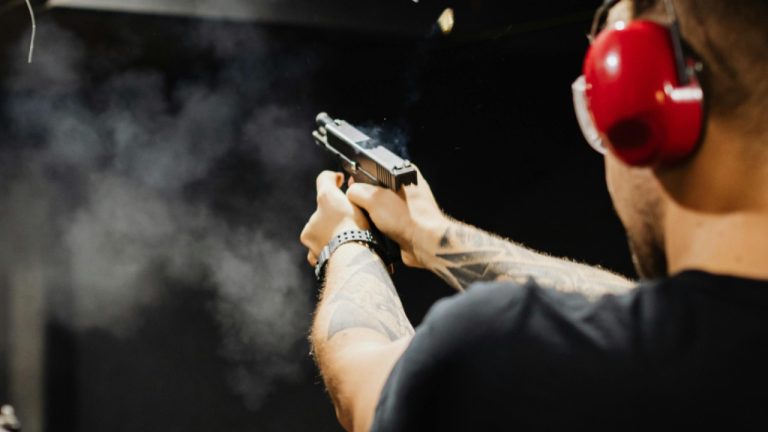
Prepared hunters treat practice as a ritual, not an afterthought. They schedule regular range days that mimic real shots, including prone over a pack, kneeling behind brush and standing offhand at awkward angles. They shoot in wind and low light, not just on calm mornings. They also test gear under stress, for example by timing how long it takes to get a rifle out of a scabbard or to deploy shooting sticks when an animal appears suddenly.
Some of the most detailed practice routines show up in informal communities where hunters share what works. In one Facebook group, members trade ideas about training for steep pack outs. Suggestions range from stair climbers with weighted rucks at speed “7 or higher” to hiking with a “50# bag of rock salt” in a pack. The original thread, accessible through an image link at this discussion, shows how community knowledge can turn into structured practice plans.
Prepared hunters also build mental rehearsal into these routines. Before the season, they walk through what will happen after a shot: marking the location, watching the animal’s reaction, waiting the right amount of time, then following blood or tracks carefully. Some practice blood trailing on mock courses or with training kits that simulate real sign. By the time a real animal is down, they have already run the sequence often enough that adrenaline does not erase key steps.
Culture, identity and the deeper purpose of preparation
For many Americans, the start of hunting season is more than a date on the calendar. It marks the return of a cultural ritual that connects families, communities and landscapes. One analysis of hunting’s role in modern life notes that “For many Americans, this coming weekend brings the start of hunting season” and points out that “Although states allow the hunting of some game species year-round, most of them will do so this weekend.” That framing, offered in a broader look at how Americans benefit from hunting, ties individual preparation to a wider social context.
Prepared hunters often see themselves as part of a lineage that values discipline and purpose. One philosophical reflection describes the hunter’s discipline as “waiting silently, reading the wind and stars, keeping body and breath in balance” and argues that hunters symbolically represent a “Purposeful Drive” through their “steady pursuit.” That idea, developed in an essay on archetype and purpose, helps explain why some people are willing to train all year for a single week in the mountains.
Preparation also shapes how nonhunters see the activity. When hunters are visibly careful with firearms, respectful of property lines and committed to quick, humane kills, it becomes easier to explain hunting as a form of conservation and connection rather than simple extraction. Education programs that stress stewardship, like the conservation-focused course that calls an educated hunter “an active contributor” to ecosystem wellbeing, help reinforce that message. So do state curricula that highlight The Four C’s and encourage hunters to be Careful and Courteous in every interaction, as outlined in the Texas hunter education materials at this ethics guide.
Media, mentorship and the spread of preparation culture
Prepared hunters rarely operate in isolation. They learn from mentors, magazines, online communities and social media, then pass those lessons along. Dedicated hunting outlets maintain active communities on platforms like Facebook, where pages such as Petersen’s Hunting share stories, tips and images that reinforce the value of preseason work and in-season persistence. On other platforms, accounts like HuntingMag and curated boards such as Petersen’s Pinterest spread similar messages through short clips, gear breakdowns and success stories that highlight process rather than just trophies.

Leo’s been tracking game and tuning gear since he could stand upright. He’s sharp, driven, and knows how to keep things running when conditions turn.