Where your odds of spotting a wild bear are highest
Across North America, bears are thriving in pockets where food, space, and protection line up in their favor, giving travelers a surprisingly strong chance of seeing them in the wild. From salmon-choked rivers in Alaska to agricultural edges in the Southeast, the odds of a sighting rise sharply in places that concentrate both bears and people in predictable patterns. I want to map out where those odds are highest, and how to experience a wild bear encounter as a privilege rather than a problem.
Scientists estimate that approximately 850,000 to 900,000 black bears live on the continent, and grizzlies and polar bears add their own smaller but highly visible populations, especially in northern latitudes. That sheer abundance means the question is less whether bears are out there and more where their daily routines intersect with human access, from national parks and coastal islands to farm country and small towns.
Why some landscapes are bear magnets
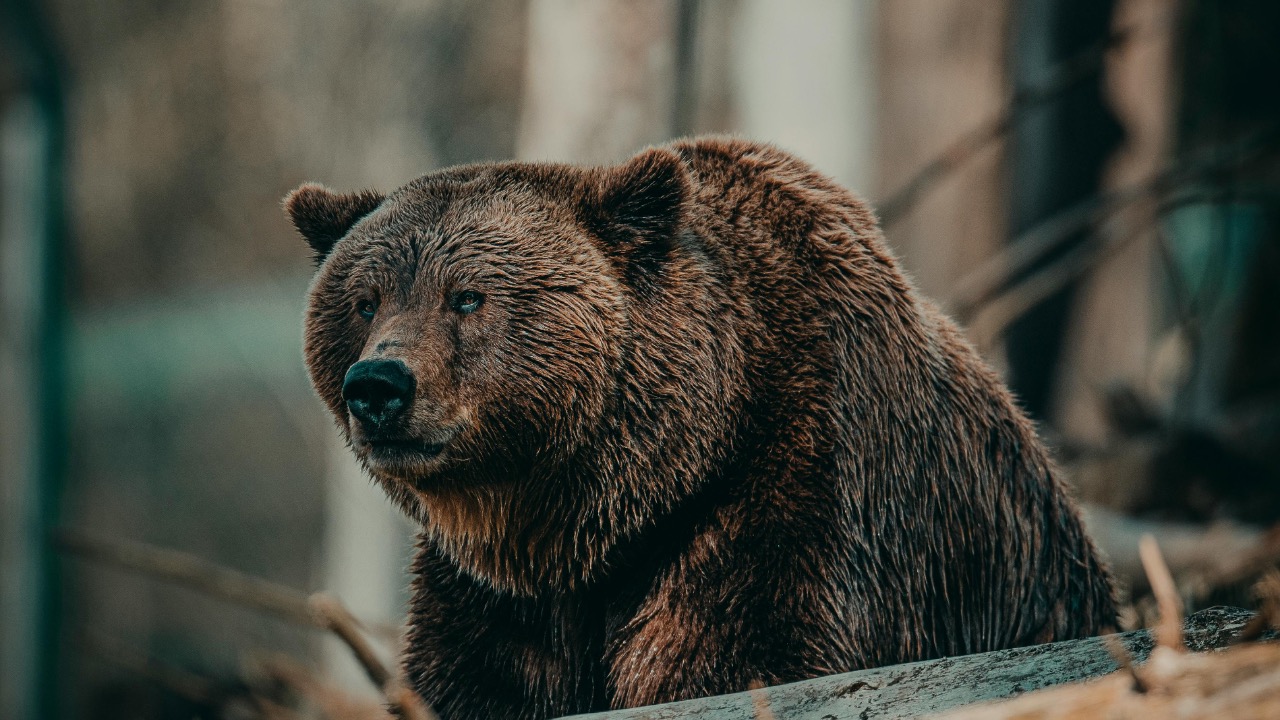
When I look at where bear sightings cluster, the common denominator is food, especially when it is concentrated in a small area. Coastal ecosystems with salmon runs, broad berry fields, and rich estuaries act like magnets, drawing bears into tight corridors where patient observers can watch them feed. Biologist Steve Stringham has long emphasized that the most reliable viewing happens around a regular food source such as a salmon stream, a point echoed in VIEWINGguidance that treats predictable meals as the backbone of any bear-watching plan.
Seasonal timing matters just as much as geography. In late spring and early summer, bears emerge from dens hungry and focus on fresh greens, carrion, and early fish runs, then pivot to berries and nuts as summer peaks and finally to salmon and fat-rich foods before winter. Advice for travelers consistently highlights that Recreating in areas of abundant locally seasonal bear food sources, such as berry patches and salmon streams, can increase the chance of an encounter, which is why safety experts urge people in those hotspots to stay especially aware of their surroundings when Recreating near prime feeding grounds.
North America’s bear capital regions
On a continental scale, North America stands out as a bear stronghold, with black, grizzly, and polar bears occupying everything from temperate rainforests to Arctic sea ice. Travel reporting on wildlife highlights Alaska, British Columbia, and Yellowstone country as some of the best places to see wild bears, underscoring how these regions combine intact habitat with road access and guided tours that make sightings realistic for non-specialists across North America.
Black bears dominate the numbers, and one resort-focused overview notes that Nearly a Million Black Bears Live in North America, specifying that Approximately 850,000 to 900,000 black bears roam the continent. That same source, citing Bri as a reference, points out that these animals thrive in forested landscapes with thick cover and fruiting shrubs, from the Appalachians to the Pacific Northwest, and even in popular recreation hubs like Mount Rainier National Park where berry bushes attract foraging bears along Mount Rainier trails.
Alaska’s high-density brown bear strongholds
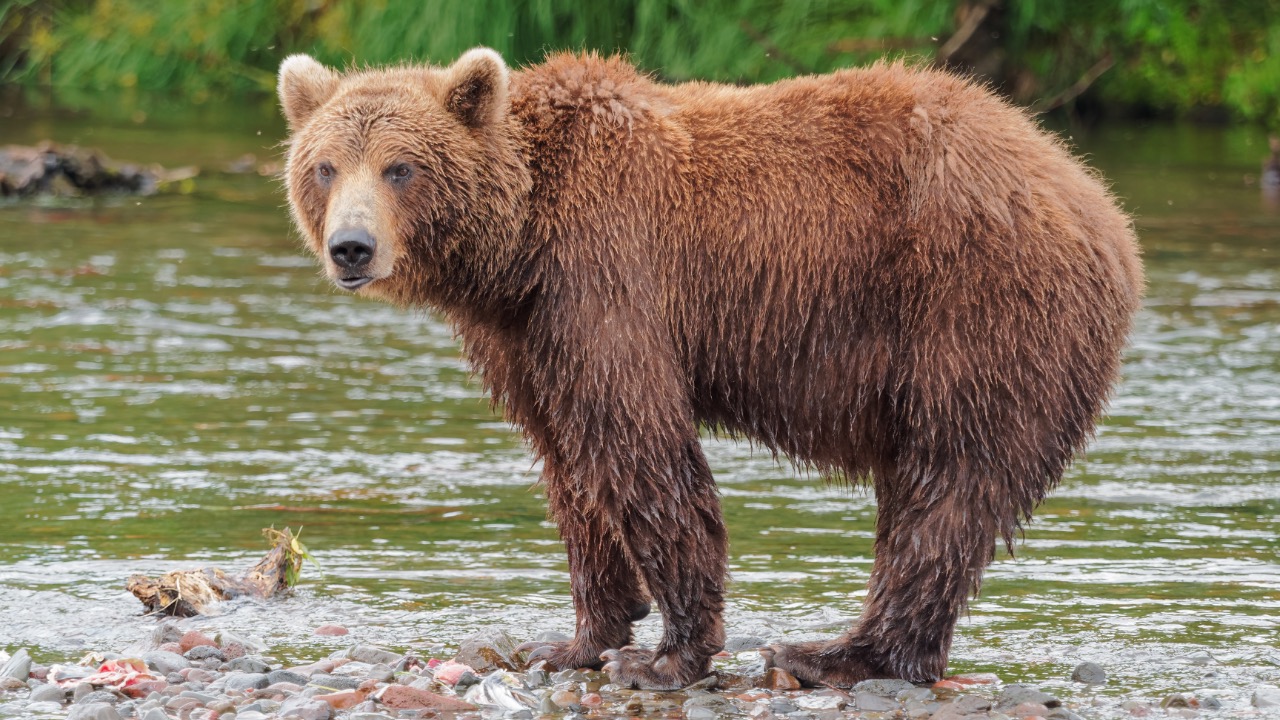
Alaska consistently delivers some of the highest odds of seeing brown bears, especially in coastal forests and island systems where salmon runs are dense. The Tongass National Forest is frequently cited as home to the highest density of brown bears in the world, a point conservation advocates highlight when they describe how its maze of islands and fjords supports extraordinary numbers of bruins. One campaign video about The Tongass, which drew 36 likes on social media, underscores that this vast rainforest also includes some of the largest islands in the United States, giving bears room to roam while still funneling them to specific rivers and estuaries that visitors can reach by boat or floatplane, as seen in a clip shared by The Tongass advocates.
Within this broader region, Admiralty Island National Monument is often singled out for its remarkable bear density, with travel and mapping tools describing how its protected status and rich salmon streams create ideal conditions for brown bears. The island’s Tlingit name, often translated as “Fortress of the Bears,” reflects a long-standing recognition of just how many animals pack into its valleys and shorelines, and modern visitors can confirm that reputation by exploring information on Admiralty Island before booking guided boat or kayak trips that keep a respectful distance from feeding bears.
Kodiak Island and Karluk Lake’s “highest concentration of bears”
If there is a single place where the phrase “bear country” feels like an understatement, it is Kodiak Island off Alaska’s south coast. The Kodiak brown bear, a large coastal form of brown bear, benefits from a rich mix of marine and terrestrial food that allows individuals to grow massive and congregate in tight feeding areas. Local operators describe Karluk Lake as more than a scenic spot, calling it the lifeblood of the island’s bear population and highlighting how salmon pulses through its rivers to support what they describe as the Highest Concentration of Bears on the island, a claim that anchors the marketing for Highest Concentration of tours.
At Karluk Lake, the odds of a sighting are not just high, they are almost built into the landscape, with bears patrolling shorelines, fishing at river mouths, and bedding down on nearby slopes. Outfitters emphasize that this density demands strict viewing protocols, from staying with experienced guides to maintaining clear escape routes and avoiding surprise encounters at close range. For travelers willing to accept those rules, the payoff is the chance to watch dozens of bears in a single day, a level of activity that few other places on Earth can match and that cements Kodiak Island as a premier bear-watching destination.
National parks where sightings feel almost routine
In the Lower 48, national parks provide some of the most reliable bear viewing because they combine protected habitat with roads, campgrounds, and viewpoints that concentrate people in predictable corridors. A widely cited list of National Parks for bear sightings points to Katmai, Alaska, as the ultimate pilgrimage site for those serious about watching bears, especially at platforms overlooking Brooks Falls where brown bears stack up along the river to intercept leaping salmon, a scene that has become synonymous with Katmai in peak season.
Other parks offer strong odds with a bit more driving and hiking. Yellowstone and Grand Teton are often mentioned together as places where black bears and grizzlies patrol roadside meadows and river valleys, and one travel analysis of the safest destinations to spot bears in their natural habitat highlights Grand Teton National Park in Wyoming as a standout. That piece notes that in terms of locations, the park’s mix of wetlands, forests, and open sage flats gives visitors a good chance of seeing bears during spring and early summer, especially when they focus on areas near the Snake River and the foothills of the Teton Range, a pattern that helps explain why Grand Teton keeps appearing in bear-watching roundups.
Black bear hotspots from North Carolina to the Midwest
While Alaska and the Rockies dominate the imagery, some of the most reliable black bear viewing happens in the coastal plain and farm country of the eastern United States. The Bear, Ology Black Bear Education Center describes North Carolina’s Coastal Black Bear Facts in detail, noting that the state’s Albemarle-Pamlico Peninsula holds some of the largest black bears on the Planet and that Northeastern NC is the breadbasket for these animals, with vast tracts of cropland and wetlands totaling well over 200,000 acres that provide year-round food and cover for North Carolinabears.
Local conservation groups build on that picture, pointing out that Eastern North Carolina has become a focal point for celebrating and managing black bears. A feature on Black Bear Fest, Facts and Feats notes that June 4 is National Black Bear Day and that North Carolina’s Albemarle-Pamlico Peninsula supports dense populations of fast, powerful animals that can run up to 35 miles per hour, a reminder that even in festival settings, these are wild creatures that demand respect across Eastern North communities.
Polar bear viewing in Churchill and beyond
For travelers willing to head north, polar bears offer a very different kind of wildlife encounter, one that hinges on sea ice and seasonal migrations. The town of Churchill, Manitoba, has built a global reputation as a polar bear capital because bears congregate along the coast each fall while waiting for Hudson Bay to freeze, creating a narrow window when specialized tundra vehicles can safely bring visitors within viewing distance. Mapping tools and travel guides describe how Churchill sits at the intersection of boreal forest, tundra, and marine habitat, a convergence that funnels bears past town on their way to the ice.
Because polar bears are tied so closely to sea ice, their visibility on land is both a tourism opportunity and a climate warning. As ice-free seasons lengthen, bears spend more time near shore, which can increase the odds of sightings but also heightens the risk of conflict and nutritional stress. Tour operators in Churchill and other Arctic communities have responded by tightening safety protocols, from mandatory briefings to strict rules about staying inside vehicles, and by working with researchers who track how changing ice conditions affect bear movements, a collaboration that shapes how visitors approach polar bear viewing in Manitoba and neighboring regions.
Coastal black bears and salmon-fed giants
Along the Pacific coast, black bears benefit from a buffet that interior populations rarely see, and that abundance translates into both larger body sizes and higher local densities. Outfitters who specialize in these hunts and viewing trips note that as with most coastal bear habitat, there are much larger and consistent food sources than in interior regions, pointing to Massive salmon runs, shellfish, and lush vegetation as key reasons coastal bears grow big and concentrate along rivers and estuaries, a pattern highlighted in descriptions of British Columbia’s Massive coastal black bear habitat.
These same dynamics play out further south in Washington and Oregon, where salmon-bearing streams and berry-rich clearcuts draw black bears into relatively small areas that hikers and anglers also frequent. Wildlife agencies and safety campaigns stress that recreating in these zones requires extra care, echoing broader advice that people should avoid surprising bears at close range, secure food and garbage, and travel in groups when possible. In Mississippi, where black bears are returning to parts of their historic range, biologists point out that the north central region is also a suitable habitat for black bears, emphasizing the importance of understanding the specific seasonal food sources like berries, nuts, and agricultural crops that shape where and when bears appear in north central landscapes.
How human development is changing your odds
As bear populations recover and expand, encounters are no longer limited to remote parks and wilderness. A recent analysis of bear encounters using temporal, environmental, and demographic data found that the probability of encountering bears is increasing in more densely populated areas, suggesting that suburban growth and exurban development are pushing people deeper into bear habitat while some species adapt to living near humans. The study’s authors used these patterns to argue for better forecasting tools that can help communities anticipate where conflicts might rise, a recommendation that has clear implications for hikers and homeowners in regions flagged by bear warningmodels.
National parks and preserves remain core strongholds, however, and they continue to anchor many of the best viewing opportunities. A survey of 13 National Parks with bears highlights Denali National Park & Preserve in Alaska as one of the most famous places in the National Park Se system to see both grizzlies and black bears, and it notes that Voyageurs National Park in Minnesota is home to approximately 1,500 black bears. Those figures underscore how protected areas like Denali National Park and Voyageurs act as reservoirs for bear populations that sometimes spill into surrounding communities, further boosting the odds that residents and visitors will cross paths with these animals.

Leo’s been tracking game and tuning gear since he could stand upright. He’s sharp, driven, and knows how to keep things running when conditions turn.