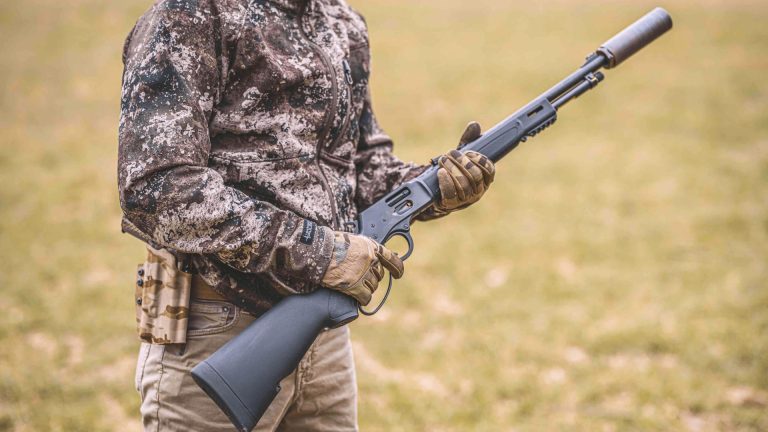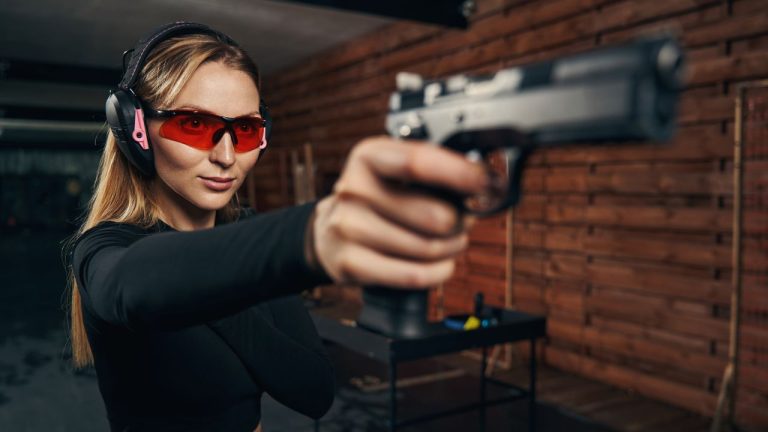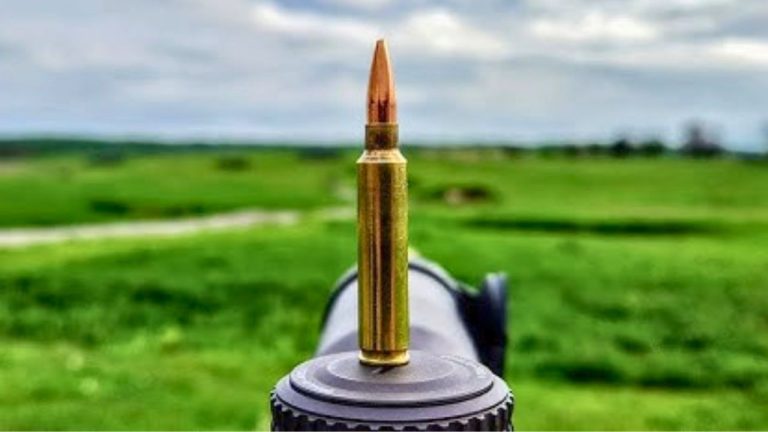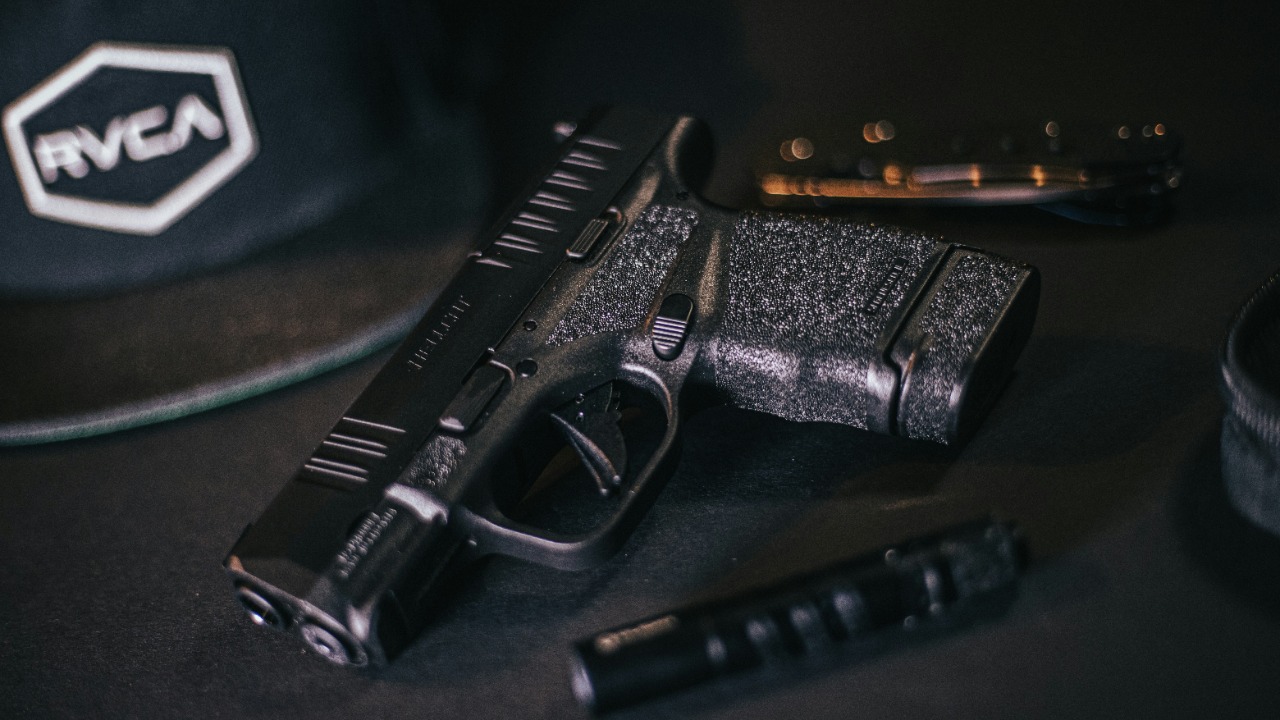
Why 10mm handguns spark strong opinions among outdoorsmen
Among handgun cartridges, few inspire as much campfire debate as the 10mm. To some outdoorsmen it is the ideal bridge between trail gun and defensive sidearm, while others dismiss it as overhyped, hard-kicking, or even redundant next to revolver stalwarts. The divide is not just about ballistics, it is about how people hunt, hike, and think about risk in wild country.
When I listen to those arguments, I hear competing ideas about power, control, and trust in equipment rather than a simple caliber war. The 10mm sits in a narrow space between compact carry pistols and big-bore revolvers, and that in-between status is exactly what makes it so polarizing among people who spend serious time outdoors.
Power, recoil and the “too much, not enough” problem
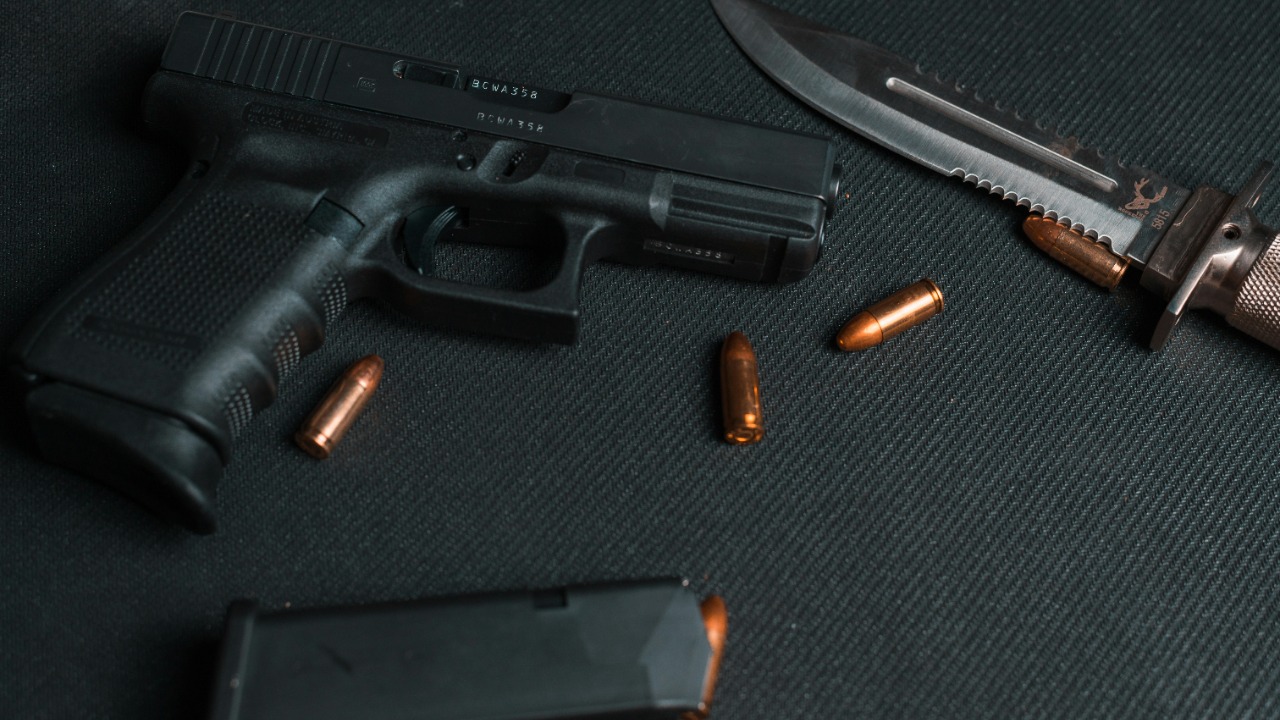
The core of the 10mm debate is power. Advocates point out that the 10mm Auto delivers significantly more energy than common carry rounds, and they see that extra punch as crucial when a handgun might have to stop a charging animal instead of a human attacker. One analysis of the cartridge’s Power notes that the 10mm Auto simply hits harder than the more popular compact calibers, which is exactly why some hunters and hikers are willing to tolerate a larger pistol on their belt.
Critics, especially older shooters who cut their teeth on magnum revolvers, often argue that this power is still a compromise. In one widely shared discussion, an experienced voice identified as Jun referenced an Outdoor Life piece and relayed how “old timers” immediately compared 10mm to traditional bear guns and found it lacking. To that camp, if you are going to carry something bigger than a compact 9 mm, you might as well step up to a full size revolver and avoid what they see as a middle ground that is both snappy to shoot and still short of true big-bore performance.
Bear country and the shadow of 44 Magnum
Nowhere are opinions sharper than in bear country, where cartridge choice is not an abstract argument but a safety decision. Many seasoned outdoorsmen still insist that a 44 M revolver is the standard by which backcountry sidearms are judged, and some writers explicitly frame the 44 M Magnum Is the for those who can manage its size and recoil. That legacy looms over every conversation about 10mm, because the newer cartridge is constantly measured against the long history of 44 M Magnum in the woods.
Supporters of 10mm respond that raw power is only part of the story, and that being able to shoot quickly and accurately under stress matters more than theoretical energy figures. They point out that 10mm is designed for semi automatic pistols, which are lighter and offer higher capacity than most big bore revolvers, and that a well practiced shooter can put multiple rounds on target much more briskly than with a heavy 44 M Mag. That tradeoff between one or two extremely powerful shots and a string of slightly less powerful but faster hits is at the heart of why some guides now quietly recommend 10mm while others refuse to leave their 44 Remington Magnum at home.
Capacity, platforms and the semi-auto advantage
For many modern outdoorsmen, the handgun itself matters as much as the cartridge. The 10mm Auto was built around semi automatic designs, and that lets manufacturers offer pistols with double stack magazines and familiar ergonomics. One prominent example is a polymer framed model promoted with the line that the M&P 10mm holds 15+1 rounds of the powerful 10mm AUTO cartridge, pitched as a sidearm suited to both hunting and range use. That kind of capacity is a stark contrast to the five or six rounds typical of large revolvers.
Capacity is not just a marketing bullet point, it shapes how people think about worst case scenarios. One review of defensive calibers notes that Capacity Most 44 M Magnum revolvers hold either five or six rounds, which means every shot must count and reloads are slow under pressure. By contrast, a 10mm semi automatic with 15+1 on tap gives a hiker or hunter more chances to correct a rushed first shot or to respond to multiple threats, and that surplus of available rounds is one reason some younger outdoorsmen are willing to accept the cartridge’s recoil and muzzle blast.
Ammo reality: downloaded loads and expectations
One of the quieter sources of frustration around 10mm is that the ammunition on store shelves often does not match the cartridge’s reputation. Enthusiasts in California, for example, complain that 95% of all production ammo is only loaded to SAAMI 40 S&W specs, which means many factory rounds behave more like a hot .40 than the full power 10mm that early adopters expected. That mismatch between marketing and performance helps explain why some shooters walk away unimpressed after trying a single box of mild loads.
Even outside California, experienced observers have noted that a surprisingly large share of commercial 10mm is watered down. One widely circulated comment described a “Little known fact about 10mm” and claimed that 90% of factory loads are effectively identical to 40s&w, even in hunting offerings. When a cartridge’s real world performance is so dependent on carefully chosen loads, it is no surprise that some outdoorsmen swear by it while others dismiss it based on a very different experience at the range.
Stopping power, versatility and the “do it all” promise
Supporters of 10mm often frame it as a rare handgun round that can credibly handle both self defense and medium game, and that versatility is a major reason it inspires such loyalty. One detailed review describes the 10mm Auto as a high performance cartridge known for its powerful impact and flexibility, noting that it was Introduced in 1983 and has since become a popular choice for both personal protection and hunting roles. That dual identity is exactly what appeals to outdoorsmen who want one sidearm to cover trail carry, camp defense, and the occasional close range shot on game.
Advocates also lean heavily on the idea of “Stopping Power,” arguing that the 10mm’s energy and penetration give it an edge over smaller calibers when facing large animals. One breakdown of What Makes the cartridge So Desirable highlights Stopping Power as One of its biggest selling points, emphasizing that a typical 10mm load can be suitable for large game in the wild. That kind of performance, especially when paired with expanding or solid bullets designed for deep penetration, is why some hunters now carry 10mm pistols as primary weapons for hogs or as backup guns on elk and deer hunts.
Bear defense loads and the semi-auto learning curve
In the specific niche of bear defense, the 10mm has moved from curiosity to serious contender, but that shift has not silenced skeptics. Ammunition makers now market dedicated 10mm bear loads, and one guide to backcountry choices notes that the cartridge is a proven option for protection against large predators, particularly because it is designed for the semi automatic platform, which is lightweight, offers higher shot capacity, and has demonstrably fast follow up shots in the hands of trained users. That same overview points out that specialized units like the Sirius Sledge Patrol rely on similar high performance semi autos, reinforcing the idea that a 10mm can be a legitimate bear defense tool rather than a fad.
At the same time, some veteran outdoorsmen still argue that the learning curve is steep. A video discussion featuring Jun and others recounts how older shooters, familiar with heavy revolvers, questioned whether typical hikers would practice enough with a hard recoiling semi automatic to make those advantages real, citing their own experience with old timers who doubted that casual users could control the gun under stress. That skepticism is not about the cartridge’s potential, but about whether average outdoorsmen will invest the time and money to master it, especially when milder calibers are cheaper and more comfortable for routine practice.
Real users, online debates and the culture gap
Beyond ballistics charts, the 10mm conversation is shaped by how actual owners describe their experiences. In one widely read thread, a user who had received a 10mm Glock in a trade admitted they did not fully understand the appeal, especially after Reading about ammo that seemed either too expensive or underpowered compared with expectations. That kind of ambivalence, from someone who actually owns the gun, captures why the cartridge can feel like a niche enthusiasm rather than a universal solution.
On the other side of the spectrum, enthusiasts point to the cartridge’s resurgence in the handgun market and the growing list of purpose built pistols and loads. One technical overview of 10mm Auto Basics notes that, for shooters who can handle it well, the 10mm is a much more powerful self defense round compared to many common options, and that modern loads like Hornady’s Critical Duty 10mm have performed strongly in gel tests. That kind of data driven confidence fuels a culture of dedicated 10mm fans who see the cartridge as a “perfect 10” for those willing to commit to it, even as more cautious outdoorsmen stick with the familiar comfort of 9 mm pistols or 44 M Magnum revolvers.
New bullets, hybrid roles and where the debate goes next
As ammunition technology evolves, the 10mm’s hybrid identity as both hunting and defensive round is only getting more pronounced. One manufacturer recently introduced a new 10mm entry in its HoneyBadger lineup, explicitly comparing it to 44 Magnum and noting that while 44 M Magnum is a great cartridge, it is limited by a full load of only 6 cartridges, whereas the goal with the 10mm version was to give users similar terminal performance with far more rounds on board. That kind of product is tailored directly to outdoorsmen who want revolver like penetration in a semi automatic package.
At the same time, general interest pieces continue to remind readers that the 10mm is not magic, just a well balanced tool when matched to the right shooter and mission. One broad review of whether 10mm is worth the hype frames it as a cartridge whose desirability depends on the user’s willingness to manage recoil, cost, and practice demands, while also highlighting that its Stopping Power and suitability for large game make it uniquely attractive to certain hunters. Another guide to So Desirable traits underscores that the same qualities that thrill enthusiasts can feel like drawbacks to casual shooters. That tension, between a demanding but capable tool and the varied needs of outdoorsmen, is why 10mm handguns continue to spark strong opinions every time someone at camp asks what to carry on their hip.

Leo’s been tracking game and tuning gear since he could stand upright. He’s sharp, driven, and knows how to keep things running when conditions turn.