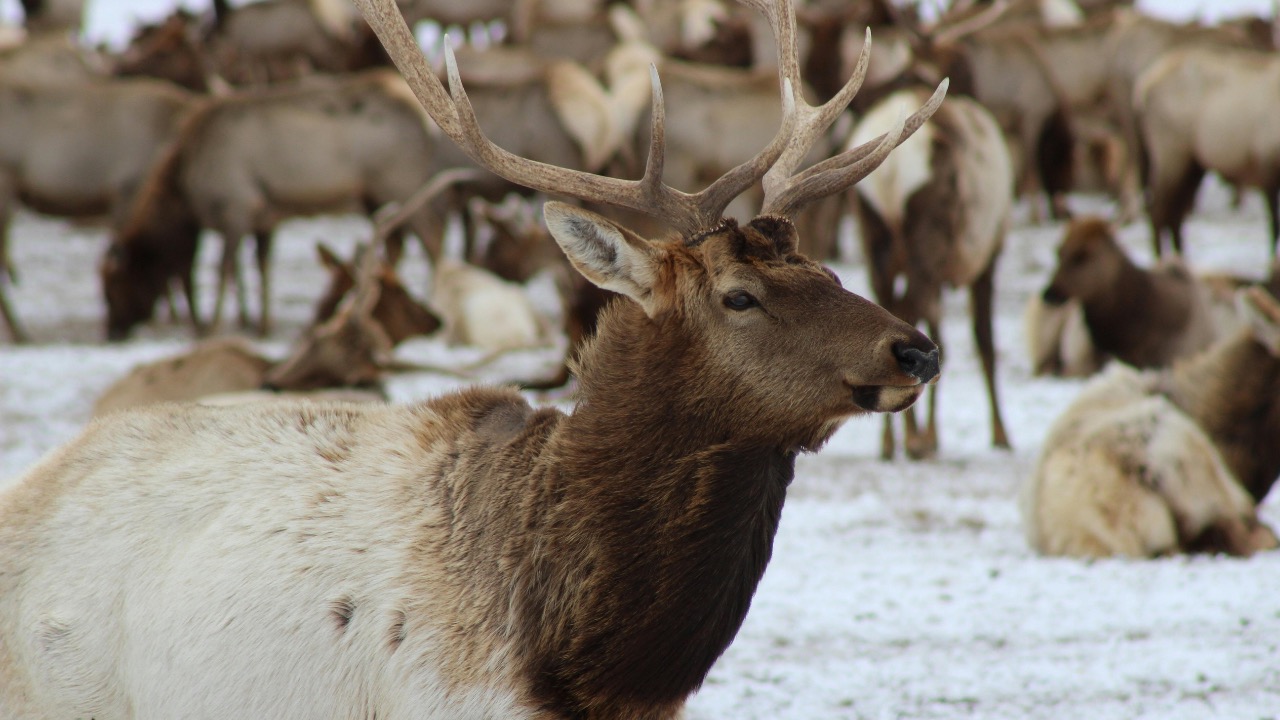
Why certain states are becoming hotspots for big game sightings
From suburban parks to high mountain passes, reports of elk, deer, moose, cougars and other large animals are climbing in certain corners of the United States. Some states are emerging as magnets for big game sightings, not only because more animals are on the move, but also because people are watching and recording them in new ways.
Behind the headlines about surprise encounters lies a mix of climate shifts, land use changes, predator comebacks and surging human interest in wildlife. Together, these forces are reshaping where big animals live, how they travel and where people are most likely to cross paths with them.
Where the sightings are stacking up
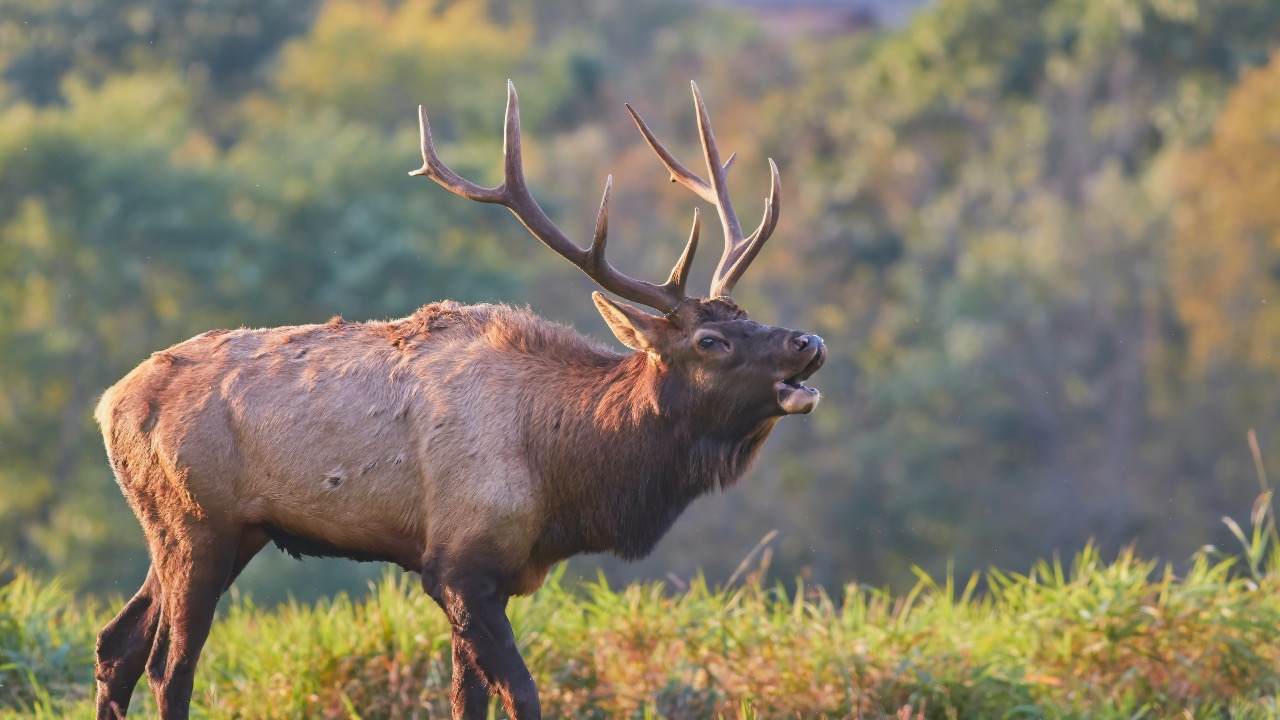
States in the northern Rockies and Upper Midwest have become shorthand for big game country. Places like Wyoming, with its broad winter ranges and high plateaus, routinely hold dense herds of mule deer and pronghorn that concentrate in visible valleys once the snow arrives. Video from the 2026 winter range in January shows observers calling the deer numbers on these ranges some of the most encouraging they had seen in five years, with lines of animals strung across open sage.
Farther south and east, Colorado has leaned on systematic aerial survey work to understand where big game is clustering. Classification flights over winter ranges count elk and deer by age and sex, and biologists describe how weather can complicate the work, while snow can also help by making dark-bodied animals stand out against white hillsides. Those flights routinely tally hundreds or even thousands of animals in typical winters, which translates directly into more chances for residents to spot them from roads and trailheads.
The Upper Midwest has begun to generate a different kind of big game buzz. In Northern Michigan, wildlife officials have confirmed a rise in cougar reports, with the state’s Department of Natural Resources investigating a surge in sightings. One recent account from Northern Michigan described how the region has a lot of visitors, and sometimes after they visit they decide to stay and call it home, a comment that applied both to people and to large cats that appear to be dispersing into new habitat.
Climate shifts that push animals into view
Climate Change is altering the timing and geography of wildlife movement in ways that often put big game closer to people. Research on Climate Change & Its Impact on Migration and Breeding Cycles describes how warming temperatures disrupt long-standing patterns, changing when animals migrate, where they stop and how successful their breeding seasons can be. When snow arrives later or melts earlier, elk, deer and moose may linger longer at higher elevations or move onto green-up in agricultural fields, which tends to bring them into open areas where they are easier to see.
New research in Wyoming found that long-term weather patterns consistent with climate change are shifting migration activity in moose. The study, highlighted in a report on how global warming is affecting wildlife habitats, described how moose have altered both the timing and routes of their seasonal movements in response to changing snowpack and forage. So have moose populations that had once remained steady for centuries, which suggests that the climate signal is strong enough to show up in both behavior and numbers. When traditional routes no longer line up with snow and food, animals are more likely to cross roads, pass near subdivisions or linger in river bottoms that humans frequent.
These shifts are not limited to high-profile species. Broad analyses of how Climate Change disrupts migration cycles point to birds, caribou and other migrants changing their schedules, often arriving earlier on breeding grounds or delaying departures. Big game that once moved predictably through remote corridors can now appear at unexpected times on trail cameras or in farm fields, which feeds the perception in some states that sightings are suddenly booming.
Western growth, shrinking space and Idaho’s warning signs
Population growth in the West is another major driver of hotspot sightings. In Idaho, wildlife managers have described how a booming population, emerging wildlife diseases and invasive species are reshaping the outdoors. In a public planning effort, Idaho Fishing and Game officials asked residents to weigh in on an updated strategic plan that must account for more people on the landscape, more houses in former winter range and more pressure on rivers and forests.
As cities expand into foothills and valley bottoms, the overlap between human neighborhoods and big game habitat increases. Idaho’s open sage and timber already support large herds of elk, mule deer and pronghorn, and the state’s popularity for hunting and fishing means many residents are outdoors in the same places that animals use for migration or wintering. The combination of more animals and more people in the same spaces naturally leads to more reported encounters, from casual roadside sightings to vehicle collisions.
Other western states are experiencing similar patterns. A recurring topic on Fresh Tracks Weekly, a show that recently focused on increased hunting demand in the West, is how surging hunter numbers and general outdoor recreation amplify the visibility of big game. When more people are glassing hillsides, checking trail cameras and hiking into basins, the odds of spotting elk or deer rise even if herd sizes stay constant.
At the same time, wildlife agencies are racing to keep up with new threats. Managers in Idaho highlight emerging wildlife diseases and invasive species that can weaken herds or alter habitat. These pressures can compress animals into the remaining high-quality areas, which often lie along rivers, irrigated fields or protected open spaces that also attract human development.
Predators return to old ground
Some of the most attention-grabbing sightings involve large carnivores returning to places where they had been absent for generations. A recent discussion of Large Predators in Illinois described how animals such as cougars and black bears are appearing more often in a state that once pushed them out. The conversation framed these returns as a more common event as Spring approaches, when young males in particular are likely to disperse long distances in search of territory.
In Northern Michigan, the rise in cougar reports has become a flashpoint. A television segment on Michigan sees rise in cougar sightings, DNR investigates surge, featured interviews about confirmed tracks, trail camera photos and hair samples that suggest more than a handful of animals are moving through the region. Officials cautioned that some reports remain unverified, but the pattern of repeated confirmations points to a real trend rather than isolated flukes.
Predator comebacks are not limited to individual states. A feature on the Hidden Predator Crisis in America described how conflicts between humans and large carnivores are intensifying as both sides compete for space and resources. The video framed the situation as a confrontation between America’s growing human footprint and the needs of animals that require large territories, secure denning sites and robust prey populations. As top predators reclaim parts of their former range, they often follow deer, elk and moose into edge habitats where people live, which increases the odds of sightings and sometimes of livestock depredation or pet conflicts.
Even in states with long-standing predator populations, behavior is shifting. In Washington, scientists have documented cougars targeting wolves, an unusual pattern given that many people assume wolves always have the upper hand. An Instagram post that highlighted this research quoted one scientist saying, “Everyone always assumes wolves have the upper hand. But that’s not always the case.” The same post noted that some neighboring states have five times as many wolves, yet Washington is documenting far more of these kills, which suggests that local conditions and predator densities can produce unexpected dynamics.
Migration corridors that funnel wildlife into hotspots
Behind many of the most reliable big game hotspots are migration corridors that act like wildlife highways. Conservation groups have documented Big Game Migration Success Stories that show how protecting key bottlenecks can keep herds healthy. In one summary, advocates described how Speaking Up in public processes helped secure underpasses and easements that allow animals to cross roads safely, and they pointed to strong Public opinion in favor of this work.
States like Wyoming and Idaho have invested in mapping these routes with GPS collars and aerial surveys. In western Wyoming, for example, mule deer and pronghorn follow narrow paths between summer ranges in high mountains and winter ranges in lower basins. When heavy snow pushes them down, the animals can concentrate in tight bands along river corridors or valley floors. That clustering makes them easier to count from the air and easier for residents to spot from highways or town edges.
Colorado’s big game classification flights provide another window into how migration funnels animals into visible areas. Biologists have described how weather can complicate the work, with high winds or low clouds grounding aircraft, but they also note that snow can transform a patchy landscape into a bright backdrop that highlights every elk and deer. The resulting counts help managers adjust hunting quotas and habitat work, yet they also reveal how predictable some of these hotspots have become. When thousands of animals pile into a few drainages, word spreads quickly among photographers, hunters and curious residents.
Suburban edges: from Peachtree Corners to Northern Michigan
Not every hotspot sits in a remote valley. In Georgia, a report on Peachtree Corners described a deer population that has grown to 8 times the recommended level. A resident named Al Gauscior spoke while walking through a park where deer have become a daily presence, and the segment showed how even a short stroll can mean weaving through groups of animals. Local officials framed the situation as both a safety concern and a quality of life issue, with gardens, landscaping and vehicle collisions all affected by the sheer number of deer.
Suburban and exurban communities across the country are experiencing similar surges. Fragmented forests, ornamental shrubs and year-round lawns provide food and cover for deer, while hunting is often restricted or unpopular in residential areas. The result is a patchwork of neighborhoods that function as de facto refuges, where deer can thrive with little predation pressure. As numbers climb, so do sightings, social media posts and calls to local governments.
Northern Michigan offers a parallel story with predators. As cougars expand their reach into the region, sightings occur not only in deep forest but also near cabins, rural roads and even the outskirts of small towns. Residents who once associated big cats with distant mountains are now checking security cameras and finding long-tailed silhouettes in their own driveways. The psychological impact of knowing that a large predator might be nearby can be as significant as the ecological one, and it fuels intense debates over management, safety and coexistence.

Leo’s been tracking game and tuning gear since he could stand upright. He’s sharp, driven, and knows how to keep things running when conditions turn.