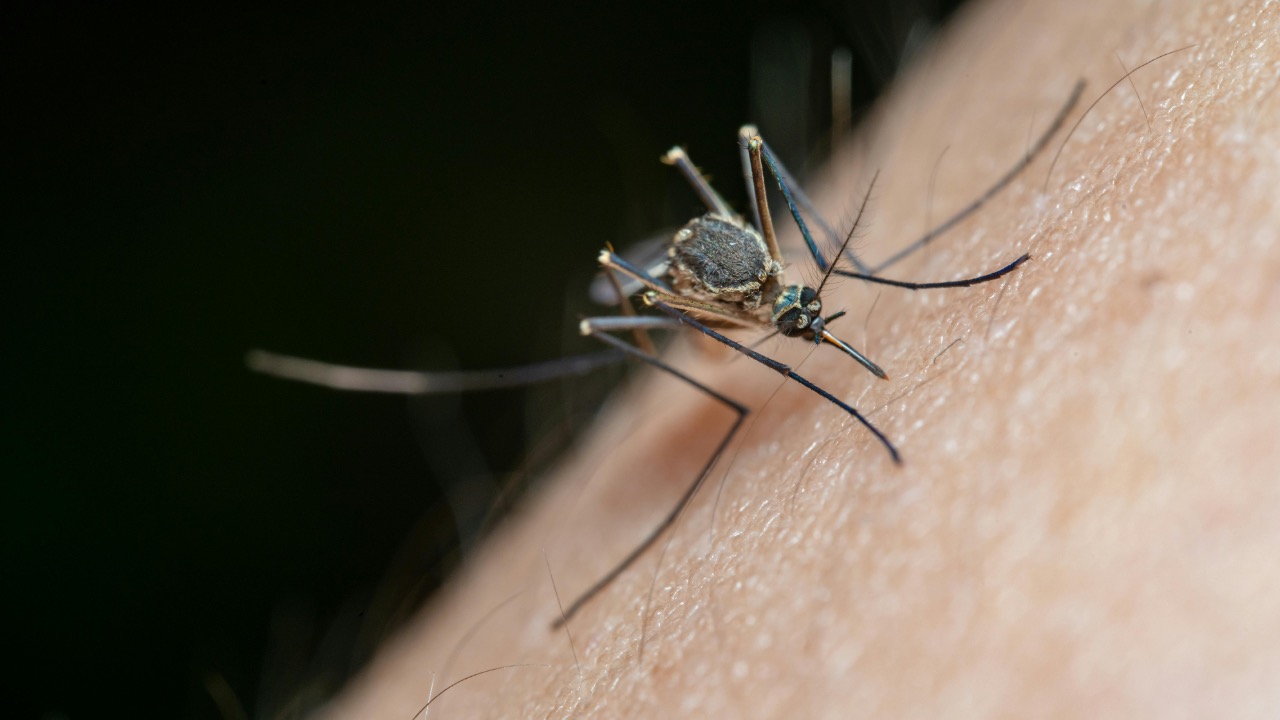
Study finds notable shift in mosquito feeding behavior
Mosquitoes don’t bite out of malice — they bite because female mosquitoes need blood to produce eggs. How, when, and who they feed on drives disease spread, nuisance levels, and control strategies. For decades, we assumed mosquito feeding behavior was predictable: nocturnal biting, fixed host preferences, and set routines. But recent studies suggest that’s not the full picture. Environmental pressures, resource availability, and even infection status can push these insects to change their habits in surprising ways.
These shifts matter because they influence where and when people are at risk, and they shape how control tools like bed nets and repellents work. When mosquitoes adapt, we need to keep up with that adaptation if we want to protect communities and stay ahead in managing vector‑borne diseases.
Mosquitoes Are Shifting Toward Humans as Primary Hosts
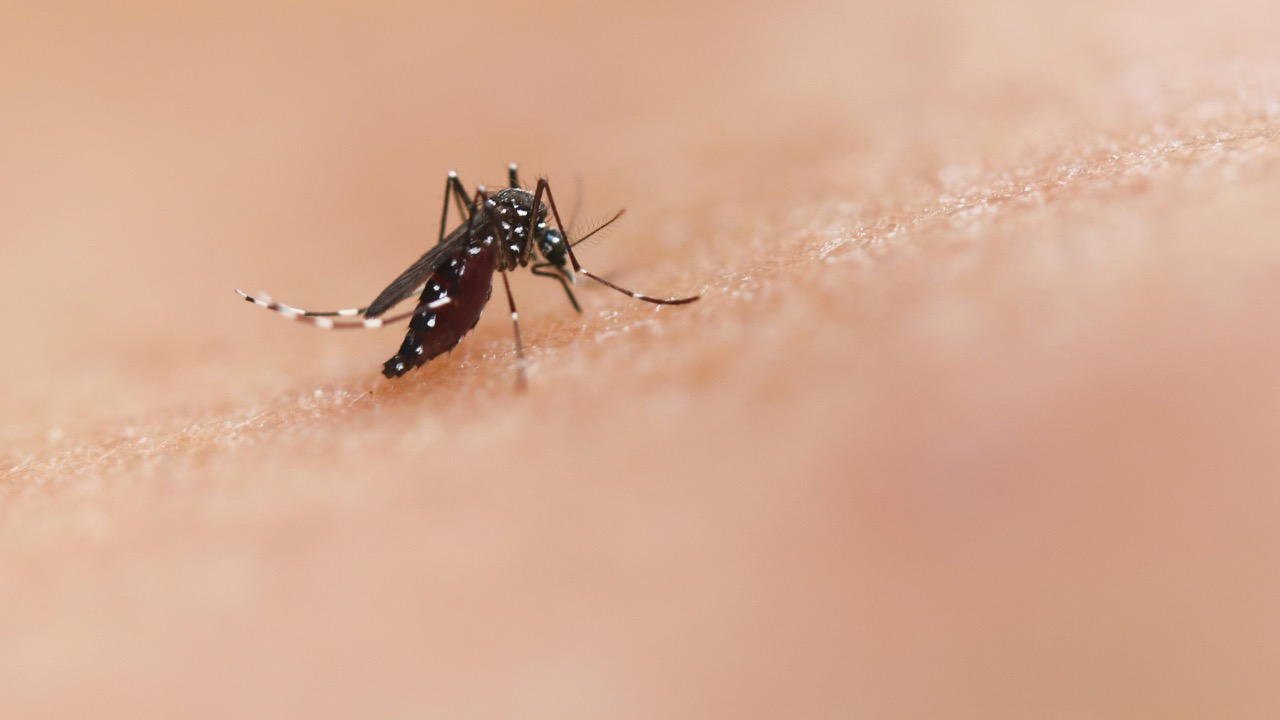
In parts of Brazil’s Atlantic Forest, researchers have documented a clear shift in mosquito feeding patterns: more mosquitoes are feeding on people rather than the wider range of wild animals that once dominated the ecosystem. With deforestation stripping away habitats for birds, mammals, and reptiles, mosquitoes are adapting to a landscape dominated by humans and domestic animals.
This isn’t just a curiosity — it increases the risk of local transmission of diseases like dengue, Zika, yellow fever, and others. When mosquitoes bite humans more often, contact rates rise and so does the chance of transmitting pathogens. For communities living along forest edges, this behavioral shift makes mosquito bites not just irritating, but a growing public health concern.
Nutritional Stress Can Push Mosquitoes to Bite at Unexpected Times
Feeding behavior isn’t fixed by species alone — a mosquito’s nutritional status plays a role too. In lab‑simulated conditions, hungry Anopheles mosquitoes that lack sugar or blood meals begin host‑seeking earlier in the day and at times when people aren’t protected by bed nets.
Traditionally, malaria vectors bite late at night, when insecticide‑treated nets protect sleepers. But when these mosquitoes are nutritionally stressed, they modify that pattern, increasing their activity at dawn or dusk. That shift undermines one of our most successful control tools — the bed net. Understanding how energy reserves influence feeding schedules could help refine strategies that aim at changing mosquito behavior rather than only blocking it.
Infection Can Change How Often Mosquitoes Bite
Pathogens don’t just hitch a ride in mosquitoes — they sometimes change the bug’s behavior to improve their own spread. Research on Aedes aegypti infected with dengue virus shows that infected mosquitoes can become more attracted to hosts and dig in longer to feed.
Infected mosquitoes may take successive short probes, biting more often to reach the same level of blood intake as uninfected peers. This combination of increased host‑seeking and reduced biting efficiency means a single infected mosquito might bite multiple hosts in one feeding cycle, raising the odds of transmission. Behavioral changes like these suggest that disease dynamics aren’t just shaped by mosquito numbers, but by how infections alter mosquito behavior itself.
Mosquito Feeding Flexibility Varies Across Species and Regions
Not all species feed the same way, and recent genetic analyses reveal a surprising amount of flexibility. Some mosquitoes have very broad host ranges, feeding on hundreds of vertebrate species, while others stick to a narrower set of hosts even across different environments.
This variability means that predicting disease risk based on one species’ behavior can mislead, especially when environmental factors like livestock presence or human settlement patterns change. In parts of the world where animal hosts are scarce, even species with innate preferences may shift to whatever hosts are available — including people. Mosquito feeding isn’t fixed; it bends to circumstance.
Internal Biological Clocks Help Time Bite Activity
Like many insects, mosquitoes have internal rhythms that influence when they’re most active in seeking hosts. Research manipulating the day‑night clock genes of mosquitoes shows that biting behavior peaks around dawn and dusk due to their internal clocks, not just external light cues.
When scientists disrupted the gene controlling this rhythm, mosquitoes became less persistent in seeking hosts during those peak periods. This suggests that daily timing is hard‑wired and contributes to the classic pattern of biting, but it also means there’s potential to tweak that rhythm to reduce biting at times when people are unprotected.
How Mosquito Behavior Shifts Shape Disease Control
Taken together, these studies show mosquito feeding behavior is far from static. Host choice changes with habitat loss, feeding times shift with nutrition, and infections can alter how frequently mosquitoes bite. What this means for disease control is simple but profound: strategies that rely on old assumptions about mosquito behavior can lose effectiveness.
If mosquitoes bite earlier, outside bed net protection times, or flip their host preference toward humans, transmission risk grows faster than models predict. To keep disease in check, we need surveillance that tracks behavior as well as numbers, and interventions that consider how feeding dynamics are shifting in response to environmental and biological pressures. Understanding these subtleties turns mosquito control from guesswork into smart design — the kind that keeps hunters, hikers, and communities safer.

Asher was raised in the woods and on the water, and it shows. He’s logged more hours behind a rifle and under a heavy pack than most men twice his age.