Why gun counter advice isn’t always helpful
Walk into almost any gun shop and you will hear confident opinions delivered like gospel. Some of it is solid, hard earned knowledge. Some of it is outdated myth, sales patter, or one person’s bias dressed up as universal truth. When you are trying to choose a tool that can protect your life, that gap between confidence and accuracy really matters.
I have spent enough time on both sides of the counter to know that the advice you get in those few minutes can push you toward a safe, effective setup or saddle you with a gun that does not fit your hands, your needs, or your skill level. The trick is learning where counter wisdom helps and where you need to push back, ask better questions, and do your own homework.
Why the gun counter feels authoritative
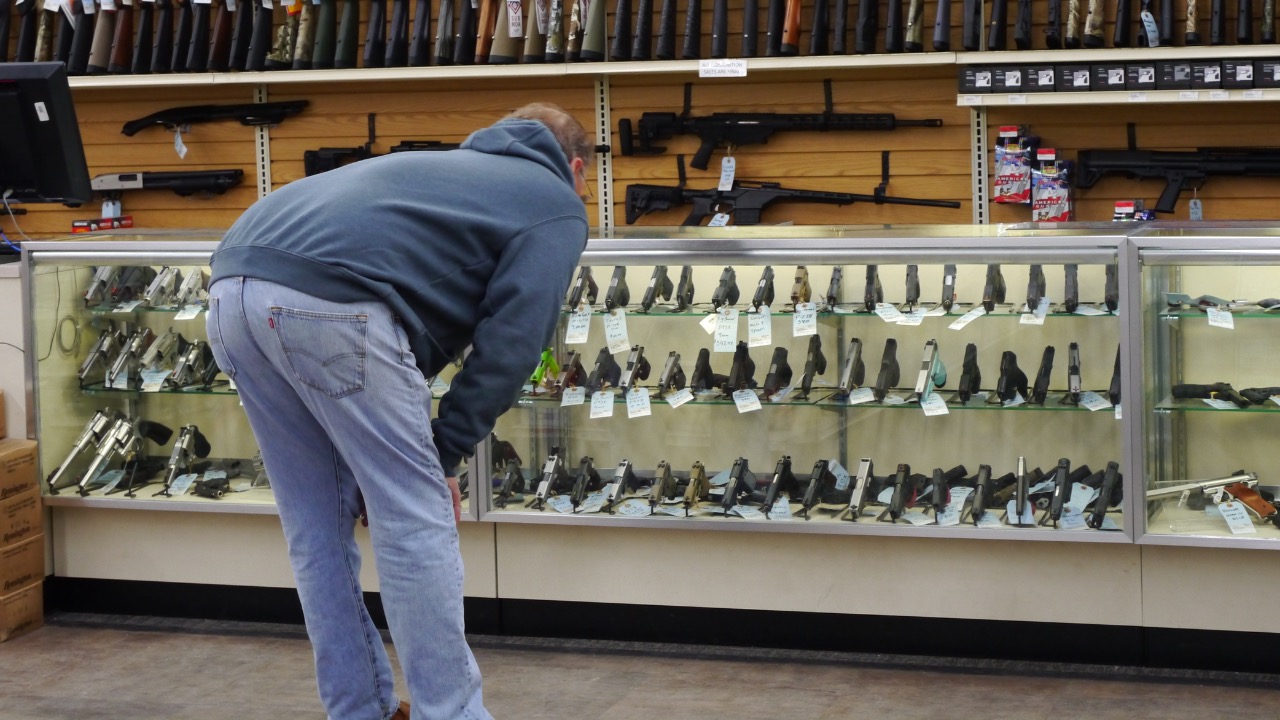
Most people walk up to the glass already feeling behind. Firearms have their own language, and the person standing on the other side of the counter usually talks it fluently. They handle pistols and rifles all day, they can rattle off model numbers, and they often carry a visible sidearm, which creates a natural sense of authority. In one behind the scenes account, a clerk describes a customer asking, “Do you own any guns,” and answering by pointing to the Glock on his hip, a small moment that shows how the visual of a holstered pistol can amplify that expert aura.
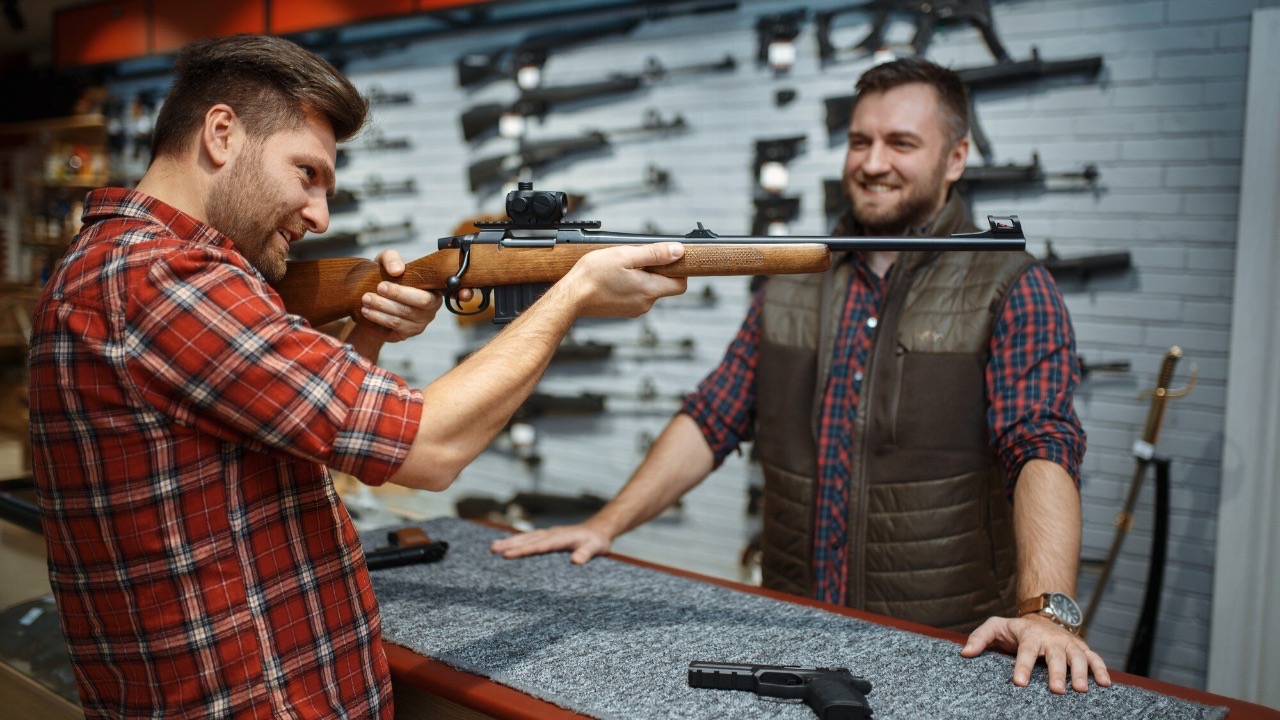
That authority effect is even stronger for new buyers who have been told to “go to a shop and let them walk you through it.” Guides aimed at first timers describe how you simply approach the counter, get an employee’s attention, and then answer a series of questions while they hand you a few pistols to try before you make a final decision, framing the clerk as the natural leader of the process rather than a salesperson with limited time and their own preferences. When you combine that with the social pressure of a busy store and a line behind you, it is easy to nod along instead of slowing things down and making sure the advice actually fits your life.
When confidence turns into bad advice
Plenty of counter talk is not malicious, it is just someone repeating what worked for them or what they heard from the last guy. The problem is that those opinions can be delivered with so much certainty that a new shooter treats them as fact. One community reminder aimed at new owners flatly warns that not all shop employees are “experts,” and that some will confidently give out guidance that is incomplete, outdated, or flat wrong, especially on topics like carry methods, storage, and defensive ammunition, which can leave a buyer with a setup that feels reassuring but is not actually well thought out.
Online, you can see the fallout from that dynamic in the stories people tell about their worst counter experiences. In one discussion of concealed carry advice, a user describes a Gun shop Boomer steering them away from a compact 9 millimeter toward a tiny .45 pistol, hyping “StAHPpin PoWaH” and a “Grip safety = MOAR” as if those slogans settled the question. That kind of pitch ignores recoil management, capacity, and the shooter’s actual experience level, but it is exactly the sort of thing a nervous first timer might accept without pushing back.
Bias, incentives, and the guns they push
Every salesperson has biases, and gun counters are no different. Some of it is personal taste, the brand they shoot on weekends, or the platform they learned on. One liberal gun owner points out that Most shop “dudes” are happy to talk and share what they know, but they also have their own brand loyalties and pet theories that color what they recommend. That can be harmless when you already know what you want, but it can quietly steer a new buyer toward whatever fits the clerk’s preferences instead of the customer’s needs.
There are also hard business incentives at play. Industry reporting describes how dealer incentive programs reward stores when They move certain models or brands, sometimes with extra margin or bonuses that make those guns more attractive to sell. On the customer side, shooters have noticed that shops often stock large cases full of pistols they quietly bad mouth, which led one buyer to ask why stores carry so many guns they do not recommend, including full size options like a Beretta 92fs for people who came in asking for a small concealed carry pistol. The result is a confusing mix of inventory, personal bias, and financial motivation that the customer has to sort through in real time.
Skill, training, and the limits of the sales role
One of the biggest misunderstandings at the counter is what the employee’s job actually is. Their primary role is to move product, handle background checks, and keep the line moving, not to provide a full defensive shooting curriculum in ten minutes. A detailed guide for new buyers spells this out bluntly, listing “What a sales associate should not do,” and putting “Train you on the spot” right at the top, with the reminder that even if a clerk also teaches classes, that does not turn a quick sales interaction into a proper lesson on safe handling and defensive tactics.
That gap shows up in the way some employees answer questions about carry methods, storage, or legal use of force. A first time buyer might ask how to carry concealed, and instead of being referred to a class or a state specific resource, they get a quick personal opinion that may or may not match local law. One video on navigating the counter points out that big box stores and small mom and pop shops both have staff who are passionate but not necessarily trained educators, and that the person behind the glass on a given day might be a part timer who learned most of what they know from other clerks rather than formal instruction, which is why you should treat any quick tip as a starting point, not the final word.
Customer experiences: from helpful to hostile
Ask around and you will hear both ends of the spectrum. Some buyers describe walking into a shop, being treated with respect, and getting patient, thoughtful help. Others talk about being talked down to, rushed, or fed nonsense. One liberal gun owner shared a reminder that not all shop staff are “good people,” recounting how some employees have been openly hostile or dismissive toward customers who did not fit their political assumptions, which is a fast way to shut down honest questions and push a new shooter back out the door without the gear or knowledge they came for.
On the more subtle side, a long running thread about bad counter experiences includes a story where a customer asked, “Sir can I get a box of your 165 g PDX1’s,” only to be told they did not “need dem hollow points” because the clerk had “seen plenty of gooks get killed plenty good” with ball ammo. That exchange is a case study in why you cannot assume the person behind the counter is up to speed on modern defensive standards or even willing to talk about them in a professional way. It also shows how quickly a simple purchase can turn into a lecture that mixes bad tactics, bad language, and bad advice.
Red flags that the advice is off
There are patterns that should make you slow down and reassess what you are hearing. One is the clerk who dismisses your questions and jumps straight to a hard sell, especially if they ignore your hand size, experience level, or physical limitations. A behind the counter write up describes common “bingo card” moments, like employees asking odd questions about whether you own any guns without following up to understand your actual skill level, or making snap recommendations without asking why you want a firearm in the first place, which is a sign they are working from a script instead of listening.
Another red flag is when the advice leans on slogans instead of reasoning. The .45 “StAHPpin PoWaH” pitch is one example, but you see the same thing when a clerk insists that a tiny pocket pistol is “all you need” for home defense or that a particular brand is “junk” without explaining why. In a thread about bad shop experiences, one buyer said they now get most of their gear from online retailers because, in their words, More often than not, local stores gave them attitude or tried to steer them toward whatever was dusty in the case. If the explanation never gets deeper than “trust me” or “this is what cops use,” you are not getting real guidance.
How to prepare before you ever step inside
The best way to protect yourself from bad counter advice is to walk in with a baseline of knowledge. That does not mean you need to become a ballistics engineer, but you should know the basic categories of firearms, the legal process in your state, and roughly what role you want the gun to fill. One etiquette guide aimed at women stresses “Research Before Buying,” encouraging shoppers to read up, talk to trusted shooters, and even rent a few models at a range before they ever start filling out paperwork, so the counter conversation becomes a check on your thinking instead of the only input you have.
There are also practical steps that make the interaction smoother. A first handgun guide suggests walking up to the counter, getting the employee’s attention, and then being ready to answer questions about your experience and intended use so they can pull a few appropriate options for you to handle, rather than letting them grab whatever is closest. That same advice encourages you to handle “a few weapons before making a final decision,” which is a polite way of saying you should not let anyone rush you into the first pistol they hand across the glass. The more you have thought through your needs ahead of time, the easier it is to steer the conversation back on track if the clerk starts drifting into their own preferences.
Questions that turn a sales pitch into a real conversation
Once you are at the counter, the questions you ask can either expose weak advice or confirm that you are talking to someone who knows their stuff. Instead of asking, “What gun should I buy,” try, “Here is what I want to use it for and my experience level, what would you recommend and why.” Then follow up. Ask what training they suggest, what holsters actually work with that model, and what common issues new shooters have with it. One behind the scenes account urges customers to ask employees why they make certain recommendations, not to grill them, but to understand their reasoning and spot when it is based on personal habit instead of solid information, which is especially important when the clerk’s first question is something vague like whether you “own any guns” without digging deeper.
It also helps to recognize that some staff are more helpful than others. A liberal gun owner notes that most shop workers are excited to share what they know, but they also bring their own brand biases, so you should treat their input as one data point rather than a verdict. If you get a bad vibe, or if the answers are thin on detail, you can always thank them, step away from the counter, and look up independent reviews or training resources on your phone before you commit. Turning the interaction into a two way conversation instead of a one way lecture gives you room to separate useful insight from noise.

Asher was raised in the woods and on the water, and it shows. He’s logged more hours behind a rifle and under a heavy pack than most men twice his age.