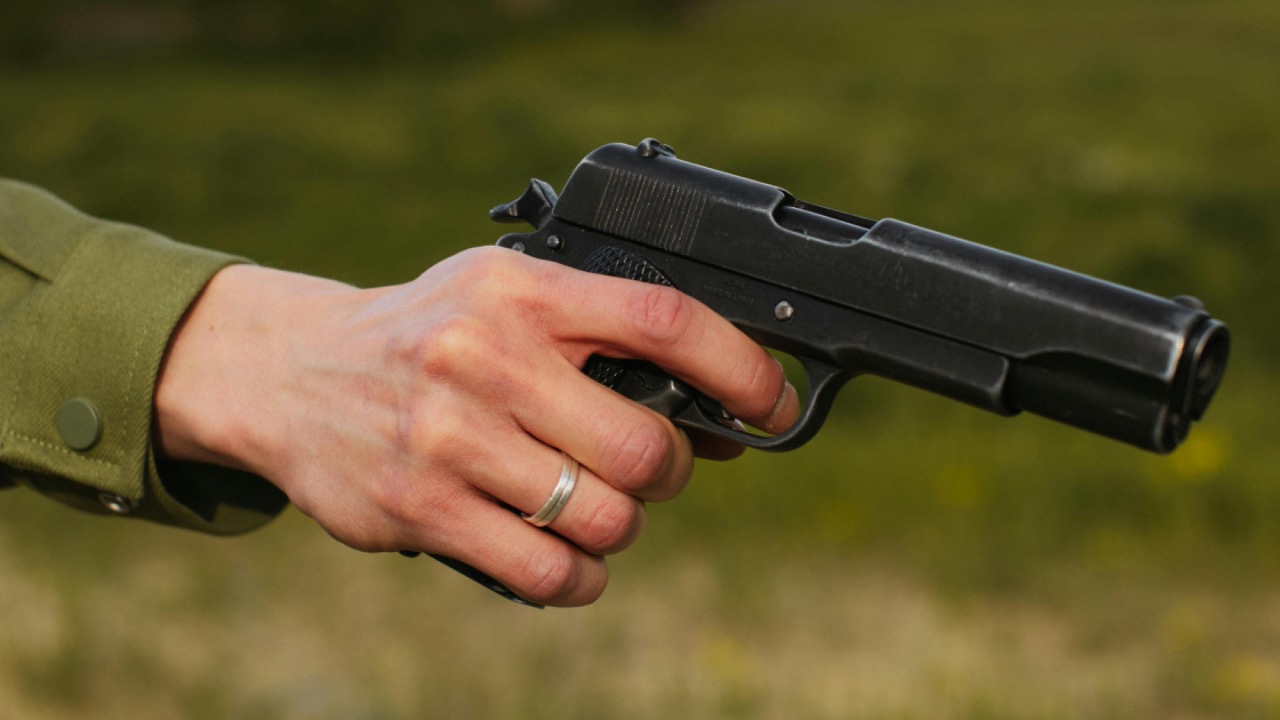
Why Many Experienced Carriers Skip Full-Size Pistols
Spend enough years carrying a handgun and your priorities start to change. Early on, a full-size pistol feels reassuring. Longer sight radius, higher capacity, softer recoil. On the range, it makes sense. On your hip for 10 hours a day, it’s a different story.
Seasoned carriers tend to make decisions based on daily reality, not range performance. They’ve lived with the weight, fought with wardrobe choices, and adjusted holsters more times than they can count. Over time, many quietly downsize—not because full-size pistols don’t work, but because carry comfort and consistency matter more than theoretical advantages.
The Grip Is What Prints
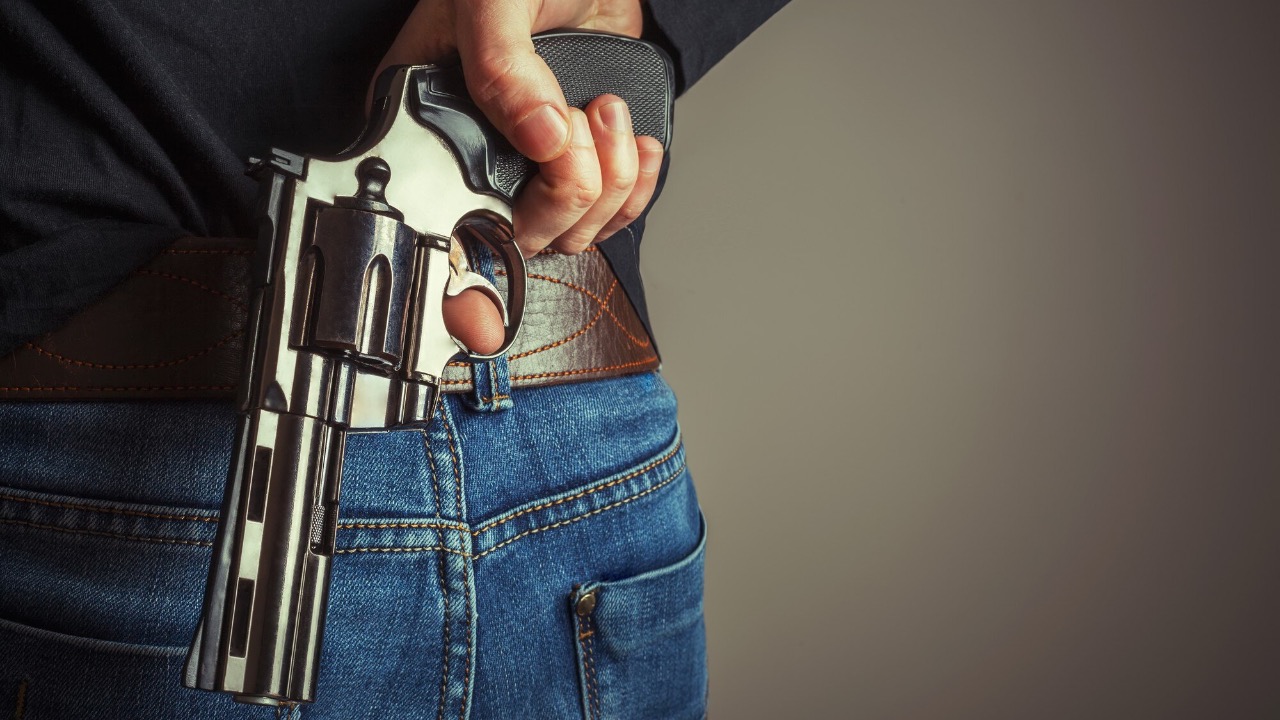
You can hide a long slide easier than you think. It’s the grip that gives you away. The butt of a full-size pistol pushes outward when you bend, twist, or sit. Even with a quality holster, that extra grip length can print through light cover garments.
Experienced carriers know concealment failures usually happen in motion. Getting out of a truck, reaching overhead, hugging someone—it’s the grip that flashes. A slightly shorter grip frame often solves that without sacrificing control. After enough close calls with printing, many carriers decide the tradeoff isn’t worth it.
Weight Adds Up Over Time
A full-size pistol might not feel heavy when you strap it on in the morning. By mid-afternoon, it’s a different conversation. Add a loaded magazine, optic, and weapon light, and you’re carrying significant weight on one side of your body.
That weight changes how you move. It pulls at your belt, shifts your posture, and can aggravate your lower back or hips. Seasoned carriers pay attention to long-term comfort. If a lighter compact keeps you carrying consistently instead of occasionally leaving the gun at home, that’s the smarter choice.
Sitting Is Where It Gets Real
Standing at the range doesn’t tell you much about concealed carry. Sitting in a car, at a desk, or in a restaurant booth does. Full-size pistols—especially with longer slides—can dig into your thigh or press into your abdomen when seated.
Appendix carriers feel it quickly. Strong-side carriers deal with pressure against the seat back. Over time, discomfort leads to constant adjustments, which defeats discreet carry. Experienced carriers learn that if the gun isn’t comfortable while seated for long stretches, it’s not practical for everyday life.
Modern Compacts Shoot Better Than They Used To
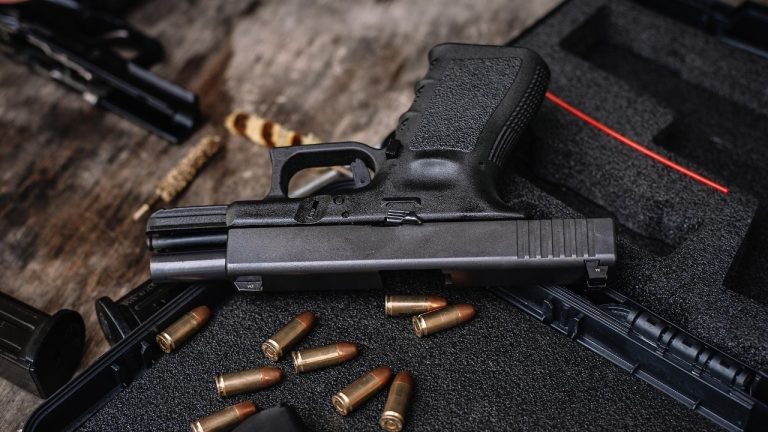
Ten or fifteen years ago, downsizing meant giving up shootability. That gap has narrowed. Today’s compact and even some subcompact pistols offer excellent triggers, solid ergonomics, and optics-ready slides.
With proper training, many shooters run compacts nearly as well as full-size guns inside defensive distances. The recoil difference is noticeable but manageable. When performance margins shrink and concealment improves, experienced carriers often see little reason to carry more gun than necessary.
Belt and Wardrobe Demands
A full-size pistol demands a serious belt and thoughtful wardrobe choices. Thin belts sag. Light summer clothing prints. Athletic wear complicates everything.
Experienced carriers tend to prefer setups that integrate easily into daily life. If carrying requires dressing around the gun every single day, fatigue sets in. A slightly smaller pistol provides more flexibility without forcing constant adjustments to clothing. Over time, convenience wins.
Seasonal Carry Matters
In colder months, a full-size pistol hides easier under heavier layers. In summer, it becomes more complicated. Light shirts and minimal cover garments expose flaws in concealment.
Many experienced carriers rotate guns seasonally. When temperatures climb, they often move to something shorter in grip and slide length. The ability to adapt to climate without compromising concealment plays a major role in why full-size pistols get left in the safe during warmer months.
Fatigue During Long Days
Carrying isn’t static. You’re walking, bending, driving, lifting. A heavier pistol amplifies fatigue during long days. Even subtle discomfort can affect your mood and focus.
Seasoned carriers prioritize sustainability. The goal is to carry every day without resentment. A compact or midsize pistol reduces strain while still offering sufficient capacity and control. When fatigue drops, consistency rises—and consistency matters more than carrying the largest handgun you can manage.
Access Speed in Tight Spaces
Full-size pistols can be slower to draw in confined spaces. Inside a vehicle or seated at a table, longer grips and slides complicate access angles.
A slightly shorter pistol often clears clothing and seat belts more efficiently. Experienced carriers think through worst-case scenarios realistically. If access is awkward in common daily environments, that’s a problem. For many, downsizing improves accessibility without compromising reliability.
Overbuilding for Realistic Distances
Full-size pistols shine at longer range sessions, but defensive encounters typically occur at short distances. The extended sight radius and marginal recoil reduction may not provide a meaningful advantage in close quarters.
Experienced carriers evaluate real-world context. Inside typical defensive ranges, compact pistols perform extremely well. When the practical difference narrows, comfort and concealment take priority over theoretical performance at 25 yards.
The “Always On You” Factor
The best carry gun is the one you actually carry. Full-size pistols are excellent fighting tools, but if they’re uncomfortable or inconvenient, they get left behind more often than people admit.
Seasoned carriers understand this better than anyone. A slightly smaller pistol that disappears under everyday clothing and rides comfortably through long days increases the odds that you’ll have it when it matters. And at the end of the day, consistency beats capacity.
Changing Priorities With Experience
Early in your carry journey, confidence often comes from size and capacity. With experience, confidence shifts to training, awareness, and consistency.
Many experienced carriers realize they don’t need the biggest pistol available to feel prepared. They need something reliable, controllable, and comfortable enough to carry without thinking about it. That’s why full-size pistols, despite their strengths, often get replaced by more practical options over time.

Asher was raised in the woods and on the water, and it shows. He’s logged more hours behind a rifle and under a heavy pack than most men twice his age.