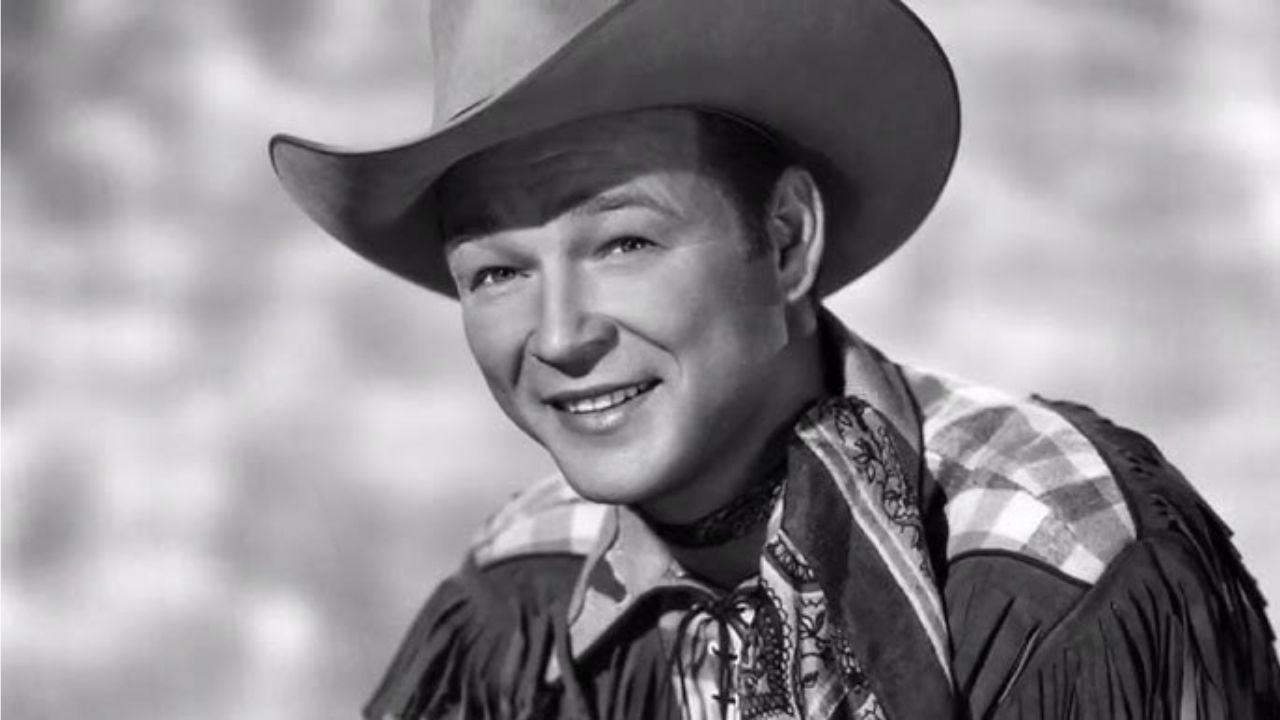
What cowboys really ate in Wild West saloons — and what Hollywood got wrong
On screen, the Wild West saloon is a place of whiskey, poker and the occasional bar fight, but almost never a plate of food. In reality, those crowded rooms doubled as rough-and-ready restaurants, feeding cowboys, miners and townsfolk who might not see a proper kitchen for weeks. What they ate was shaped by long cattle drives, Mexican vaquero traditions and the brutal economics of frontier supply, not by the neat steaks and perfect pies that Hollywood likes to serve.
When I look at what cowboys really ordered at the bar, a more complicated picture emerges: cheap cuts, day-old bread, organ meats and stews that could stretch a carcass as far as possible. Some saloons offered elaborate Sunday spreads to impress local elites, while others barely managed a pot of beans. The gap between that reality and the polished myth says as much about how the West is remembered as it does about what was actually on the plate.
Why saloons mattered far beyond the whiskey glass
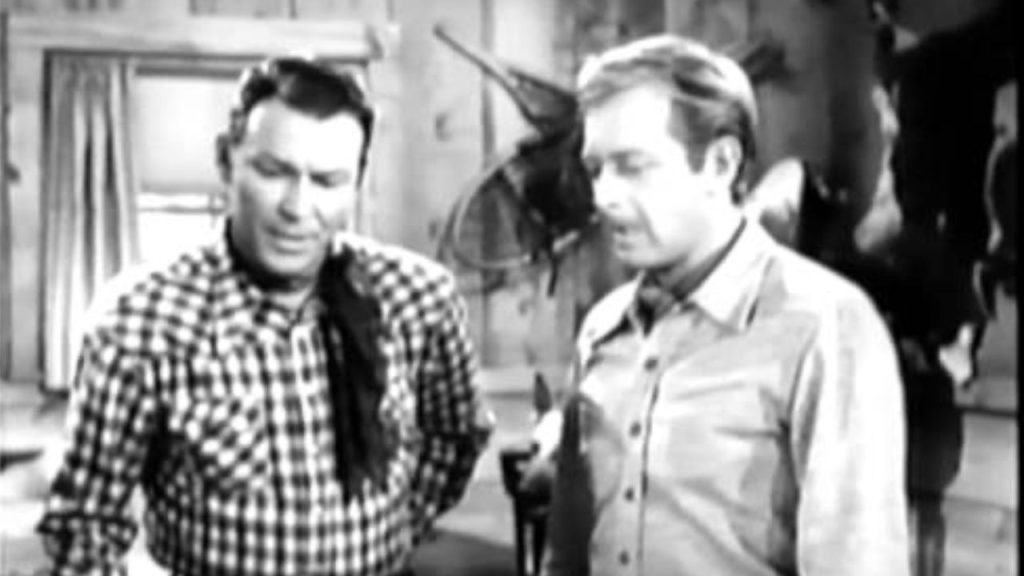
To understand what cowboys ate, I first have to understand what saloons were for. They were not just drinking dens but multipurpose hubs where cattle hands collected wages, ranchers struck deals and travelers picked up news from the trail. In many towns, the barroom was one of the only public interiors large enough to host meetings, card games and informal hiring halls, so food naturally followed the crowds that gathered there.
That social role helps explain why saloons became such central backdrops in Western storytelling. Commenters like Drew Ingram describe how They functioned as clearing houses for information and meetings, not just places to get drunk. If a cowboy wanted to hear about a new cattle contract, find a card game or line up work on the next drive, he went to the bar, and if he was hungry, he expected at least something hot or filling to be available alongside the whiskey.
Hollywood’s silent plates versus the real saloon table
Film and television have trained viewers to see the Old West Saloon as a stage for gunfighters, not cooks. Extras lean on the bar, the piano player hammers away, and the camera lingers on shot glasses, but the tables are mysteriously bare. That visual shorthand suggests that cowboys drank hard and skipped meals, or that food was a separate, almost irrelevant part of frontier life.
Historical accounts and modern interpreters tell a different story. In one detailed Video Transcript, the host points out that when you see an Old West Saloon in a TV show or a movie, they are always drinking but never eating, even though people in those rooms absolutely expected meals. That gap between what the camera shows and what the historical record describes has helped erase the everyday reality of saloon fare, which was often as important to survival as the liquor on the shelf.
From vaqueros to chuckwagons: how Cowboy tastes shaped saloon menus
The food culture that followed cowboys into town did not start in Hollywood or even in the United States. Much of the trail diet was inherited from the vaqueros of Mexico, who had been driving cattle and cooking on the move long before Anglo ranchers arrived. When those traditions mixed with the realities of Texas ranching and long drives north, they produced a repertoire of beans, dried meat, coffee and simple breads that cowboys expected to find again when they stepped into a saloon.
One detailed history notes that Much of the food that a Cowboy ate was influenced by the vaqueros of Mexico and the cattle culture of Texas, from dried beef to simple flour-based staples that could be cooked in a pan. Depending on the area, cowboys might soak hard biscuits in water or milk before eating, a habit that carried over into town when saloon cooks served day-old bread or hardtack alongside stews and coffee. The result was a frontier menu that blended Mexican techniques with Anglo tastes, long before anyone called it fusion.
What the fancy rooms served: Wyatt Earp, Doc Holliday and Sunday dinner
Not every saloon was a rough plank shack with a single pot of beans. In boomtowns that attracted gamblers, lawyers and lawmen, some proprietors invested in full dining rooms and ambitious menus. In Wyatt Earp and Doc Holliday did not always eat like trail hands, and when they were in places like Tombstone, they could sit down to meals that would not have looked out of place in a city hotel.
One account of saloon life describes how, in Tombstone, the Occidental Saloon laid on a Sunday dinner designed to tickle Doc Holliday’s fashionable palate, with multiple courses and more refined dishes than the average cowboy ever saw. That same source notes that In Wyatt Earp’s circle, such meals were social theater as much as sustenance, a way for owners to show off prosperity and attract high-rolling clientele. The contrast between that polished dining room and the bare-bones fare of a trail saloon is one of the sharpest divides that Hollywood often flattens into a single generic barroom.
Plain saloons, tough meat and the economics of frontier food
Most cowboys did not eat in ornate establishments, they crowded into plain rooms where the food was cheap, filling and rarely glamorous. These saloons worked with whatever they could haul in by wagon or rail, which usually meant tough cuts of beef, salt pork, beans, onions and flour. The goal was to keep bellies full at the lowest possible cost, not to impress anyone with presentation.
A detailed writer’s guide to the period notes that the more plain saloon would offer simple fare like stews and roasts, and that some owners were more generous than others with the amount of meat in the pot. That same source explains that more plain saloon might stretch a single carcass over many days, relying on gravy and bread to make up the difference. For a working cowboy, the choice was often between that kind of meal and nothing at all, which made even a thin stew worth the coin.
Campfire reality: beans, biscuits and the parts Hollywood leaves out
On the trail, away from town, the gap between myth and reality widens even further. Popular images linger on perfect steaks sizzling over open flames, but the daily reality was repetitive and often unappetizing. Beans, coffee and biscuits dominated, with occasional fresh meat when a cow was injured or slaughtered, and very little in the way of fresh vegetables or fruit.
Modern interpreters who urge viewers to Forget Hollywood emphasize that the romantic campfire scenes leave out the monotony and the risk of foodborne illness. One video framed as You Won and Believe the Foods Cowboys ACTUALLY ATE points out that spoiled meat and contaminated water killed more cowboys than gunfights, a reminder that the real danger often sat in the pot, not in the holster. That perspective, preserved in a clip that notes how You Wonshould Believe the Foods Cowboys ACTUALLY ATE, undercuts the idea that frontier meals were hearty feasts and instead casts them as a daily gamble with limited preservation and long supply lines.
Calf Fries, organ meats and the nose-to-tail frontier
One of the starkest differences between real cowboy food and its screen version is the use of organ meats and offal. Hollywood rarely shows a hero tucking into a plate of testicles or kidneys, but on the range, wasting edible parts of an animal was unthinkable. When cattle were castrated during roundups, the results did not go into the trash, they went into the pan.
Historian Richard W. Slatta describes how cowboys enjoyed a delicacy known as Calf Fries, also called mountain oysters or prairie oysters, which were cooked up fresh at roundup and shared among the crew. In his account of cowboy grub, he notes that Calf Fries were part of a broader nose-to-tail approach that also included organ meats and any cut that could be boiled or fried before it went bad. That kind of resourcefulness occasionally carried into saloons, where fried oysters of the prairie variety might appear as a special, even if no scriptwriter ever thought to put them in a barroom scene.
From Wild West Saloons to modern “cowboy cuisine”
Today, chefs and food writers mine this history to create updated versions of frontier dishes, often with far better ingredients and equipment than any chuckwagon cook ever saw. The idea of “cowboy cuisine” has become a marketing hook for restaurants that lean on smoked meats, cast-iron cooking and rustic presentation, even as they serve customers who have never ridden a horse. In that process, some of the grittier realities, like spoiled meat or organ-heavy menus, tend to fall away.
One modern chef profile highlights how Others are sharing their expertise through favorite techniques, including slow smoking and braising that echo trail methods. Chef Dave Swanson of Braise in Milwaukee is cited as preferring braising as a technique for tough cuts, a nod to the way frontier cooks turned stringy beef into tender stews. In that discussion of Cowboy Cuisine, smoked, slow cooked and simple dishes like stews, fried steaks and more are framed as a culinary heritage, even if the modern plate is far more generous than what a trail hand would have recognized.
Reconstructing the real menu: recipes, memory and myth
Because few saloons kept detailed menus, much of what I know about their food comes from memoirs, cookbooks and modern reconstructions. Enthusiasts sift through diaries, newspaper ads and surviving recipes to piece together what might have been served in a given town, then test those dishes in contemporary kitchens. The result is a blend of scholarship and experimentation that tries to honor the constraints of the time while making the food palatable to modern tastes.
One such project walks through 25 Cowboy Foods Served at Wild West Saloons, presenting recipes as a celebration of resourcefulness wrapped in a crackling crust. The host asks whether these 25 recipes were really served at Wild West Saloons, then uses historical clues to argue that many of them, from fried pies to hearty stews, would have been familiar to working cowboys. That video, which frames its list as a look at Wild West Saloons, underscores how much detective work goes into reconstructing a menu that Hollywood mostly ignored.
Why the food story of the West still matters
Looking closely at what cowboys ate in saloons and around campfires changes how I see the West itself. Instead of a landscape of lone gunmen and glamorous gamblers, it becomes a place where survival depended on beans, biscuits and whatever could be stretched into one more meal. The food tells a story of scarcity, cultural exchange and improvisation that is every bit as dramatic as a showdown at high noon, even if it rarely makes it into the script.
When I compare the historical record to the way the Old West Saloon appears on screen, the omissions are as revealing as the embellishments. The absence of plates, the erasure of Mexican influence and the silence around dishes like Calf Fries all flatten a complex reality into a simple backdrop. Revisiting sources that detail saloon fare, from the Occidental Saloon’s Sunday dinner to the plain rooms that barely managed a pot of stew, helps restore that missing texture. It reminds me that the West was not just built on bullets and bravado but also on coffee, tough bread and the kind of meals that kept a Cowboy upright long enough to ride back out of town.

Leo’s been tracking game and tuning gear since he could stand upright. He’s sharp, driven, and knows how to keep things running when conditions turn.