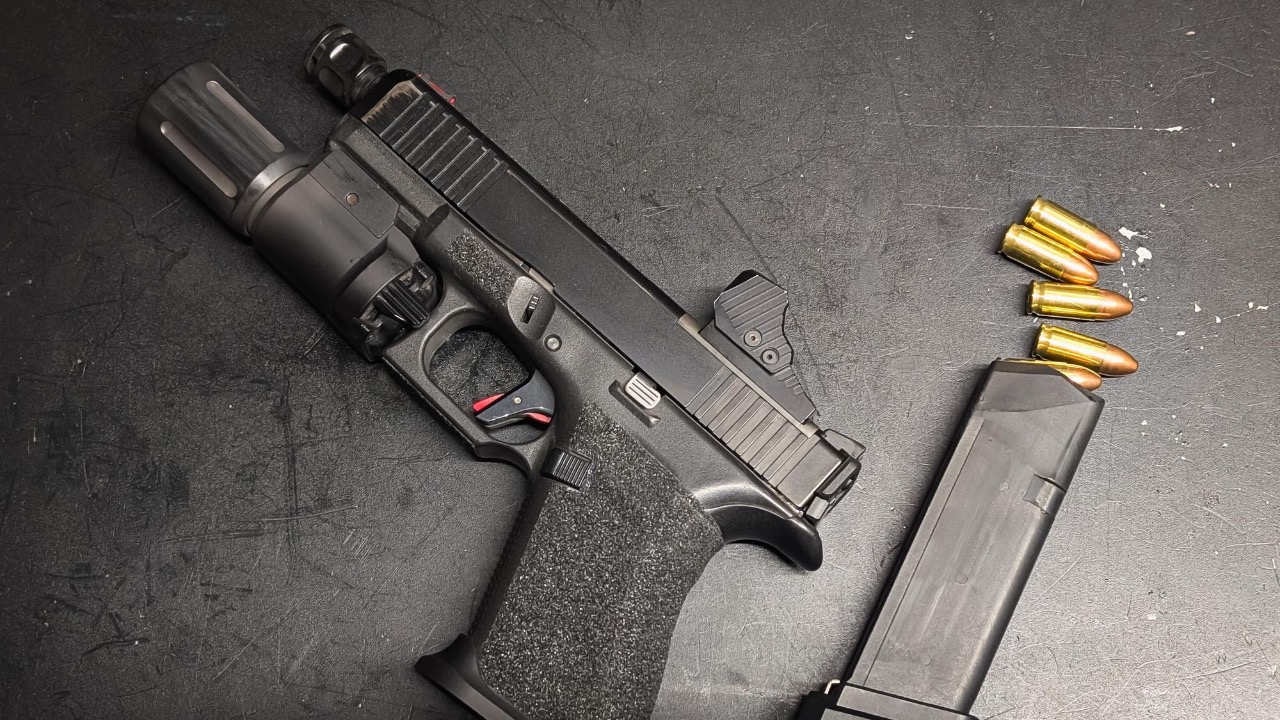
The firearm upgrade that doesn’t actually improve performance
Walk any firing line and a pattern appears quickly: rifles and pistols covered in aftermarket parts, from skeletonized triggers to colored buffer springs, while the shooters behind them still struggle with basic fundamentals. The industry sells a constant stream of “performance” parts, yet experienced instructors and gunsmiths repeatedly report that one common upgrade does little to help and often makes reliability worse. The most overrated change is the lightened spring or trigger kit that promises instant skill but usually delivers a finicky firearm and no measurable gain on target.
The upgrade everyone wants, and why it disappoints
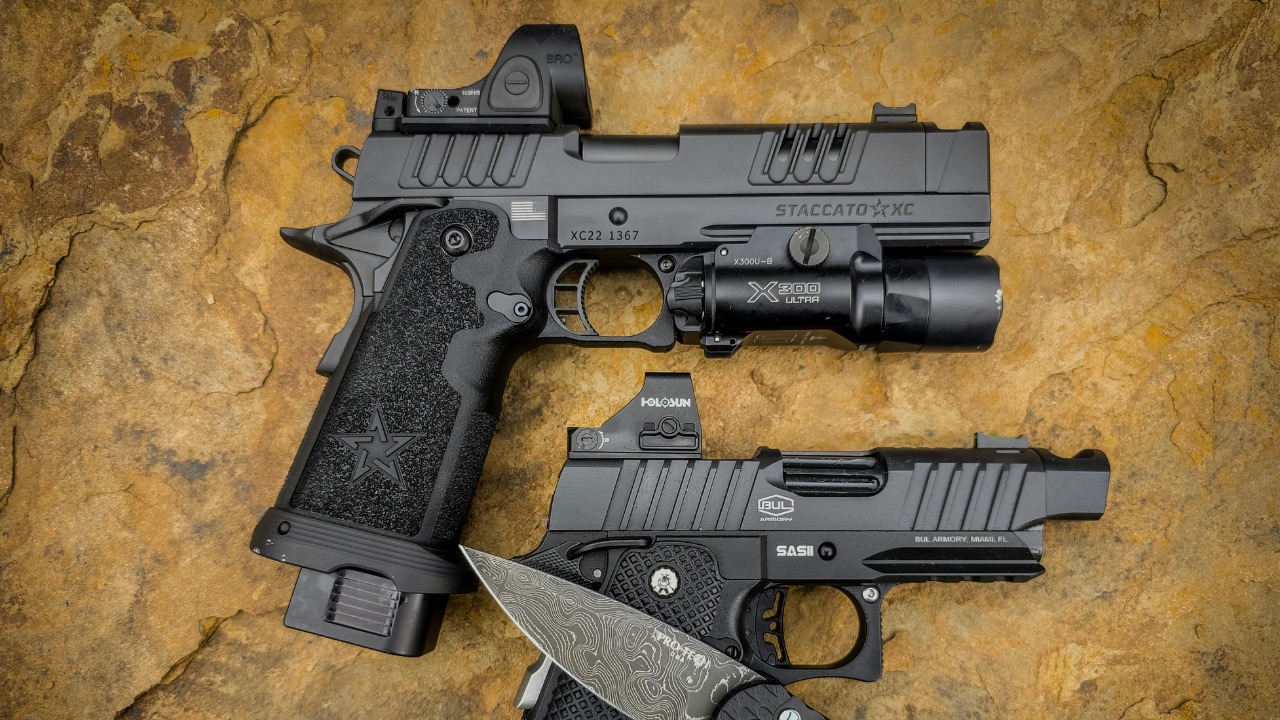
Among hobbyists, the first impulse after buying a new AR or pistol is often to swap springs and trigger parts. Lighter recoil springs, reduced-power hammer springs, and ultra-light connectors are marketed as shortcuts to smoother shooting. In reality, many seasoned shooters caution that these parts rarely improve real performance for typical users and can introduce feeding problems, light primer strikes, or inconsistent cycling.
In one discussion, Jeff Hurst argued that he is “highly against messing with springs” and warned that underpowered springs cause issues, while a standard weight spring is known to last a long time. His comments, shared in an Oct thread, reflect a view that many armorers share: springs are engineering components, not fashion accessories, and downgrading them in the name of comfort can compromise the system.
Trigger kits follow a similar pattern. Lighter connectors and springs are sold as a way to “fix” a factory trigger that already meets defensive standards. For most shooters, though, the change in split times or accuracy is marginal compared with what they would gain from structured practice. The upgrade feels dramatic when dry firing at home, but on the clock and under stress, the difference is often swallowed by human inconsistency.
What actually changes firearm performance
When gunsmiths talk about meaningful performance gains, they usually start with changes that alter the way the bullet is launched, not the way the trigger feels. A discussion of major modifications listed “caliber change” and rebarreling as some of the biggest ways to transform how a firearm behaves. One explanation noted that a firearm can, within reason, be rechambered or rebarreled to accept a different cartridge and that this kind of change affects recoil, trajectory, and terminal ballistics in a way that no cosmetic part can match. That assessment appeared in an answer that began with the phrase “Probably the biggest ones,” and it framed caliber and barrel work as core performance levers.
Barrel fit and quality also matter far more than a lighter spring. In a discussion among gunsmiths, one contributor explained that he was “probably 7-10K rounds from the accuracy of the stock bushing set-up degrading noticeably” and that a new bushing would be much less expensive than a whole new barrel. He emphasized that he would hit his own limits before the mechanical accuracy of the pistol forced a change, and his comments in that Oct discussion show how experienced shooters think about wear: barrels and bushings set the ceiling, and most shooters never reach it.
Ammunition choice further illustrates the point. One shooter asking about .22 Long Rifle performance in a Ruger 10-22 reported hearing that faster FPS ammunition is not necessarily good for accuracy. The question, posted in a thread about whether gradually increasing FPS in a Ruger 10-22 would affect groups, highlighted that velocity, bullet design, and barrel harmonics interact in complex ways. The response noted that faster FPS ammunition in a Ruger 10-22 is not necessarily good for accuracy, which again undercuts the idea that a lighter trigger or spring is the primary path to tighter groups.
What the data says about aftermarket mods
Where enthusiasts often argue from feel, some instructors have tried to measure outcomes. One training group documented an Analysis of shooters who used modified pistols versus stock guns. The write-up described how reloading a subcompact gun is slow compared with a full-size pistol and how a different mag release made it easier to get the magazine out. Yet even with an improved control, the biggest time gains still came from practice and better technique.
The same analysis observed that reloading a subcompact gun is slow compared to reloading a full size pistol and that the mag release made it easier to get the magazine out, but the overall effect on match scores was modest. The author concluded that while certain ergonomic changes can smooth loading and unloading of the pistol, they do not substitute for repetitions under pressure. The research methods were simple but revealing: time drills, compare gear, then look at the numbers instead of the marketing.
Additional products cited in that work, such as a softer trigger spring for a Crosman 1377 described on legally armed, or a G42/G43 edge connector offered by Ghost connectors, show how many small parts are sold on the promise of better performance. There are also extended magazine releases and slide racker accessories, like the tac mini release and the Vickers slide racker from TangoDown, that aim to speed manipulation. Each may offer a narrow benefit, but the analysis suggests that without structured training, the shooter’s results barely move.
The trigger myth and the defensive gun
Trigger upgrades sit at the center of this debate. Many owners believe that a lighter, crisper break will instantly tighten groups and shave seconds off drills. Yet one detailed discussion of defensive pistols argued that a normal trigger from Smith & Wesson, M&P, FN, CZ, or a Glock 19 is generally built with a pre-travel take-up, a defined wall, and a reasonable break weight that balances control with safety. The author warned against chasing ultra-light pulls on guns meant for carry or home defense.
That warning appears in a piece that lists three reasons not to change a defensive trigger and describes how the mush or slack in a stock unit serves as a tactile cue, not a flaw. The argument is that a standard trigger from brands like Smith, Wesson, and Glock is designed to manage stress, imperfect grip, and real-world handling. From that perspective, the shooter gains more by learning the feel of the existing trigger than by installing a kit. The article is hosted on a site that also curates an Amazon gear list, but the core message is restraint: leave a defensive trigger alone unless it is defective.
The same content is widely shared, including through social links that invite readers to spread the “3 Reasons You Should NOT Upgrade Your Gun’s Trigger” message. One share link on Facebook encourages readers to pass along the argument against unnecessary trigger work, and that Trigger warning has been replicated on Facebook share, X posts, LinkedIn shares, and Pinterest pins. The repetition underscores how strongly some instructors feel that tinkering with a carry gun’s fire control is a mistake.
Experienced voices say: stop buying, start shooting
Across forums and social media, a recurring theme emerges. One popular comment on an AR-focused discussion board opened with “Some of y’all don’t need another upgrade. You need to actually shoot your rifle.” The same post mocked the weekly cycle of “Best pistol grip ever” and “Game changing charging handle,” then advised readers to “Burn ammo.” The Feb rant captured the frustration of shooters who see gear chasing replace practice.
Video content aimed at new owners often delivers the same message. In one widely shared clip, an instructor named Aug closed his advice by telling viewers not to be in a hurry to spend a bunch of money on upgrades. He argued that the final shot of guidance for most people is simple: learn the gun, shoot it stock, then decide what truly limits performance. That perspective, shared in an Aug video, pushes back against the idea that a parts catalog can substitute for time on the range.
Training-focused blogs echo this stance. One weekly roundup of technical and tactical reading recommended that shooters look at experimental data, not marketing copy, when deciding on modifications. The writer linked back to the earlier analysis of aftermarket parts and urged readers to consider whether a change helped loading, unloading, or accuracy in measurable ways. That advice appeared in a knowledge dump that highlighted how small ergonomic tweaks can help, but only within the context of regular practice.
Where upgrades do make sense
None of this means every aftermarket part is a waste. There are clear cases where modifications solve real problems. For example, shooters with smaller hands may struggle to reach a magazine release on a subcompact pistol. An extended control can make the difference between fumbling and a clean reload. The earlier analysis that timed subcompact reloads showed that a revised mag release did make it easier to get the magazine out, even if the overall benefit depended on training.
Similarly, shooters who compete at a high level or who have specific mission requirements might benefit from carefully chosen parts. A Vickers slide racker on a compact pistol, for instance, can give a more positive grip area for malfunction clearance, which matters when hands are wet or gloved. A G42/G43 edge connector can tune the break for consistency in a narrow performance envelope. However, these are targeted solutions for defined problems, not magic upgrades that turn a novice into a champion.
Even with springs, there are legitimate reasons to change components. A worn recoil spring that no longer returns the slide with proper force should be replaced. In some cases, a heavier spring is appropriate for a hotter load, or a standard weight spring is needed to restore reliability after a previous owner installed a reduced-power version. Jeff Hurst’s comment about sticking with a standard weight spring that is known to last a long time hints at a sensible baseline: start with the factory spec, then adjust only when a specific issue demands it.
The real bottleneck: the person behind the gun
When instructors dissect missed shots or slow runs, the culprit is almost always human. Flinching, poor grip, inconsistent sight picture, and lack of familiarity with the trigger dominate the list. A shooter who jerks a stock Glock trigger will usually jerk an aftermarket one as well, only faster. The same goes for rifles: a shooter who slaps the trigger on a basic AR will still slap it after installing a fancy flat-faced version.
How to evaluate any future upgrade
- Define the problem first. Is the issue that the gun fails to feed, that the shooter cannot reach a control, or that groups open up at a certain distance?
- Ask whether training can solve it. Many reload and draw problems disappear after structured practice, as shown in the timed reload analysis.
- Check whether the change affects core mechanics. Caliber and barrel work, as described in the “Caliber change” discussion, have real ballistic effects. Cosmetic parts usually do not.
- Consider reliability and safety. Jeff Hurst’s warning about underpowered springs and the defensive trigger arguments from Reasons You Should both stress that some “improvements” erode margins of safety.
- Measure before and after. Time drills, record groups, and compare. If a part does not deliver a clear gain, remove it.

Leo’s been tracking game and tuning gear since he could stand upright. He’s sharp, driven, and knows how to keep things running when conditions turn.