Why more serious hunters are moving to tree saddle hunting
Across the whitetail world, some of the most dedicated public‑land and bowhunting specialists are quietly swapping traditional stands for minimalist tree saddles. Influential voices such as Eberhart, long known for aggressive, mobile tactics, now frame saddle systems as the natural fit for hunters who push deeper, move more often, and adapt to pressured deer. As more state hunter‑education programs and major gear brands build content around this style, the shift is reshaping how serious hunters think about elevation, safety, and access.
This trend looks less like a fad and more like a correction: a move away from static, hardware‑heavy setups toward lighter, safer, and more flexible gear that matches how modern hunters already scout and travel. The question is no longer whether saddles work, but why so many committed hunters have decided they cannot afford to be without one.
From fringe tactic to mainstream option
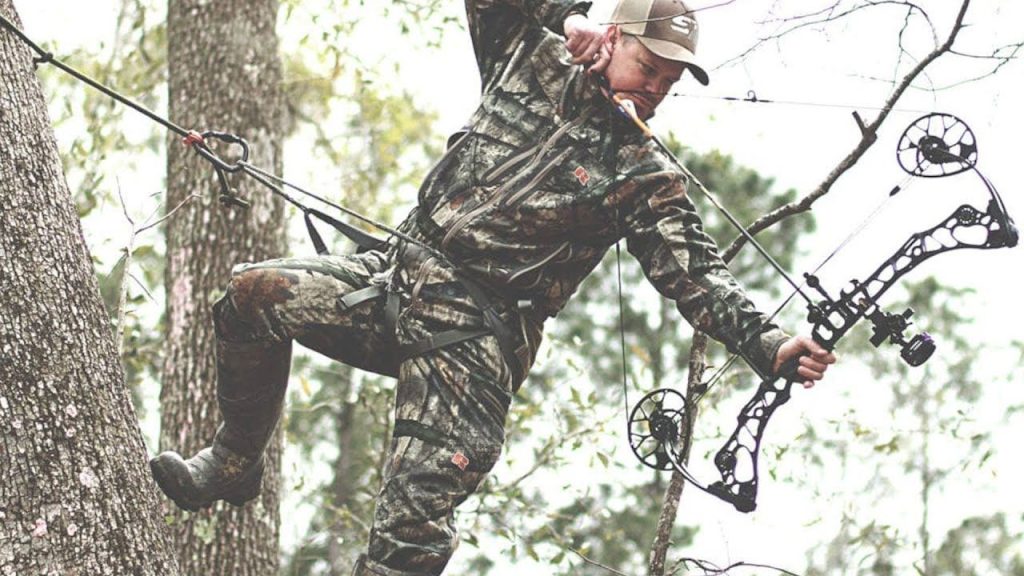
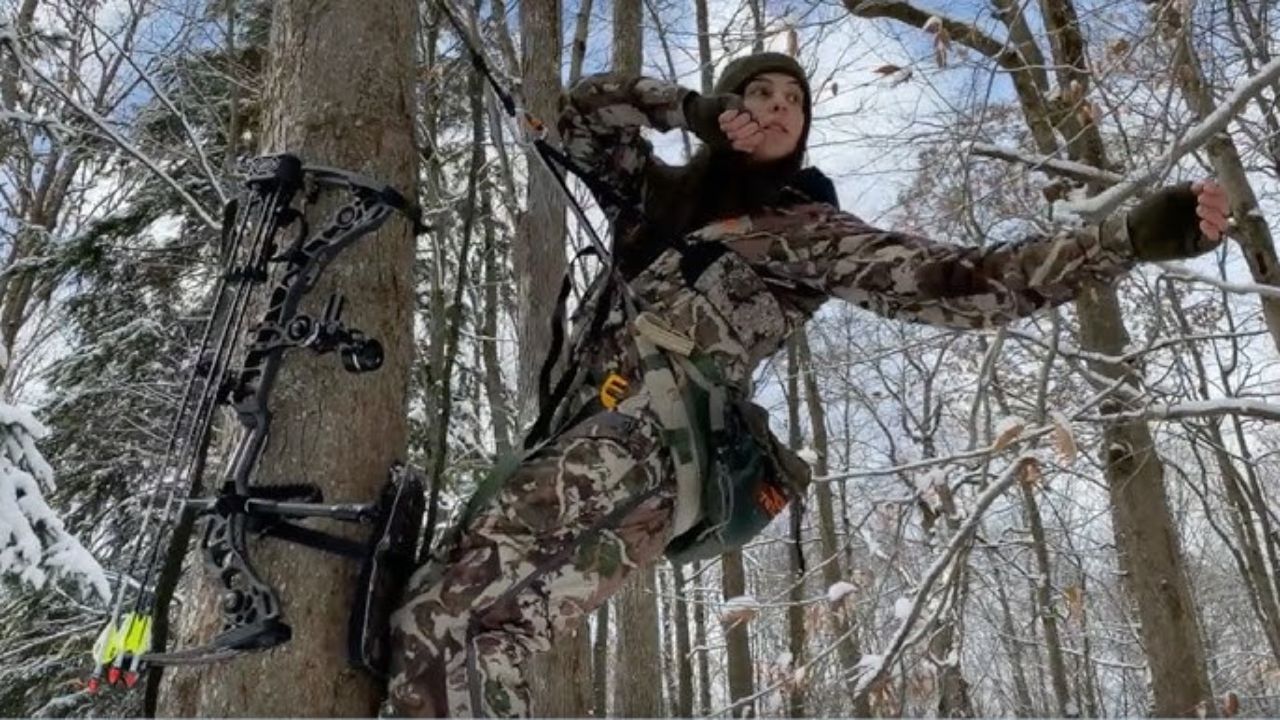
Tree saddle hunting started as a niche technique, but it is now being presented as a standard option alongside hang‑on and climber stands. One gear maker describes Saddle Hunting as a distinct approach to elevated hunting that is rapidly gaining popularity because it changes how hunters interact with the tree itself. Instead of perching on a rigid platform, the hunter wears a fabric Saddle that supports the body while tethered to the trunk, allowing constant micro‑adjustments and a wider range of shooting angles.
That growing interest shows up in education as well as marketing. A dedicated hunter‑education module now walks students through the Benefits of Saddle versus conventional stands, listing advantages in Size, weight, and versatility. When formal safety courses and established hunting communities treat saddles as a core method rather than a curiosity, it signals that the technique has moved into the mainstream toolkit for serious hunters.
Mobility and the “any tree” advantage
The most common reason experienced hunters give for switching is mobility. One national deer group argues that if More Mobile, you can respond to fresh sign instead of forcing deer to pass a pre‑hung stand. With a saddle and compact climbing method, a hunter can slip into a new tree at midday, adjust to shifting winds, or abandon a dead spot after a single sit, all without leaving metal behind or burning a location with repeated access.
That flexibility extends to tree choice itself. One long‑time Saddle user on a dedicated forum lists Flexibility and Mobility in the tree as the top reasons they prefer this style, emphasizing that they can hunt any tree they want and shoot in any direction more easily than from any other type. Another experienced saddle advocate notes that, in practical terms, if you can climb the tree you can hunt from it, and that the ability to pivot around the trunk makes it easier to stay hidden while still covering multiple shooting lanes, as described in a piece on the unmatched Benefits of this method.
Weight, bulk and long‑walk access
For hunters who hike a mile or more into public tracts, ounces matter. One veteran bowhunter breaks down how a saddle setup cuts Reduced Weight and compared with a traditional hang‑on or climber, which makes it easier to slip into a buck’s bedroom without clanking metal. Instead of strapping a platform and sticks to a frame pack, the hunter wears the Saddle as part of their harness and carries only compact climbing aids, often shaving several pounds from the load.
Real‑world comparisons from hunters who own both systems echo that point. In one Reddit Comments Section, a user who has had a Summit climber for about a dozen years praises the Summit for comfort but calls it 21# and bulky, while describing their saddle rig as “expensive as hell, every single component.” The trade‑off is clear: the climber is heavier and more cumbersome on long walks, while the saddle system costs more up front but rides lighter and packs smaller, which matters to hunters who push deep into pressured cover.
Safety and fall protection
For many serious hunters, the most persuasive argument for saddles is safety. A long‑time Vendor Rep on a dedicated saddle forum contrasts the system with conventional stands which tens of thousands of hunter have fallen from, stressing that with a saddle you are 100% of the time connected to the tree from the moment your feet leave the ground. That continuous connection eliminates the riskiest moments associated with hang‑ons and climbers, when hunters often unclip to maneuver platforms or sticks.
Other experienced voices frame Safety as the number‑one advantage of saddle systems. A detailed breakdown of the Advantages of saddles over stands lists Safety first, and a Mossy Oak feature on the Top 10 Advantages of Saddle Hunting repeats that Safety is the primary reason Eberhart urges hunters to switch, noting that Eberhart sees tethered systems as a way to keep hunters wherever they want to hunt without exposing them to the same fall risks. That message is reinforced in another summary, where Nov commentary states that Here Eberhart Safety sits at the top of the list.
Shot opportunities and staying hidden
Beyond safety, saddles change how hunters interact with cover and shot angles. Because the hunter hangs off the tree rather than sitting on top of it, the trunk itself becomes a shield that can be rotated around to break up the human outline. The same Vendor Rep who highlighted constant tethering also notes that, unlike conventional stands, the saddle’s ability to pivot around the tree reduces the likelihood of getting visually picked by incoming deer, as explained in the advantages discussion.
Dedicated saddle hunters say that Mobility in the tree is as valuable as flexibility in tree choice. One SH Member describes how they can easily shoot in any direction and move around the trunk more freely than from a fixed platform, a point laid out in the Member Flexibility Mobility thread. A major hunting magazine reinforces that idea, explaining that chances are, if you can climb the tree you can hunt from it with a tree saddle, and that the ability to pivot around the tree makes it easier to cover multiple lanes without exposing your silhouette, as detailed in the Nov Chances Also feature.
Comfort over long sits
Comfort has long been the main objection to saddles, yet many adopters now argue the opposite. A Field & Stream breakdown lists six reasons to consider this method and states clearly that Hunting from a is comfortable and offers increased mobility, especially for hunters willing to tweak bridge length, tether height, and knee support. Instead of being locked into one posture on a metal seat, the hunter can lean, sit, or stand, shifting pressure points throughout a long rut vigil.
Hunters who have compared premium stands and saddles often describe the comfort difference as a learning curve rather than a hard limit. One whitetail specialist who tested a premium lightweight model explains that the increased degree of mobility made the saddle feel less fatiguing over time, because they were not forced to hold a rigid position, as described in a detailed Q&A on Mar Today What. For serious hunters who sit from dark to dark during peak movement, that ability to keep blood flowing without excessive movement in the canopy can be the difference between staying sharp and climbing down early.
Cost, gear choices and the shopping boom
If saddles are lighter and more flexible, they are not always cheaper. The Reddit hunter who owns a Summit climber calls their saddle rig “expensive as hell, every single component,” which reflects the reality that high‑end saddles, ropes, carabiners, and climbing sticks add up quickly in a market filled with boutique brands, as spelled out in the same Oct Comments Section thread. Serious hunters, however, often frame that cost as an investment in safety and performance, similar to upgrading from budget optics to a higher‑end scope.
The explosion of options is easy to see in online catalogs that now list multiple saddle kits, platforms, and climbing stick bundles under a single product heading. Google’s own Shopping Graph is built to connect hunters with that kind of gear data, ingesting information from brands, retailers, and content creators into a massive Product graph that surfaces specific saddles, platforms, and accessories when someone searches for them. For a gear‑driven segment of hunters who obsess over grams and fabrics, that digital storefront has made it far easier to compare options and build custom setups.
Social proof and the “serious hunter” identity
Perception matters, and saddle hunting now carries a certain identity signal. A viral clip from Mack’s Prairie Wings urges viewers to Think tree stands are the only way to hunt, then immediately counters with the line that Think Saddle Here is taking off and that every serious hunter needs one, highlighting advantages in weight and safety compared to traditional tree stands. That framing explicitly links saddles with dedication and modern tactics, a message that resonates with hunters who pride themselves on going farther and working harder.
At the same time, experienced commentators caution against treating saddles as magic. A longform analysis asks whether the method is Overrated or Underrated and concludes that the popularity of saddle hunting has grown among hunters in search of mobility and flexibility, but that it is still essential to understand the situations in which they work best, as outlined in the Sep Overrated Underrated piece. For serious hunters, that nuance is part of the appeal: the system rewards those who study wind, thermals, and access, rather than those looking for a shortcut.
Where saddles fit in the broader hunting culture
The rise of saddle hunting is also changing how outfitters, clubs, and landowners think about access. Some guided operations and archery shops now highlight saddle‑friendly setups in their marketing, and Google Maps listings for hunting properties and gear shops, such as the entry at Here, increasingly mention saddle gear or compatible trees as selling points. Educational content that explains What is Saddle Hunting and breaks down the basic Saddle components gives newcomers a clearer starting point, as seen in the Nov What Saddle overview.
Looking ahead, the method is likely to settle into a permanent place alongside climbers, hang‑ons, and ladders rather than replacing them outright. Some hunters will always prefer the simplicity of a ladder stand on private ground or the comfort of a big platform for gun season. Yet as more education programs highlight the Benefits of Saddle Hunting versus Tree Stand Hunting, more high‑profile hunters like Eberhart emphasize Safety and mobility, and more brands build gear and content around the style, the logic behind the shift becomes hard to ignore. For those who define themselves by how effectively they can adapt to pressured deer, the saddle is less a fad than a natural evolution of elevated hunting.

Leo’s been tracking game and tuning gear since he could stand upright. He’s sharp, driven, and knows how to keep things running when conditions turn.