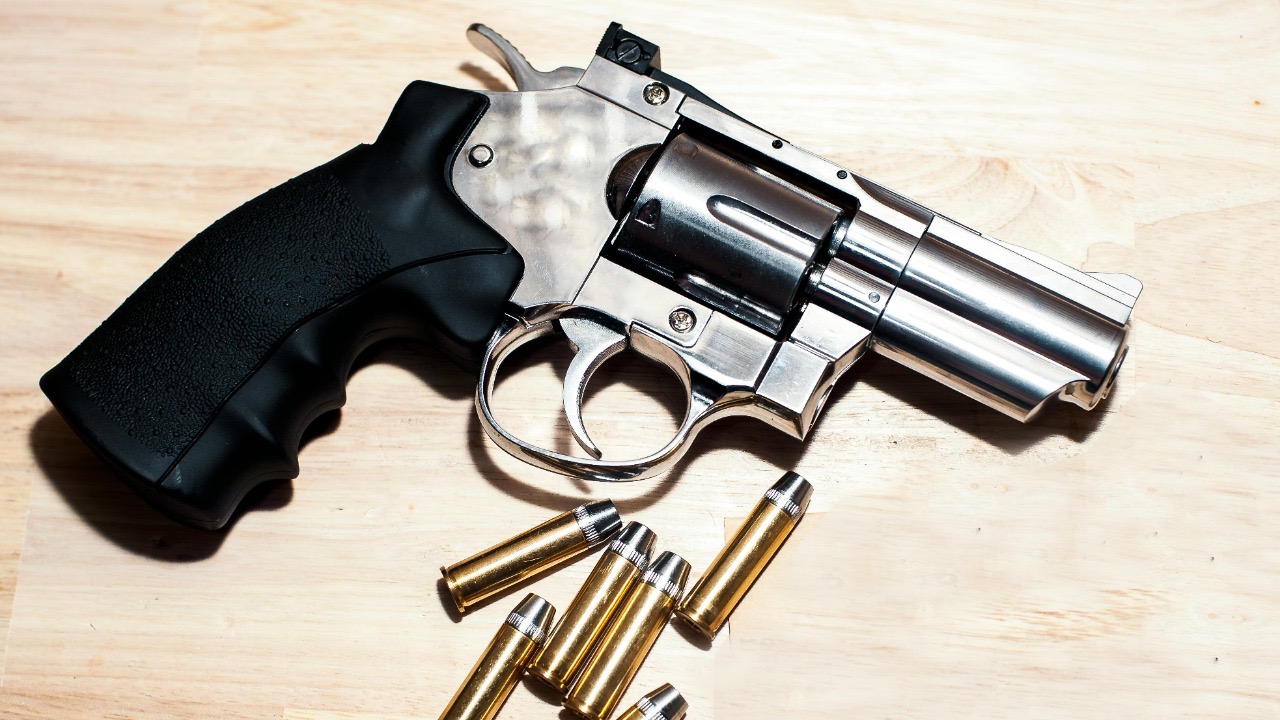
Why revolver caliber debates never fully settle
Arguments over revolver calibers never really cool off, they just shift to a new set of talking points. One camp leans on tradition and raw power, another leans on capacity and control, and both sides can point to real-world experience to back their case. The result is a debate that keeps circling, because it is built as much on personal context and human limits as it is on ballistics.
When you strip away the slogans, you find a handful of recurring tradeoffs that shooters keep weighing and reweighing as gear, training, and threats change. That is why the same arguments that once raged over .38 Special and .357 Magnum now echo in discussions of 9 mm, .45, and everything in between, and why revolver shooters in particular never quite reach a final verdict.
Why caliber arguments feel endless in the first place
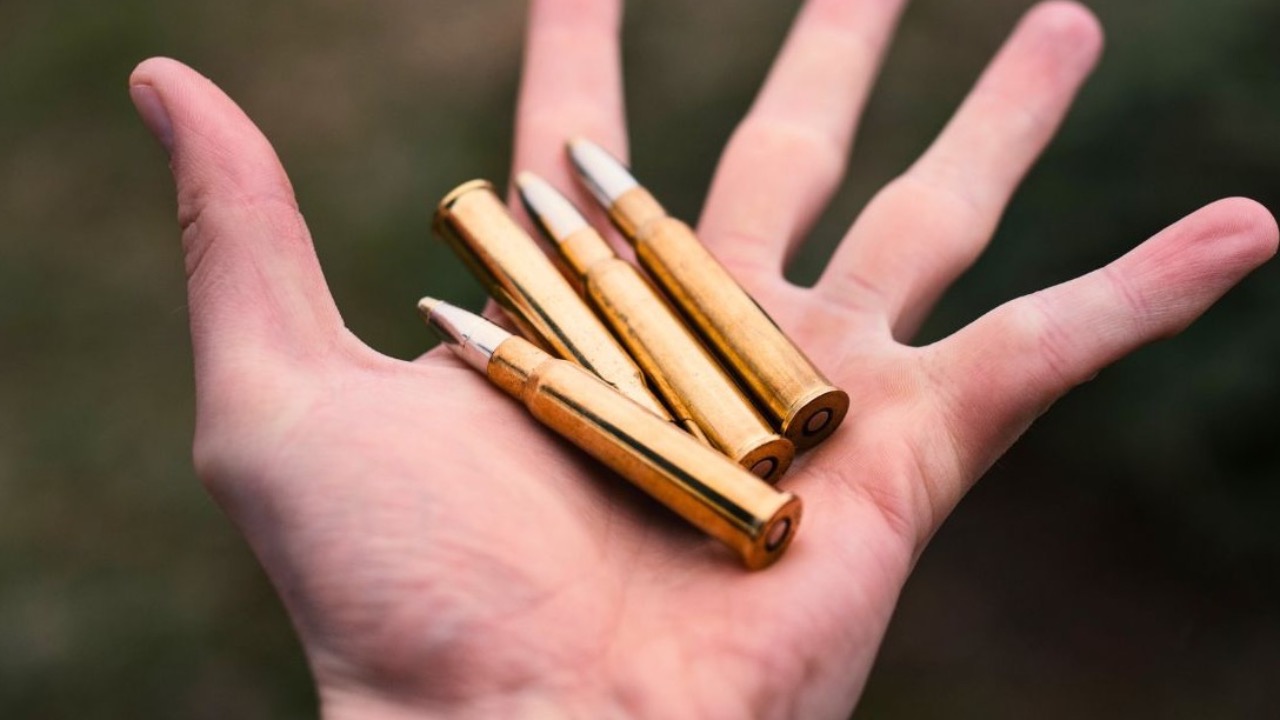
Caliber debates drag on because they are trying to answer a question that is only half technical. The numbers on paper, velocity and energy and bullet weight, matter, but the shooter behind the gun and the situation he or she is likely to face matter just as much. When people argue about revolver calibers, they are really arguing about what they value most, whether that is recoil control, penetration, expansion, or the comfort of carrying a familiar round they have trusted for years.
That mix of hard data and personal priority is why one shooter can look at the same set of ballistics and walk away convinced that a heavy .357 Magnum is the only serious choice, while another sees the same chart and decides a milder .38 Special that allows faster hits is the smarter call. The same dynamic shows up in the long running 9 mm versus .45 arguments, where some shooters insist that a larger bullet is worth any tradeoff, and others point out that modern 9 mm loads have narrowed the gap so much that preference and context drive the decision more than raw numbers.
Revolvers live at the crossroads of power and capacity
Revolvers sit in a strange spot in the caliber conversation, because the gun itself bakes in a capacity limit that you cannot fix with a different magazine. The cylinder usually holds between five and six rounds in common defensive sizes, and if you want more, you often have to accept smaller diameter bullets or a bulkier frame. That means every step up in power, from .38 Special to .357 Magnum or .44 Special, comes with a very real cost in recoil, blast, and how many cartridges you can carry in the gun and on your belt.
Some modern designs stretch that envelope, with cylinders that can hold anywhere from 5 to 12 rounds, but the higher counts tend to rely on smaller diameter rounds and larger frames, which reinforces the idea that there is always a tradeoff baked into the platform. As one detailed look at the revolver tradeoff put it, the cylinder that gives you that legendary reliability also locks you into a finite number of chambers, and stretching capacity usually means shrinking the bore or accepting a gun that is harder to carry. That mechanical reality keeps caliber discussions around revolvers grounded in what you can actually manage in a limited number of shots.
Capacity versus caliber when you only have a few rounds
Once you accept that a defensive revolver is going to give you a handful of rounds instead of a double stack, the question becomes how much power you really need in each chamber. Some shooters argue that if you are limited to five or six, every one of those should be as potent as you can handle, which pushes them toward heavier calibers and hotter loads. Others look at the same limitation and decide that controllability and the ability to make fast, accurate follow up shots matter more than squeezing out a few extra foot pounds of energy.
That second camp often points to the idea that in many real defensive shootings, it takes several hits to stop a determined attacker, and that the ability to place those hits quickly can matter more than the diameter of the bullet. One experienced shooter framed it in terms of his own surroundings, noting that, given his typical environment, capacity and the ability to shoot well under stress can outweigh raw caliber, and that if a person cannot control a heavy recoiling round, then capacity becomes more important than theoretical power, a point he made while weighing caliber versus capacity. Revolver shooters feel that tension acutely, because they cannot simply add more rounds to the gun, so they end up arguing over whether a milder caliber that they can shoot faster is a smarter hedge than a handful of stout magnums.
What cops and trainers keep saying about sidearm calibers
Law enforcement experience has a way of cutting through some of the theory, and it has shaped how many people think about handgun calibers, including in revolvers. Over the years, agencies have swung between larger and smaller sidearm calibers, chasing better performance, lower recoil, and higher capacity. Those shifts have sparked plenty of commentary from officers who carried everything from big bore revolvers to high capacity semi autos, and who watched policy change around them.
One retired officer summed up a common view when he said that all the talk about caliber means nothing if he is not good with the gun, adding that, all BS aside, he would take more rounds and greater accuracy any day, and that the bottom line is to be proficient, a point he made while weighing in on a caliber change debate. That kind of real world feedback keeps pushing the conversation away from magic bullets and toward what officers and armed citizens can actually shoot well under pressure.
Recoil, control, and the limits of human hands
Revolver caliber debates also keep looping back to recoil, because the physics do not care about anyone’s favorite cartridge. A small steel frame with a heavy .357 Magnum load is going to snap hard, and while some shooters can manage that, others find that their accuracy falls apart after the first shot. The more a gun bucks and twists, the harder it is to get the sights back on target, and the more likely a shooter is to flinch in anticipation, which undercuts the whole point of choosing a powerful round.
Even experienced shooters acknowledge that recoil impulse and control are real constraints, not excuses. In one detailed discussion of handgun performance, a seasoned shooter admitted that recoil impulse and recoil control are real factors even for him, and that he had not run certain heavy combinations in a long time, a point he made while arguing that the caliber debate is in the sense that human limits matter more than tiny differences in bullet size. Revolver shooters feel that in their wrists and elbows, which is why so many eventually settle on a caliber they can shoot well for an entire practice session instead of the one that looks best on a ballistics chart.
Why the 9 mm vs .45 fight keeps echoing in revolver talk
The long running 9 mm versus .45 argument has become a kind of template for every other handgun caliber debate, including the ones that play out around revolvers. On one side are shooters who like a larger, heavier bullet and are willing to accept lower capacity and more recoil to get it. On the other side are those who point to modern bullet design and argue that a smaller, faster round that allows more rounds in the gun and faster follow up shots is a better overall package.
That split shows up clearly in discussions where people insist that this debate will never be over because it is subjective, comparing it to preferences in automobiles and styles, and noting that some will always favor one over the other, a point made bluntly in a forum exchange. When you translate that to revolvers, you get the same pattern, with some shooters clinging to big bore options and others gravitating toward mid size calibers that they can control better, and no amount of data seems to fully settle the matter because it is rooted in what each person values and how each person shoots.
Training, not caliber, decides most outcomes
One of the quieter truths in all of this is that training and mindset usually matter more than the specific revolver caliber on your belt. A shooter who practices regularly, understands how to manage stress, and can place shots where they need to go is in a far better position than someone who picked a heavy caliber on reputation and then avoids the range because the gun is unpleasant to shoot. That is why so many experienced voices keep steering the conversation back to proficiency instead of chasing the perfect cartridge.
Some instructors go so far as to warn people not to put too much faith in any defensive handgun caliber or load, noting that while certain calibers and loads offer some advantages over others, they do not believe those differences will always be visible in real fights, and that people should not obsess over such differences of opinion, a point laid out in a detailed warning to have no faith in any one load. For revolver shooters, that advice translates into picking a caliber they can afford to practice with, that they can control in rapid fire, and then putting in the work instead of chasing the next supposed ballistic breakthrough.
How early lessons and range stories shape caliber loyalty
Caliber preferences rarely start with a spreadsheet, they usually start with a story. A lot of shooters can trace their loyalty to a certain round back to a first range trip, a family member’s advice, or a range master who drilled a particular lesson into a group of new shooters. Those early experiences carry a lot of weight, and they color how people interpret later information about ballistics and performance.
One shooter recalled that when he was a young kid shooting at a range for the first time, the range master told all the kids to always remember that the best gun is the one you can hit with and can use effectively, a lesson he shared in a set of comments about the caliber debate. That kind of early guidance sticks, and it explains why some revolver shooters will defend their chosen caliber fiercely, not because they have run every possible test, but because that round is tied to the first time they learned to shoot well and to the mentors they trusted.
Why the argument will keep going, and what actually matters
Even as more data piles up and bullet design keeps improving, the revolver caliber debate is not going to vanish, it is going to keep shifting. New loads, new frame sizes, and new training ideas will give people fresh angles to argue, but the core tradeoffs will stay the same, power versus control, capacity versus size, and theory versus what you can actually do on demand. That is why some modern voices argue that we need to stop thinking about the 9 mm versus .45 auto question strictly in terms of ballistic data, and instead look at the defensive handgun as a whole system that includes the shooter, a point made clearly in a breakdown of 45 and 9 mm for everyday carry.
For revolver shooters, the practical takeaway is straightforward even if the online arguments are not. Pick a caliber that fits your hand, your recoil tolerance, and your likely threats, then commit to training with it until you can run the gun smoothly under stress. The debates will keep rolling on in gun shops and comment sections, but the people who fare best in real fights are usually the ones who stopped chasing the last word on caliber and focused instead on getting competent with the revolver they actually carry.

Asher was raised in the woods and on the water, and it shows. He’s logged more hours behind a rifle and under a heavy pack than most men twice his age.