Why some animals are adapting faster than humans expect
Across the planet, wild species are changing in ways that defy long-held assumptions about slow, gradual evolution. From city-dwelling birds to pesticide-resistant insects, some animals are shifting behavior, body shape, and even genetics within just a few generations. These rapid adjustments are not keeping pace with every threat, but they are rewriting expectations about how life responds to human pressure.
Researchers now have enough documented cases to show that quick adaptation is not a quirky exception. It is emerging as a defining feature of how wildlife navigates habitat loss, pollution, climate shifts, and sprawling urban environments.
What happened
For much of the 20th century, biologists framed evolution as a process that unfolded over thousands or millions of years. That picture began to crack as field studies tracked measurable changes in real time. A growing body of work now shows that animals can evolve detectable differences in a few decades, and in some cases within a handful of breeding seasons. One recent synthesis of documented cases describes rapid shifts in body size, coloration, breeding timing, and tolerance to toxins across fish, birds, insects, and mammals, all linked to intense human-driven selection.
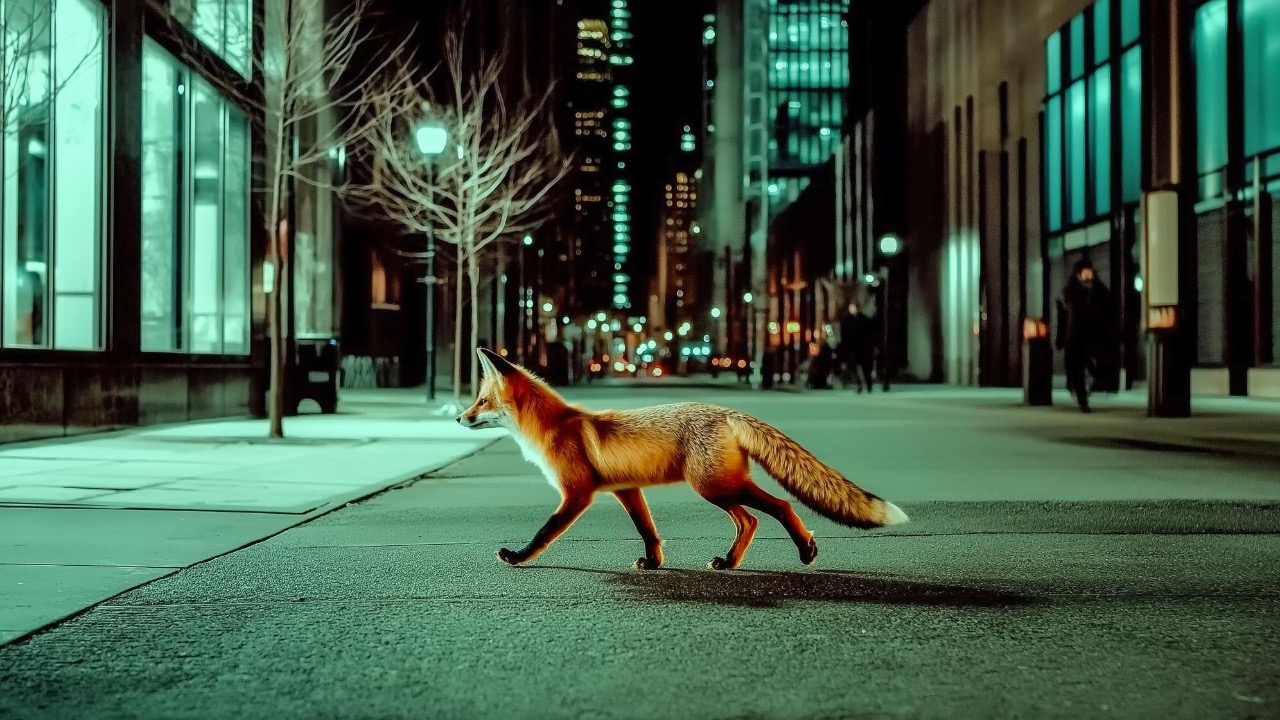
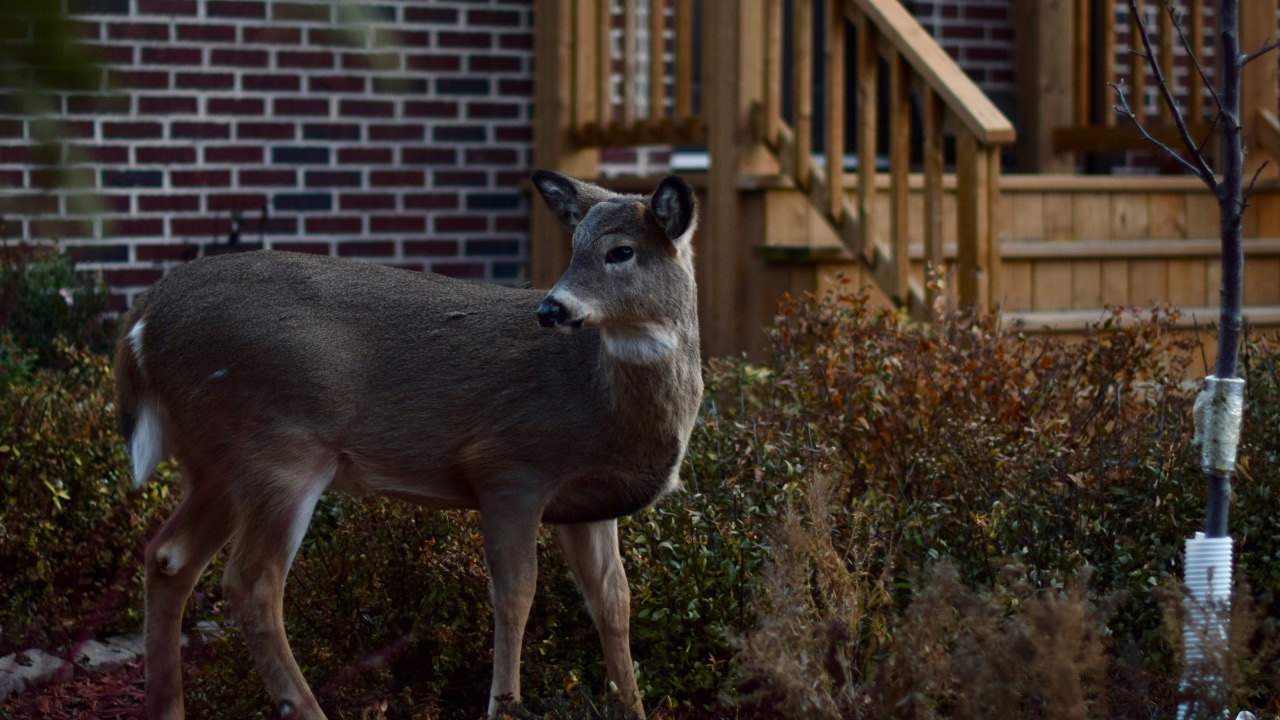
Urban environments have become some of the clearest laboratories for this change. As cities expand, animals that remain must cope with heat islands, artificial light, traffic, and novel food sources. Genetic studies of urban songbirds, for example, reveal differences in stress physiology and problem-solving traits compared with nearby rural populations, suggesting that birds able to tolerate noise and exploit human food waste are leaving more offspring. Similar work on city-dwelling mammals, such as raccoons and coyotes, finds behavioral shifts toward bolder, more flexible individuals that thrive around people.
Climate change is another powerful driver. As temperatures warm and seasonal patterns shift, many species are altering migration schedules and breeding windows. Long-term monitoring shows that some birds are laying eggs earlier in spring, while certain butterflies and dragonflies are expanding their ranges northward. In several cases, genetic markers tied to temperature tolerance have changed frequency within local populations, indicating that natural selection is favoring individuals that can survive hotter or more variable conditions.
Some of the most dramatic examples involve direct chemical pressures. Agricultural and urban use of pesticides and rodenticides has created intense selection for resistant individuals. Insects that survive a given pesticide dose pass on resistance genes, sometimes leading to near-total failure of a chemical within a decade. Rodent populations in cities and on farms have similarly evolved resistance to common poisons, forcing pest control programs to rotate or escalate their methods.
Marine and freshwater systems show parallel trends. Overfishing has pushed certain fish populations toward earlier maturation at smaller sizes, because individuals that reproduce quickly before being caught are more likely to pass on their genes. In polluted rivers and estuaries, some fish and invertebrates have evolved tolerance to heavy metals and industrial chemicals that would otherwise be lethal. Genetic analyses of these populations reveal distinct variants associated with detoxification pathways, a sign of strong recent selection.
The pace of these changes has surprised many researchers. A review of rapid evolutionary responses in wildlife, highlighted by recent conservation reporting, catalogues dozens of species that have shifted measurably in response to hunting, habitat fragmentation, invasive species, and climate stressors. The pattern is consistent: when human activities impose intense, directional pressure, evolution can move quickly enough to track it, at least for some traits and species.
New work on genetic mechanisms is filling in the picture. Advances in genome sequencing allow scientists to compare urban and rural populations, or pre- and post-disturbance samples, to pinpoint which genes are changing. A recent study of wild populations, summarized through new evolutionary research, shows that adaptation can involve both new mutations and the rapid reshuffling of existing genetic variation. This flexibility helps explain why some animals can adjust in just a few generations while others lag behind.
Why it matters
Rapid adaptation might sound like good news, a sign that nature can keep up with human disruption. The reality is more complicated. Evolution has no built-in direction toward health or balance; it simply favors traits that help individuals survive and reproduce under current conditions. As a result, some changes that look like clever survival strategies can carry long-term costs for ecosystems and for people.
Pesticide resistance is one example. Insects that evolve to withstand a particular chemical force farmers to spray higher doses or switch to new compounds. This arms race can increase production costs, harm non-target species, and push agriculture toward more toxic or persistent substances. Fish that mature earlier at smaller sizes may similarly keep populations from collapsing in the short term, but they can reduce overall biomass and alter food webs, with ripple effects on predators and fisheries.
Urban adaptation raises its own trade-offs. Animals that learn to exploit human food and infrastructure often become bolder and more numerous in cities. That can increase conflicts, from raccoons raiding trash to coyotes preying on pets. It also changes disease dynamics. Species that thrive in dense urban settings, such as rodents and some bird species, can act as reservoirs for pathogens that jump to humans or domestic animals. As certain wildlife become more tolerant of people and more concentrated around human resources, public health agencies must adjust surveillance and management strategies.
Conservation planning also shifts when evolution speeds up. Traditional approaches often assumed that preserving habitat and reducing direct killing would be enough to maintain populations, with evolution operating in the background. Rapid genetic change means that managers now need to account for how actions like selective harvest, translocation, or captive breeding might steer evolution in unintended directions. Trophy hunting that targets the largest individuals, for example, can push populations toward smaller body sizes, while fishery rules that set minimum size limits can favor earlier maturation at reduced size.
On the positive side, evidence of quick adaptation offers new tools for protecting biodiversity. If managers can identify which traits help species survive in altered environments, they can design interventions that support those traits. Assisted gene flow, where individuals from more tolerant populations are moved to vulnerable ones, is one emerging strategy. Protecting habitat corridors that allow animals to track suitable climate conditions is another, since movement can bring together diverse genetic lineages and increase the raw material for selection.
Public perception is another stake. Stories of animals rapidly adjusting to cities or warming seas can feed a comforting narrative that nature will simply adapt, reducing the urgency to cut emissions or protect habitats. Scientists involved in rapid-evolution research often stress that while some species are keeping up, many others are not. Long-lived animals with slow reproduction, such as large mammals and many trees, have far less capacity to evolve quickly. Highly specialized species that depend on a narrow set of conditions or food sources are also at greater risk.
There is also an equity dimension. Communities that rely heavily on natural resources, such as small-scale fishers or subsistence farmers, may feel the effects of evolutionary shifts first. A fish stock that becomes dominated by smaller, less valuable individuals, or a pest that develops resistance to affordable controls, can undermine livelihoods. Understanding and anticipating these changes can help policymakers design support systems and adaptation plans that do not leave these groups behind.
What to watch next
The next decade is likely to bring a sharper picture of where rapid adaptation can help and where it falls short. Several research fronts will be especially important. Long-term genomic monitoring of wild populations is expanding, as archived samples and new field collections are sequenced to track allele frequency changes over time. These projects can reveal which species are evolving in response to specific stressors, and how fast those responses unfold.

Leo’s been tracking game and tuning gear since he could stand upright. He’s sharp, driven, and knows how to keep things running when conditions turn.