Why Some Double-Action Pistols Remain Popular Despite Polymer Trends
Walk into any gun shop and you’ll see polymer striker-fired pistols dominating the counter. They’re lighter, easier to manufacture, and consistent in trigger pull. But double-action pistols—especially traditional DA/SA metal-frame guns—refuse to fade away. There’s a reason for that.
When you spend enough time behind a handgun, you start to appreciate things that don’t show up on a spec sheet. Balance, trigger control, recoil impulse, and long-term durability matter. Double-action pistols offer a shooting experience many serious shooters still trust. Here’s why they continue to hold ground in a polymer world.
The First-Trigger-Pull Safety Factor

A long, deliberate double-action first pull gives you an added margin of control. That heavier initial press requires intent. For many shooters—especially those who carry—it adds reassurance without relying solely on internal safeties.
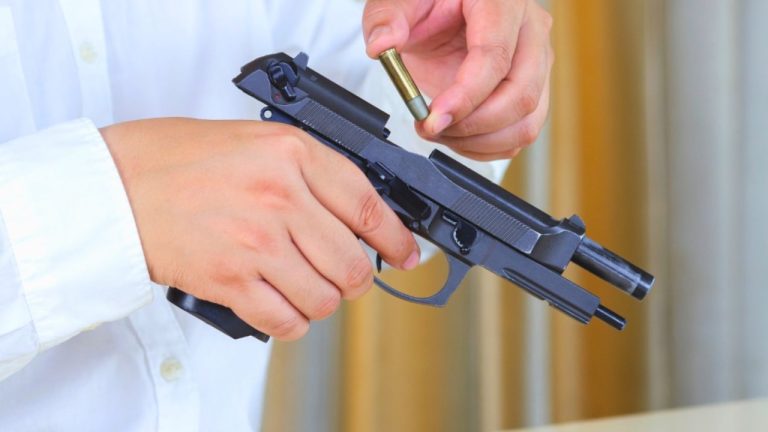
Once the first round breaks, the transition to single-action gives you a lighter, cleaner pull for follow-up shots. That system has been trusted for decades in pistols like the SIG Sauer P226 and Beretta 92 series. You may train around the transition, but once you do, it becomes second nature. That combination of deliberate first shot and crisp follow-ups keeps experienced shooters coming back.
Metal Frames Soak Up Recoil
Weight matters. A steel or alloy frame absorbs recoil in a way polymer simply can’t replicate. When you shoot a full-size double-action pistol, the gun tracks flatter and settles faster between shots.
That’s one reason guns like the CZ 75 remain competitive and respected. You feel the difference during longer range sessions. Less snap, more push. It’s easier to maintain sight picture and cadence. Polymer guns are easier to carry, but when you’re putting serious rounds downrange, that extra weight works in your favor.
Proven Service Records
Many double-action pistols built their reputations in military and law enforcement service long before striker-fired guns became dominant. The Beretta 92FS served the U.S. military for decades. The SIG Sauer P226 built a track record with elite units worldwide.
That kind of institutional use carries weight. These pistols were vetted under hard conditions—sand, mud, extreme temperatures. When a platform has survived that kind of scrutiny, it earns long-term loyalty. Shooters who value track records over trends tend to stick with what has already proven itself.
Mechanical Transparency
With a traditional double-action pistol, you can see and feel what’s happening. You have a hammer. You can thumb it down carefully. You can ride it if needed. There’s a visible, tactile element to the system.
For some shooters, that mechanical transparency inspires confidence. You understand the gun’s condition at a glance. With pistols like the CZ 75 or Beretta 92, the controls are deliberate and tactile. It feels mechanical in a way striker-fired pistols don’t. That familiarity keeps experienced hands loyal.
Trigger Reset and Single-Action Precision
Once you’re in single-action mode, many DA/SA pistols offer clean, predictable breaks. A tuned SIG Sauer P226 or Beretta 92FS can produce excellent accuracy.
The short reset after that first double-action pull allows for controlled, precise shooting. You get a distinct wall and break. For shooters who value refined trigger control, that matters. Striker-fired guns offer consistency, but they rarely match a well-set single-action pull for crispness. That difference shows up when you’re working on tight groups or longer pistol shots.
Longevity and Durability
Metal-frame double-action pistols are built to last. Steel rails riding inside alloy or steel frames distribute wear differently than polymer designs. With proper maintenance, these guns can run for decades.
You still see older Beretta 92s and SIG Sauer P226 pistols in service or on the range with high round counts. Springs and small parts get replaced, but the core structure holds up. Shooters who value long-term durability appreciate that kind of staying power. Polymer has advantages, but metal construction still carries weight for those who shoot often and expect a handgun to last a lifetime.
Balance and Natural Pointing
There’s a certain balance to traditional double-action pistols that feels grounded. The slide mass and frame weight create a natural pointing characteristic that many shooters find intuitive.
Pick up a well-fit CZ 75 or SIG Sauer P226, and the gun often settles into alignment without conscious correction. That isn’t marketing—it’s geometry and weight distribution. When a pistol points where you’re looking, your confidence increases. That sense of alignment keeps shooters loyal, even as lighter polymer options dominate sales.
The Transition Builds Skill
Running a DA/SA gun well requires practice. You manage that first heavy pull, then transition cleanly into single-action. It demands attention to fundamentals—grip, sight alignment, trigger control.
For serious shooters, that challenge is part of the appeal. Mastering the transition builds discipline. When you can run a Beretta 92FS or SIG Sauer P226 smoothly, striker-fired guns often feel easier by comparison. The skill carries over. That training value alone keeps double-action pistols relevant, even in a market crowded with polymer frames.

Asher was raised in the woods and on the water, and it shows. He’s logged more hours behind a rifle and under a heavy pack than most men twice his age.