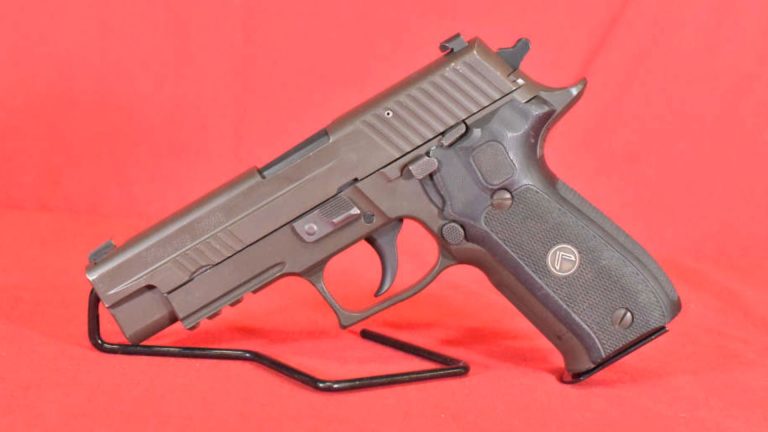
Why Some Guns Keep Working While Others Get Traded Away
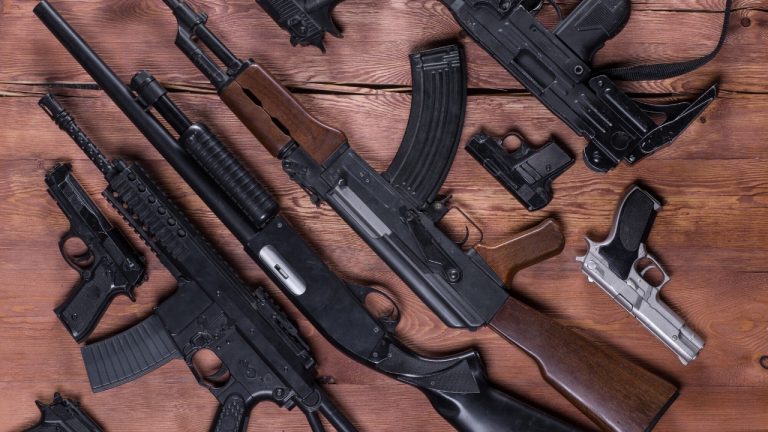
In the firearms world, some models seem to stay in circulation for decades while others get sold, traded, or replaced after only a short time. The difference usually isn’t about hype or popularity at launch, but how well a firearm holds up under repeated use, maintenance habits, and changing user needs over time.
People tend to keep firearms that stay consistent without requiring constant adjustment or repair. Others get traded away when owners feel they’ve outgrown them, find them unreliable for their use case, or simply want something that better fits their current needs. Over time, this creates a clear split between long-term “keeper” guns and short-term “transition” guns.
Reliability under real use conditions
One of the biggest factors that determines whether a firearm stays in a collection is reliability under real conditions, not just at the range. Guns that function consistently across different environments, ammunition types, and usage patterns tend to remain in active rotation for years.
On the other hand, firearms that are more sensitive to cleaning schedules, ammunition quality, or handling technique often get replaced. Even small issues like frequent stoppages or inconsistent cycling can push owners to move on, especially if the firearm is used in hunting, training, or defensive roles.
Simplicity and ease of maintenance
Firearms with simpler mechanical designs often last longer in practical use because they are easier to maintain and troubleshoot. Fewer moving parts generally means fewer points of failure, which reduces frustration over time and keeps the gun in service longer.
More complex systems can still perform well, but they usually require more attention. When maintenance becomes inconvenient or parts are harder to service, owners are more likely to trade those firearms for something more straightforward and predictable.
Fit, comfort, and user preference
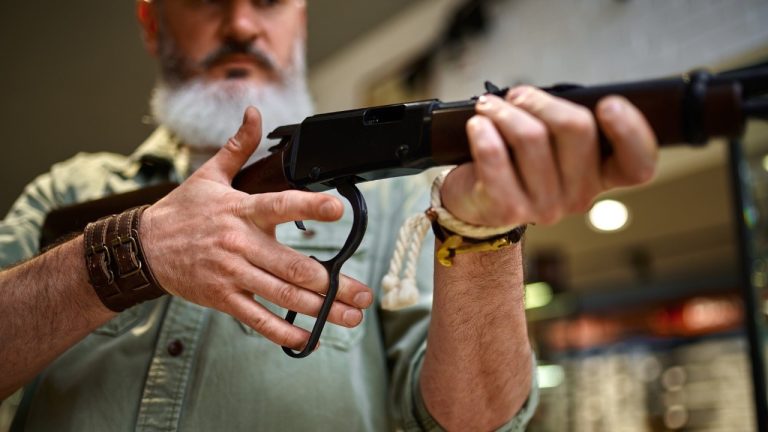
Even a reliable firearm can be traded away if it doesn’t fit the user well. Comfort, ergonomics, weight, recoil feel, and handling all play a role in whether someone keeps a gun long-term or moves on to another option.
As shooters gain experience, their preferences often change. A firearm that felt fine early on might feel outdated or awkward later, leading to upgrades. This is especially common in handguns and sporting rifles where small design differences can affect long-term comfort.
Practical role changes over time
Another reason firearms get traded is that the owner’s needs change. A gun bought for hunting might no longer fit a person’s hunting style. A range firearm might be replaced by something more specialized. Even home defense choices can shift as people reassess what they want in a setup.
Firearms that stay useful across multiple roles tend to remain in collections longer. When a gun is flexible enough to adapt to different uses, it has a better chance of becoming a long-term keeper instead of a temporary tool.
Value retention and long-term reputation
Some firearms hold their value better than others, which also influences whether people keep or trade them. Well-known, proven models often stay in circulation because owners see them as worth keeping rather than replacing.
Reputation plays a role here too. Firearms that build a history of consistent performance tend to get passed between owners less frequently, because people trust them and don’t feel pressure to upgrade unless their needs change significantly.

Leo’s been tracking game and tuning gear since he could stand upright. He’s sharp, driven, and knows how to keep things running when conditions turn.