Why Some Knives Feel Awkward During Real Work
Knives look straightforward, but the gap between a knife that feels natural and one that feels like a crowbar shows how much design and technique matter. When a blade feels awkward in real work, it is usually not about your toughness or skill, it is about geometry, ergonomics, and edge condition fighting the way your body wants to move. Once you understand those pieces, you can tell at a glance which knives will help you and which ones will fight you all day.
I have spent enough time cooking, hunting, and working around camp to see the same mistakes repeat: people buy knives that look impressive, then discover they cramp their hands, skid off food, and tire them out fast. The good news is that awkwardness is predictable, and with a little knowledge you can pick tools that feel like an extension of your hand instead of a liability.
Why “Good on Paper” Knives Fail in Real Use
Most awkward knives start with a bad purchase. A lot of buyers chase big sets, flashy finishes, or bargain prices, then wonder why the blades feel clumsy once they start breaking down a deer or dicing onions. In one detailed breakdown of common buying mistakes, Dec points out that kitchen knives are expensive and used every day, so choosing the wrong profile or steel leaves people stuck with tools that never feel right in the hand even after the honeymoon period ends, which is why so many cooks regret their first “fancy” set after watching a few more experienced voices like Dec walk through what actually matters.
On top of that, people often overestimate how many knives they need and underestimate how important comfort is. Another set of experts in Nov walked through a knife challenge to answer basic questions like “how many knives do I need” and “do I need to care about them,” and the clear takeaway was that a small number of well chosen blades beats a block full of awkward ones, especially when those few knives are tuned to the user’s grip and tasks rather than to marketing copy, a point that comes through strongly in Nov.
Handle Ergonomics: Where Comfort Starts or Dies
If a knife feels wrong the second you pick it up, the handle is usually the culprit. Hand surgeon and knife consultant Ver Steeg has warned that certain handle shapes force your wrist into an unnatural angle, which means your hand has to compensate for that angle every time you cut, especially if you are using it all day every day, and that constant compensation limits how much power you can safely apply and how long you can work without pain, a point laid out clearly in the discussion of premium handles at premium handles.
Ver Steeg has also laid out specific Consequences of Poor, warning that sharp edges, extreme finger grooves, and overly blocky scales create hot spots that dig into your palm under load. When you combine that with slick materials or hollow construction that shifts weight away from your hand, the knife starts to twist and slide as you cut, which is exactly what frustrated buyers describe when they complain that hollow handles constantly slip and slide in the hand and make it almost impossible to avoid mishaps, as one detailed review of a budget set on hollow handles makes painfully clear.
Blade Geometry: When Shape Fights the Cut
Even with a comfortable handle, the blade itself can make work feel like a slog if the geometry is wrong for the job. Knife makers who focus on performance point out that blade geometry is more than a styling choice, and that each curve and angle serves a purpose, from the thickness of the spine to the height of the grind, with poor geometry forcing you to push harder and making the knife wedge or stall in dense material, a relationship spelled out in detail in the discussion of blade geometry.
One maker who breaks down what makes a good chef’s knife bluntly asks, “How does the best chef’s knife cut,” then answers that if the spine is too thick the blade will underperform on hard items like squash or potatoes and will misbehave when cutting those same items, because the wedge shape forces food apart instead of letting the edge glide, a problem that shows up in real kitchens every time someone tries to power through a butternut with a clunky profile, as described in the analysis of How a chef’s knife should behave. When the blade is too thick behind the edge or the belly is shaped in a way that does not match your cutting style, every slice feels like a fight, no matter how sharp the steel is.
Sharpness, Dullness, and Why Edges Feel “Grabby”
A knife can also feel awkward simply because the edge is not doing its job. Medical safety guidance is blunt that a dull blade is actually more dangerous than a sharp one, because a dull edge needs more pressure to cut and is more likely to slip before it bites, which leads to loss of control and injuries, a point hammered home in a safety bulletin that urges people to Use a sharp knife so the edge “bites” the surface more readily.
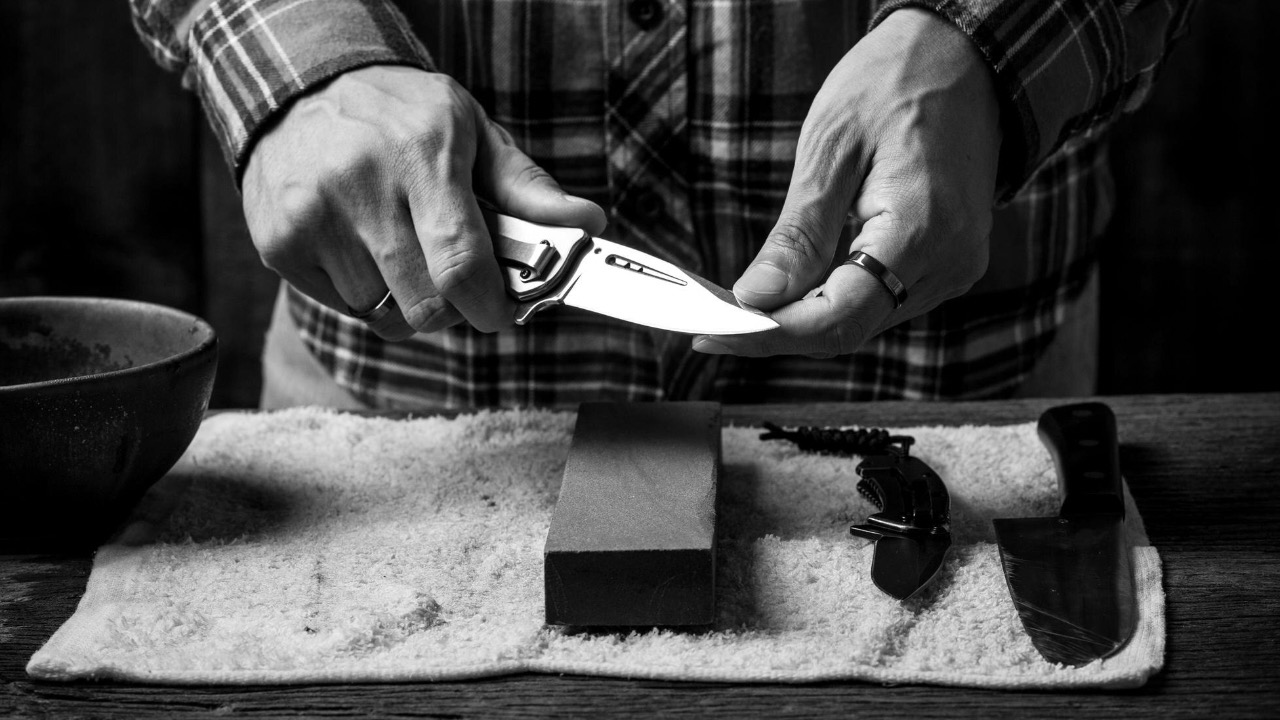
Edges also degrade faster than most people realize. One technical breakdown of how blades wear notes that all knife edges become dull with use, even serrated or “never need sharpening” models, because the very thin metal at the edge rolls, chips, and deforms every time it makes contact with a cutting surface, a process explained step by step in the piece on How a knife gets dull. When you add in poor sharpening technique, things get worse, and Aug has shown that the first reason a knife can feel duller after sharpening is failing to maintain a specific angle, which rounds the edge instead of refining it and leaves the blade feeling grabby and unpredictable, as he explains in his breakdown of Aug sharpening mistakes.
Grip and Technique: When “Proper” Feels Wrong
Sometimes the knife is fine and the problem is how it is being held. Many home cooks try to copy the pinch grip they see in professional videos, then discover that the knife feels unstable or painful, which has led to long threads where people admit that the knife grip they see on videos feels very uncomfortable and ask if they should revert to their old habits, only to be told in the Comments Section to Start with the proper grip and let their muscles adapt over time, advice that shows up clearly in the discussion on Comments Section.
Context matters too. An instructor who teaches a knife combat class and camps regularly has pointed out that the most comfortable grip depends heavily on what you are doing, noting that if you are doing heavy cooking it is common to choke up and hold the spine of a chef’s blade, while for other tasks a more neutral hammer grip makes sense, a nuance that Damion Natty Dread Montoya lays out in a discussion that starts with “Depends on what you’re doing” in a detailed post on Damion. When your grip and the knife’s balance are mismatched to the task, the blade will always feel like it is trying to roll out of your hand.
Ergonomics and Fatigue: The Hidden Cost of Awkward Knives
Awkward knives do more than annoy you, they wear you down. Ergonomics research on workplace tools has shown that Poor ergonomic design can decrease the longevity of your workforce and cause output and efficiency to drop drastically, because Workers who fight their tools experience more fatigue, more pain, and less focus, which directly reduces their ability to handle physical tasks safely, a pattern laid out in detail in a report on Poor ergonomic equipment.
The same logic applies to knives. Ver Steeg has warned that poor handle shapes can cause numbness, tendon strain, and loss of fine control over time, especially under prolonged use, which is why he suggests steering clear of designs that dig into the palm or force the wrist into extreme angles, a warning that is spelled out in the section on Ver Steeg and long term use. When you combine that with a dull edge that demands extra pressure, you end up with a tool that not only feels awkward but also shortens the amount of time you can work before your hands and shoulders start to complain.
Real-World Feedback: What Users Complain About Most
When you read through real user comments, the same themes repeat. One home cook who finally bought a good chef knife admitted being afraid to use it and said they could not imagine using gloves with a knife because it seemed so awkward, adding that no kitchen tool has the finesse of your hands and that losing direct feel for what you are cutting makes the process more ungainly, a sentiment that shows how much tactile feedback matters and is captured clearly in the thread where You can see that hesitation spelled out.
Other buyers focus on specific design flaws. In one review of a mass market knife set, a user complained that the hollowness of the handles adds to the problem and that they constantly slip and slide in the hand, making it almost impossible to avoid accidents, which is exactly what you would expect from a handle that is too light, too smooth, and poorly balanced, as that frustrated account on Amazon Ratings makes clear. When you line up these stories, the pattern is obvious: awkward knives are usually either too slick, too oddly shaped, or too dull to give the user confidence.
Sharpening, Maintenance, and Everyday Ergonomics
Keeping a knife sharp is one of the easiest ways to make it feel more natural. A practical guide to knife ergonomics points out that use keeping your knife sharp also helps, because the less pressure you have to apply to make cuts the less energy you will exert and the less strain you will put on your joints, a simple but important point made in the discussion of Jun and knife ergonomics. When the edge is keen, the knife tracks straighter, bites sooner, and lets you focus on aim instead of brute force.
Understanding how edges dull also helps you avoid surprises. A technical overview of edge wear explains that All knife edges become dull with use because the thin metal at the apex is constantly being bent and abraded as it contracts with a cutting surface, which means even careful users need to touch up their blades regularly, a reality spelled out in the piece on Knife Gets Dull. When you combine that knowledge with Aug’s warning that failing to hold a consistent angle while sharpening is the first reason a knife can feel duller after you work on it, as he explains in his breakdown of Why edges get worse on the stone, you start to see why so many people think their knives are “awkward” when the real issue is a rounded, inconsistent bevel.
Choosing Knives That Disappear in Your Hand
Once you know what to avoid, picking better knives gets easier. Dec has argued that most people buy the wrong kitchen knives because they chase big sets instead of a few well chosen blades, and he stresses that since kitchen knives are expensive and used every day, you want to avoid a regretful purchase by focusing on fit, balance, and edge quality rather than marketing, a point he drives home in his breakdown of how Most buyers go wrong. Nov’s expert panel came to a similar conclusion, showing through a knife challenge that you do not need a dozen specialized blades, you need one or two that match your hand and your cutting style, a lesson that comes through clearly in the discussion of which knives actually matter.

Asher was raised in the woods and on the water, and it shows. He’s logged more hours behind a rifle and under a heavy pack than most men twice his age.