Tackle that complicates simple fishing trips
You’ve been out on the water enough times to know that a good fishing trip doesn’t need much—just a rod, some line, a hook, and maybe a worm or two. But these days, it’s easy to get sucked into buying gear that promises to make everything better, only to find it turns a relaxing afternoon into a hassle. I’ve spent years chasing bass and trout across lakes and rivers, and I’ve learned the hard way that some tackle adds more trouble than it’s worth. It weighs you down, breaks at the wrong moment, or just overthinks the basics. If you’re planning a straightforward day on the bank or in a boat, stick to what works without the extras. Here’s a look at some common culprits that can turn your simple outing into a headache.
Overly Complex Reels

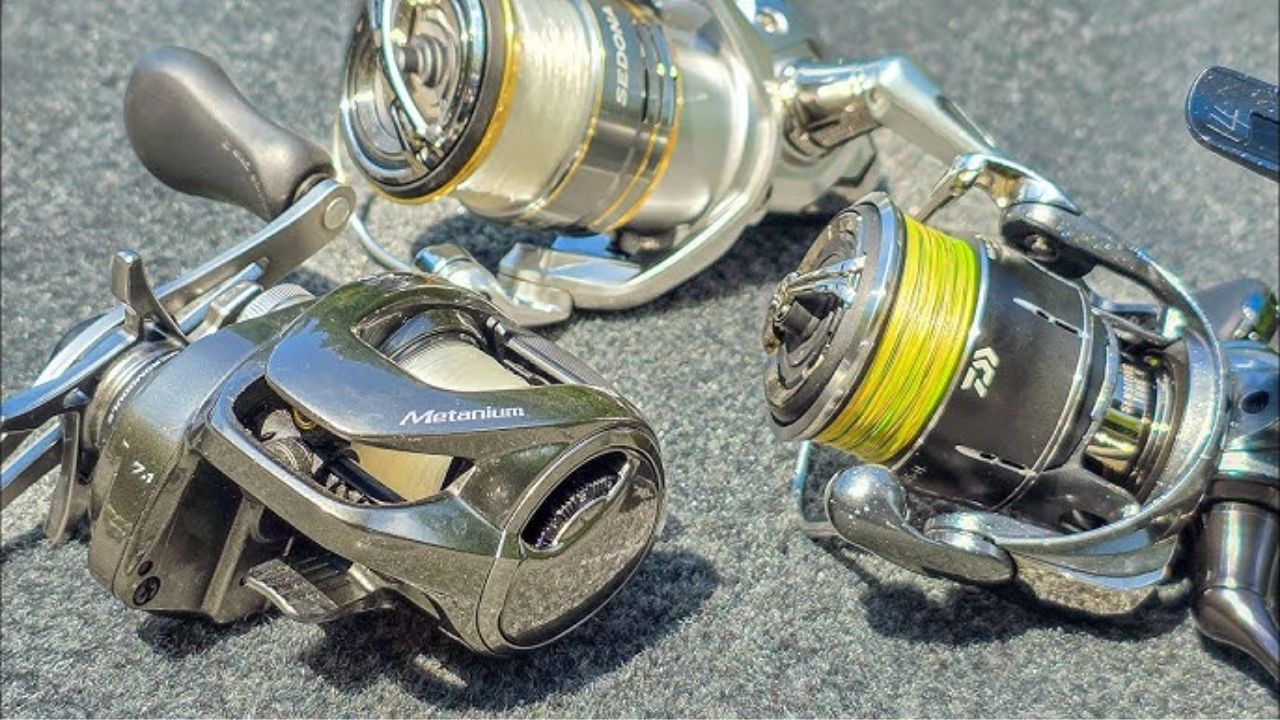
You pick up one of those baitcasting reels loaded with adjustable brakes and drag systems, thinking it’ll give you pinpoint control. But on a calm day chasing panfish, you’re fiddling with settings instead of casting. The backlash alone can eat up half your time, turning what should be easy flips into a mess of bird’s nests.
These reels shine in tournaments, sure, but for a casual trip, they demand practice you might not have. Stick with a simple spinning reel that lets you focus on the fish biting, not the gear failing. You’ll spend less time untangling and more time reeling in keepers.
Electronic Fish Finders
You strap a fish finder to your kayak, excited to see what’s below the surface. It beeps and flashes, showing depths and structures, but soon you’re glued to the screen instead of watching your line or enjoying the scenery. Batteries die at the worst times, and wiring it up adds setup that cuts into your fishing hours.
For a quick trip, relying on your eyes and experience spots the good areas just fine—ripples on the water or shady banks often hold fish without tech. Skip the gadget if you’re not mapping a huge lake; it complicates things when all you need is to drop a line and wait.
Fancy Multi-Compartment Tackle Boxes
You load up a tackle box with dozens of slots for every lure and hook imaginable, figuring organization is key. But rummaging through it on a small boat or slippery bank turns into a game of finding that one tiny swivel amid the chaos, especially when everything shifts around.
A basic bag or small box keeps essentials handy without the bulk. You’ve got your go-to baits; no need for a portable store. It weighs less on your shoulder and lets you move freely, keeping the trip light and focused on the water rather than sorting gear.
Specialized Fishing Lines
You try out those braided lines with high-test strength and zero stretch, sold as the upgrade for sensitivity. They work great in heavy cover, but on a simple stream trip, they snag easier on rocks and require special knots that slip if you’re not careful, leading to lost rigs.
Fluorocarbon or mono does the job for most outings without the fuss. It’s forgiving, ties quick, and doesn’t demand constant checks. When you’re out for fun, not records, basic line keeps things straightforward so you can cast more and worry less about breaks or tangles.
High-End Polarized Sunglasses
You invest in sunglasses with all the coatings and tints for spotting fish underwater. They cut glare well, but adjusting to different light or dealing with fogging turns them into a distraction, especially if they slide off during a cast.
A decent pair without the extras blocks the sun and helps you see boils or shadows just as effectively for a relaxed day. Save the premium ones for when you’re stalking trophy fish; otherwise, they add cost and care that pull you away from the rhythm of fishing.
Complicated Rod Holders
You set up rod holders with clamps and adjustable arms for hands-free fishing. They seem practical for trolling, but on a shore trip, assembling them takes time, and they tip over on uneven ground, risking your setup in the dirt or water.
A simple spike or even propping against a rock holds your rod steady enough without setup headaches. It lets you stay mobile, switching spots quick if the bite slows, keeping the outing uncomplicated and responsive to what’s happening.
Elaborate Bait Rigs
You tie on rigs with multiple hooks, droppers, and weights for versatility. They catch in theory, but in practice, they tangle on casts and make unhooking fish a puzzle, especially with small panfish or in wind.
A single hook with a bobber or sinker gets bites reliably without the knots coming undone mid-trip. You’ve hooked plenty that way over the years; it frees you to experiment less and enjoy more, turning potential frustration into steady action.
GPS Mapping Devices
You bring a handheld GPS to mark hotspots and navigate back. It logs data fine on big waters, but for a local pond or river bend, punching in coordinates pulls you from the moment, and dead batteries leave you guessing anyway.
Your memory and landmarks guide you back to productive spots just as well on familiar grounds. Ditch the device for simple trips; it adds weight and worry when exploring on foot or by feel keeps things engaging and free.
Battery-Powered Aerators
You haul an aerator to keep bait lively in a bucket. It pumps air steadily, but cords snag, batteries drain fast, and the hum drowns out the quiet you’re there for, turning a bucket of minnows into a maintenance chore.
A basic bucket with occasional water changes works for short outings without power issues. Fresh bait stays active enough that way, letting you focus on fishing rather than babysitting equipment that might fail when you need it most.
Custom Fly Tying Kits
You pack a kit with vices, threads, and feathers to tie flies on-site. It’s creative for long sessions, but during a quick trip, setting up the tools eats time, and wind scatters materials, leaving you frustrated instead of casting.
Store-bought flies or basics cover most needs without the mess. Tie at home if you must; out there, keep it grab-and-go so you spend your hours on the water hooking trout, not crafting imitations.
Oversized Landing Nets
You choose a net with extendable handles and rubber mesh for gentle handling. It scoops big fish well, but lugging it around tangles lines and bangs against brush, making hikes to spots awkward.
A compact net or even hand-landing smaller catches avoids the bulk. For everyday fishing, it streamlines your gear, letting you travel light and react fast when a fish strikes without extra weight slowing you down.
Electronic Bite Alarms
You clip on alarms that beep at the slightest tug. They alert you hands-free, but false triggers from waves or current have you running back constantly, disrupting the peace of waiting and watching.
Your rod tip or a bell does the same without batteries or setup. It keeps you attuned to subtle bites naturally, preserving the calm that makes fishing rewarding rather than turning it into a series of interruptions.

Asher was raised in the woods and on the water, and it shows. He’s logged more hours behind a rifle and under a heavy pack than most men twice his age.