Why some military veterans say the public is growing disconnected
Across the United States, a growing number of military veterans say the country they served feels increasingly distant from the wars, deployments, and sacrifices that shaped their lives. They describe a widening cultural and civic gap between a small volunteer force and a largely detached public, one that leaves many veterans feeling both highly praised and rarely understood.
That disconnect is now surfacing in debates over who serves, how the military is used, and whether civilian institutions still share a sense of obligation to those who fought in their name.
What happened
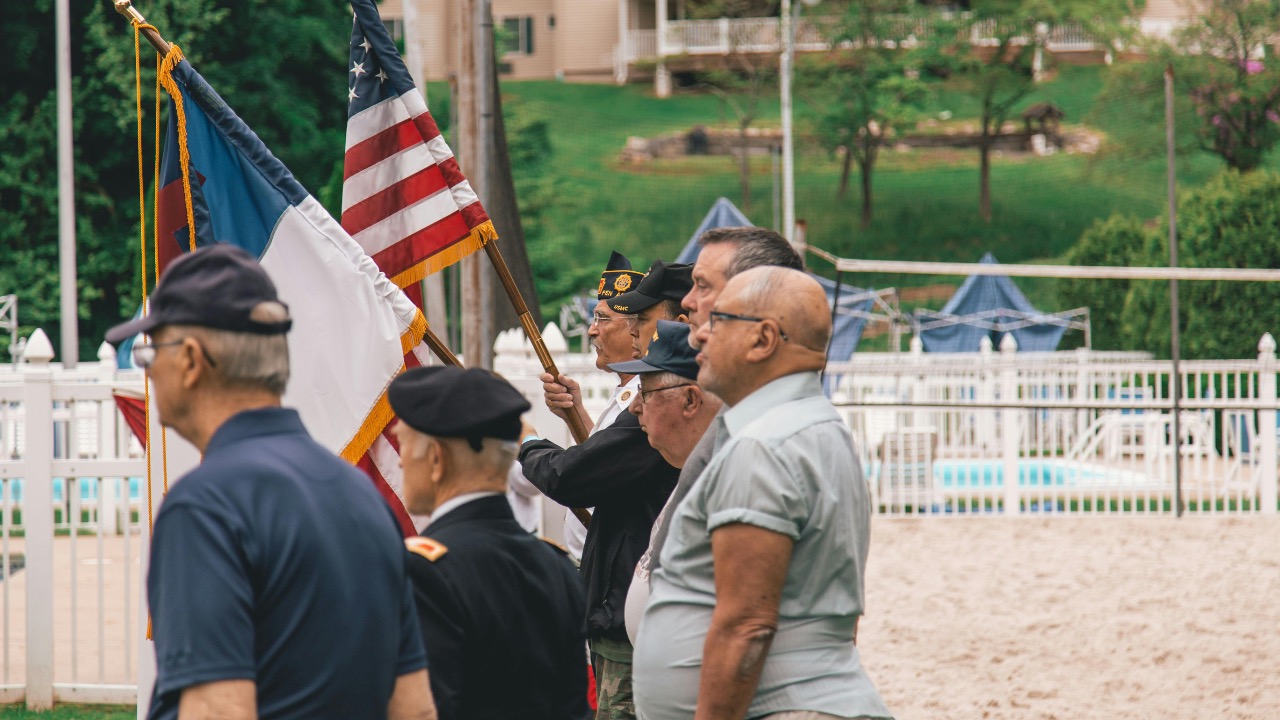
Veterans who came of age during the post‑9/11 wars now make up the core of the all‑volunteer force, yet they represent a shrinking slice of American life. Only a modest share of adults has worn a uniform, while a far larger portion has no close family member who served in Iraq, Afghanistan, or earlier conflicts. That imbalance has made military service feel concentrated in certain communities and almost invisible in others.
Concerns about that distance have sharpened as the armed forces struggle to meet recruiting goals. Senior leaders and veterans alike point to a mix of factors: fewer young people with direct exposure to the military, growing geographic separation between bases and major population centers, and a civilian culture that often treats war as background noise rather than shared responsibility.
The disconnection is not only about numbers. Some veterans argue that civilian leaders and commentators have turned military experience into a political talking point rather than a source of hard‑earned judgment. The recent controversy around veteran and media figure Pete Hegseth, whose military record and public statements have drawn scrutiny, illustrates how service can be invoked to win arguments or deflect criticism instead of deepening public understanding of war. In that debate, critics questioned whether his claims about military standards and patriotism accurately reflect the experiences of those who served, while supporters framed any challenge as an attack on veterans themselves. The clash highlighted how a small group of high‑profile personalities can shape civilian views of veterans far more than the quiet majority who never appear on television, a dynamic that many former service members see as another symptom of a public that knows the military mainly through distant media narratives rather than personal contact.
Meanwhile, veterans’ advocates have pressed universities, employers, and local governments to build more intentional ties to those who served. Some of that push has focused on higher education, where campus culture often feels far removed from military life. Policy proposals have urged universities to treat service members and veterans as a distinct civic asset, not just another admissions category. One agenda for reform calls on colleges to expand public‑service programs, strengthen veteran support offices, and create more coursework on national security and civil‑military relations, all with the goal of reconnecting elite institutions to the people who fight the country’s wars.
Why it matters
Veterans who warn of a growing gap are not simply asking for more appreciation. They argue that a democracy that rarely interacts with its own military is more likely to misuse it, misunderstand it, or ignore its long‑term costs.
One concern is strategic. When only a small fraction of families have skin in the game, elected officials face less direct pressure to explain why troops are sent into harm’s way or how long they will stay. Veterans of Iraq and Afghanistan often describe returning home to a country that seemed barely aware the wars were still going on, even as multiple deployments strained units and families. That sense of fighting on behalf of a public that had moved on still shapes how many of them view new debates over potential conflicts.
There is also a cultural concern. Veterans frequently report that civilian conversations about patriotism, protest, or national symbols feel oddly abstract compared with their own experiences. Some say they are celebrated at sporting events and on holidays, yet encounter stereotypes in daily life, from assumptions that every combat veteran has post‑traumatic stress to the idea that military service automatically implies a particular political ideology. The result is a kind of polite distance: high respect in polls and ceremonies, limited curiosity about the details of service.
This distance can also affect how the military itself evolves. Public debates about recruitment standards, discipline, and social change within the ranks often unfold with little input from those who have worn the uniform. The controversy around Pete Hegseth’s commentary on military culture, for example, sparked strong reactions among veterans who felt that sweeping claims about declining standards did not match the professionalism they saw in their own units. That split suggested that the loudest voices in civilian media may not represent the broader veteran community, yet their framing can heavily influence how non‑veterans view the force. When complex internal issues are reduced to ideological shorthand, it becomes harder for civilians to grasp what service members actually need from the society they defend.
The disconnect also shows up in who gets to shape public institutions. Many veterans argue that elite universities, think tanks, and major cultural centers have relatively few people with firsthand experience of military life. That absence can narrow the range of perspectives in classrooms, research agendas, and policy debates. Reformers who focus on higher education contend that universities should play a more active role in bridging this gap by recruiting more veterans as students and faculty, integrating topics like civil‑military relations into core curricula, and expanding partnerships with ROTC and public‑service programs. Their argument is that a stronger presence of veterans in these spaces would not militarize campuses, but instead give future lawyers, journalists, and policymakers a more grounded sense of what it means to send people into combat.
For veterans themselves, the stakes are personal. A society that rarely interacts with service members can easily overlook the long tail of war, from long‑term health issues to challenges with housing, employment, and family stability. When the public sees veterans mainly as heroes on holidays or as subjects of political debate, it can miss the more ordinary reality of navigating bureaucracy, seeking mental health care, or translating military skills into civilian careers. That gap in understanding can make it harder to sustain support for programs that veterans say they need most.
What to watch next
Veterans who worry about drifting apart from the public are watching several fronts where that relationship could either fray further or begin to repair.
Recruitment is one. If the military continues to draw heavily from a narrow set of regions, schools, and families, the sense of a separate warrior class is likely to deepen. Efforts to broaden the recruiting pool, including outreach in communities with little recent military tradition, will test whether the armed forces can rebuild everyday contact with civilian life. Changes in eligibility standards, marketing messages, and incentive structures will all signal how the institution responds to a generation that has grown up with long wars but little direct exposure to them.
Another front is education and civic life. Proposals that urge universities to renew their public‑service mission, including specific calls to expand veteran enrollment and strengthen programs that connect students to government and community work, offer one path toward closer ties. If campuses adopt more of these ideas, veterans could become more visible in classrooms and research projects, which in turn might shape how future leaders think about war, peace, and public obligation.
Media and politics will also play a role. As figures like Pete Hegseth continue to blend military identity with partisan commentary, veterans’ groups are likely to debate how to respond. Some will push for more diverse veteran voices in newsrooms, entertainment, and public forums so that one style of rhetoric does not define the entire community. Others will focus on encouraging civilians to engage directly with veterans in their own neighborhoods, workplaces, and civic organizations instead of relying on television personalities as stand‑ins.

Leo’s been tracking game and tuning gear since he could stand upright. He’s sharp, driven, and knows how to keep things running when conditions turn.