Why some regions saw fewer mature bucks this season
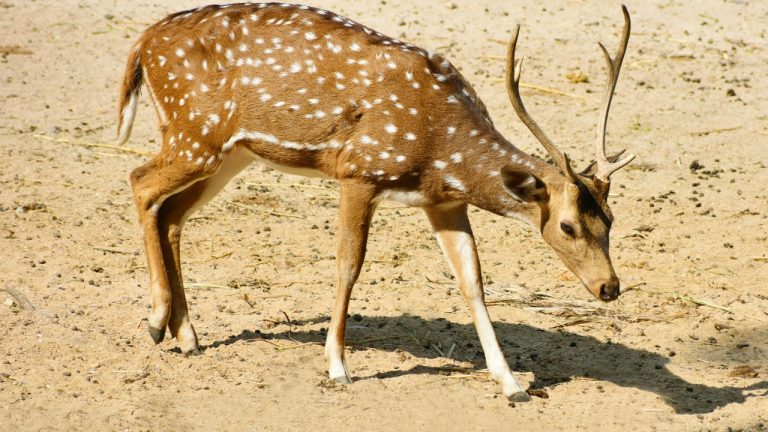
Across much of whitetail country, hunters walked out of the woods this season wondering where the older age‑class bucks went. Trail cameras that lit up with heavy antlers last fall went quiet, and many camps that usually hang a few 4½‑year‑olds or better ended the year with tags in pockets. The deer are not vanishing into thin air, but a mix of herd dynamics, disease, weather, food, and hunting pressure is reshaping how often mature bucks step into daylight where we can see them.
I have watched this pattern build over several seasons, and the story is rarely as simple as “too many hunters” or “not enough deer.” Mature bucks are always a minority in any herd, and small shifts in survival, movement, or visibility can make them feel scarce fast. When you stack that natural scarcity on top of disease events, changing mast crops, drought, and smarter hunting tactics, it is no surprise some regions saw fewer big‑bodied, heavy‑racked bucks on the meat pole this year.
Herd age structure and basic buck math

The first thing I remind frustrated hunters is that the numbers are stacked against seeing lots of older deer in the first place. In any whitetail population, only a relatively small slice of the herd ever survives long enough to become what most of us call a mature buck, usually 4½ years or older. Western mule deer managers say the same thing, noting that mature bucks make up a relatively small percentage of a herd and that these animals are currently tough to come by in places like Colorado, and whitetails follow the same basic math.
On top of that natural bottleneck, hunter harvest tends to lean heavily on younger age classes. National data from the 2024‑25 season show more than 3 million bucks taken, and analysts point out that for the mature buck harvest to climb in any state, the killing of young deer must obviously fall, because the percentage of yearling bucks killed is still high and the share of 2½‑year‑old bucks killed is even higher, especially in the Midwest. When a region leans hard on 1½‑ and 2½‑year‑old bucks year after year, it does not take much extra pressure or a bad disease year to make older deer feel almost nonexistent.
Why mature bucks are naturally scarce and secretive
Even in herds with decent age structure, older bucks are wired to be hard to find. Biologists who study Mature Whitetail Bucks explain that in any population, except for the most intensely managed private ground, the number of truly mature bucks will always be low, and those deer become increasingly less tolerant of others as they age, especially around bedding and core feeding areas, which pushes them into tighter, more secluded patterns that hunters rarely see in daylight Whitetail. That natural tendency to avoid competition and disturbance means the oldest bucks are often living on the fringes of where most people hunt.
Another layer is simple demographics. Analysts looking at Whitetail Population Demographics note that in most free‑range herds, the proportion of bucks that reach 4½ or older is small unless hunters intentionally pass younger deer and manage doe numbers carefully, and they add that a common reason hunters see fewer mature bucks is that the percentage of yearling bucks killed is high and the share of 2½‑year‑old bucks killed is even higher Common. When you combine that harvest pattern with the natural secretive behavior of older deer, a season with slightly tougher conditions can suddenly feel like the mature buck pool dried up, even if the underlying herd has not changed as much as it seems.
Disease hits and local herd setbacks
In some regions, disease has taken a real bite out of the buck crop that should be showing up now. Epizootic Hemorrhagic Disease, or EHD, tends to flare in late summer and early fall, killing deer quickly around water sources and often hitting adult bucks hard. Wildlife officials in Indiana have tracked EHD long enough to adjust regulations around it, and the state’s Epizootic Hemorrhagic Disease page notes that as of Sept, County antlerless bag limits, or CABL, were reduced in 7 counties for the 2025‑2026 seasons in response to documented outbreaks Epizootic. When managers are cutting antlerless tags like that, it is a clear sign that local herds, including the buck segment, have taken a hit that hunters will feel for several years.
Chronic Wasting Disease, or CWD, is a slower burn but it also shapes how many older bucks are around. Conservation groups tracking Deer Season, Hunting, CWD, Lessons Learned and What Comes Next report that over the 2025 deer season, they shared six stories from hunters and managers wrestling with CWD management, and they stress that the disease is a long‑term threat that forces changes in harvest strategies and carcass handling across whitetail and mule deer country Deer Season. Another overview aimed at hunters highlights that in 2025, deer hunters faced two major health concerns in whitetail and mule deer, spotlighting EHD and CWD and warning that EHD outbreaks often crash after the first killing frost while CWD lingers in the landscape for years Spotlight. In pockets where both diseases overlap, it is no surprise that the age structure skews younger and mature bucks are harder to come by.
Drought, weather, and changing movement
Weather can make a healthy buck herd feel empty if conditions push deer into nocturnal or tight patterns. Whitetail deer are more likely to move during daylight hours when temperatures are cool, especially if it has been warm previously, and they shift travel to find food and move when fronts change How. When a season lines up with unseasonably warm stretches during the pre‑rut and rut, mature bucks often stick to the last few minutes of legal light or move in heavy cover where stands and blinds are not set up, which leaves hunters feeling like the older deer vanished.
Drought adds another twist. A heavy drought creates oak mast failures in some areas and concentrates food and water in others, and radio‑collar work on bucks in 2025 showed that average daily movement patterns can shift significantly compared to long‑term data, with deer staying closer to does and key resources instead of roaming widely Average. Hunters who are not set up on those remaining green pockets or water sources may see far fewer mature bucks even though the deer are still there. One veteran hunter breaking down drought’s impact on video says that in drought seasons, if the dry pattern carries into fall, you will see huge changes in bedding and travel, and that mature bucks will often shift to tighter, more predictable but smaller home ranges around the best remaining cover and water Aug. If your stands are not in those zones, your odds of seeing an older buck in daylight drop fast.
Mast crops, food patterns, and “vanishing” bucks
Food distribution is another big reason mature bucks seemed to disappear in some counties this year. When mast is abundant, big game tend to move less and remain more dispersed, which makes them harder for hunters to locate, and wildlife managers in West Virginia have warned that heavy mast years spread deer across the landscape and reduce the effectiveness of traditional stand locations, especially when reduced soft mast means deer key even harder on scattered hard mast pockets When. In a season when acorns are raining in every hollow, a mature buck can feed within a few yards of his bed and never have to hit the open oak flat or food plot where you have a ladder stand.
On the flip side, 2025 has been flagged as a mast year in many parts of the country, and horticulture experts note that the mast year in 2025 means the crop next year is likely to be far smaller, although they add that this will not necessarily be the case for every plant species and that some trees will still produce while others cycle down The mast year. That boom‑and‑bust pattern in acorns and other mast can make mature buck sightings swing wildly from one fall to the next. In a bumper year, older deer may be everywhere but rarely visible in daylight because they do not have to travel far. In the lean year that follows, they may be far more concentrated and visible, but only in the few drainages or ridges that still have a decent crop.
Rut timing, travel, and “missing” home‑range bucks
Many hunters judge a season by what they see during the rut, and timing quirks can make that window feel feast or famine. Forecasts for the 2025 deer season point out that as late September rolls in, you will start to see a gradual increase in the amount of daylight activity among the bucks, especially if a cold front hits, and that by late October, bucks become restless and eager to breed, which ramps up daylight movement for a short stretch Sep. If your best hunting days did not line up with that surge, or if warm weather dulled it, you may have missed the main daylight window for the older deer in your area.
Once the rut kicks into high gear, bucks can shift home ranges enough that it feels like they vanished. Hunters comparing notes in 2025 pointed out that they are traveling to their rutting habitat during the pre‑rut and rut, and that bucks can travel miles away from their usual haunts, often returning once the breeding frenzy winds down and late season food becomes the priority again They. In some states, rut reports this past fall described current buck rutting activity as being in full swing in certain regions, with mature bucks locked on does in the Panhandle and northwestern counties right as gun season arrived, which meant many of those older deer were holed up in pockets of cover with hot does instead of cruising past traditional stand sites Current. If your hunting ground was between those core rutting areas instead of inside them, your cameras and stands may have gone quiet even though mature bucks were very active a few miles away.
Hunting pressure, access, and where older bucks hide
Hunting pressure does not always push deer miles away, but it absolutely changes how they move. Research on pressured whitetails shows that when hunters enter the woods, bucks often reduce the size of their core area instead of abandoning it, and that the complexity of their paths increases, meaning they make more use of less area and do not cross as much of the property, while their daylight movement tends to decrease with exposure to hunters However. In practical terms, that means a mature buck might still be living on your 200 acres, but instead of strolling past three stands in daylight, he is slipping through one overlooked thicket after dark and bedding within a hundred yards of the nearest access road.
At the same time, some of the best remaining age structure is hiding in places many hunters overlook. Public land hotspots that are hard to reach or lightly hunted often hold more older deer than the heavily managed private ground next door, and seasoned public land hunters say that if you do not believe mature bucks are using those areas, you should put out a few trail cams and see what roams through at night, because once bucks reach an age of 4½ or older, they tend to shift into these low‑pressure pockets and move mostly under cover of darkness Don. I have seen the same pattern on small overlooked corners of farm country, where a brushy drainage behind a subdivision or a narrow strip of timber along a creek holds the only 5½‑year‑old buck in the section simply because nobody ever walks in there with a rifle or bow.

Asher was raised in the woods and on the water, and it shows. He’s logged more hours behind a rifle and under a heavy pack than most men twice his age.