Why some rifles feel almost unfairly accurate
Some rifles seem to erase the gap between intention and impact, turning a careful squeeze of the trigger into a neat cluster of holes that almost overlap. That feeling of “unfair” precision is not magic, and it is not just marketing language, it is the result of small mechanical advantages stacking up until the rifle behaves more like a precision instrument than a blunt tool. I want to unpack how those advantages are built, how they are maintained, and why two rifles that look similar on the rack can feel worlds apart once you start shooting for tight groups.
What shooters really mean by “inherently accurate”
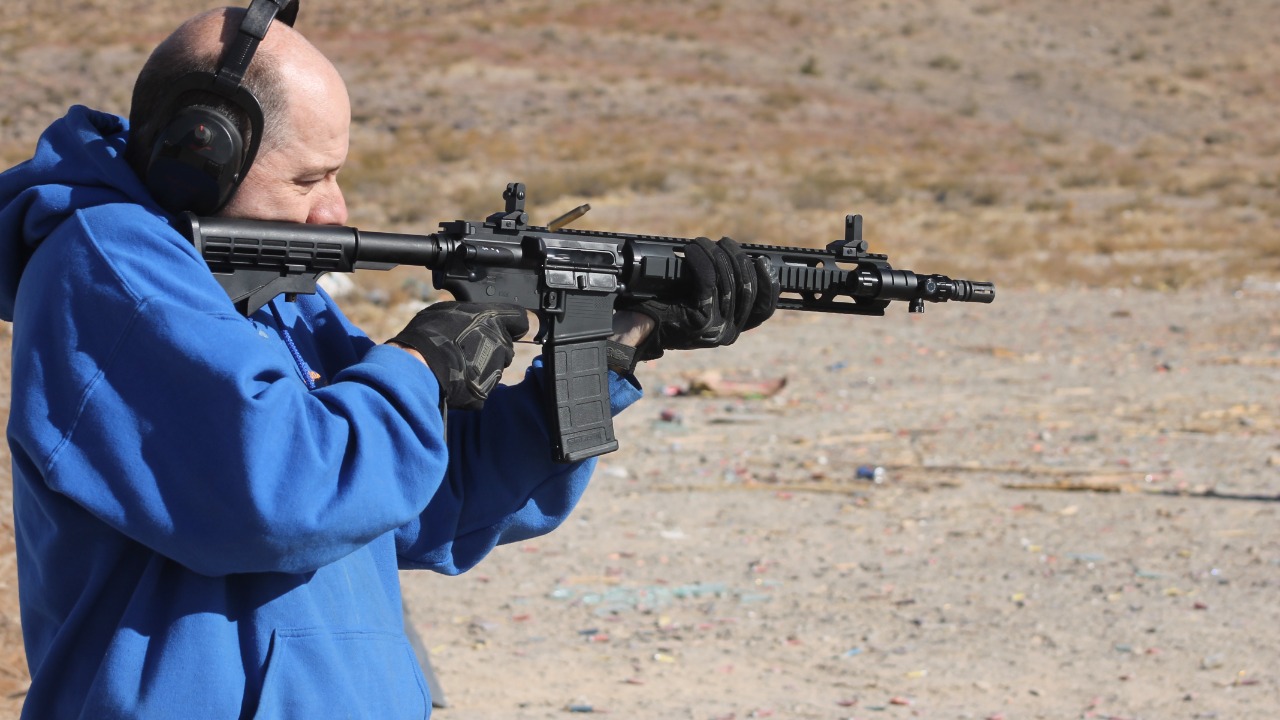
When people say a rifle is “inherently accurate,” they are usually talking about how consistently it can place shots when a skilled shooter does their part. In practice, that means the barrel, action, stock, and ammunition work together so predictably that the rifle’s mechanical errors are smaller than the shooter’s human errors. In online comments, people boil this down to a few core traits, such as barrel quality, barrel length, type of rifling, and the thickness or strength of the barrel steel, all of which influence how much the barrel vibrates and how consistently it spins the bullet.
That idea of “inherent” precision can be misleading, because it sounds like a mystical property baked into the metal. In reality, it is a shorthand for a long list of tolerances and design choices that reduce chaos. The same discussion threads that highlight barrel quality also point to the role of ammunition fit, explaining that if you run the ammo that a particular barrel “likes,” the groups can shrink dramatically. In other words, the rifle’s reputation for accuracy is really a reflection of how well its parts are made, how well they repeat the same motion, and how forgiving the system is when the shooter or the environment is less than perfect.
How barrel making quietly decides the winner
The barrel is where most of the magic, or disappointment, happens. A bullet spends only milliseconds in that steel tube, but in that time it is accelerated, spun, and guided, and any flaw in the bore can tip it off course before it even exits. Manufacturers that chase tiny groups invest heavily in processes like Button Rifling, where a hard, precisely shaped button is pushed or pulled through the bore to form the rifling grooves in one smooth motion. Because the button follows the same path every time, it can produce very consistent groove dimensions and surface finish, which helps bullets engage the rifling the same way shot after shot.
That consistency is only useful if the maker verifies it, which is why high end barrel shops inspect each barrel for straightness, uniform bore diameter, and surface defects before it ever reaches a rifle. When every barrel is checked and only those that meet tight standards move forward, the odds of a “lemon” that throws shots all over the target drop sharply. I see the downstream effect of that on the range, where rifles built around carefully rifled and inspected barrels tend to shoot well with a wide range of loads, while cheaper barrels can be finicky, only grouping acceptably with one specific bullet weight or velocity window.
Why some actions lock up like a bank vault
Even a perfect barrel cannot save a sloppy action. The way the bolt locks into the receiver, and how repeatable that lockup is, has a direct impact on where shots land. In one widely shared discussion about semi-auto marksman rifles, a commenter under the name dr_steve_bruel explains that a bolt action’s bolt gets locked in position in a very rigid and consistent way, while a semi-automatic design has more moving parts and more variables in how the bolt returns to battery. That difference in lockup repeatability is a big reason precision shooters still lean heavily toward bolt actions when they want the smallest possible groups.
Inside any action, the details matter. If the bolt lugs do not mate evenly with their recesses, or if the receiver face is not square to the barrel, the cartridge can sit slightly off center or at a tiny angle. Over distance, that small misalignment translates into larger dispersion on target. Shooters who chase extreme precision often pay gunsmiths to “blueprint” or “true” an action, which means machining those surfaces so the bolt fits with minimal play and locks up identically every time. When that work is done correctly, the rifle stops throwing the occasional unexplained flyer, and the groups start to look like the rifle is almost cheating on behalf of the shooter.
Stocks, bedding, and the humble dollar bill test
The stock is easy to overlook because it looks like furniture, but it is the structure that holds the barreled action in place while recoil tries to twist and shift everything. If the stock flexes or presses unevenly on the barrel, the point of impact can wander as the rifle heats up or as you change how you hold it. A simple way to check for unwanted contact is the old “Do the Dollar Bill Test,” where you slide a bill between the barrel and the stock to see if the barrel is truly free floated. In a short instructional video, a gunsmith walks through how you should be able to move that bill along most hunting rifles without it snagging, and how a tight spot can signal a pressure point that hurts accuracy, a tip captured in the phrase Dollar Bill Test.
How the action is bedded into the stock matters just as much. Some shooters still smear oil into wooden stocks, hoping it will “season” the wood, but detailed guidance on basic rifle accuracy points out that this is a non productive practice, especially on synthetic stocks that cannot soak up oils. Instead, the focus should be on solid bedding that supports the action evenly and keeps it from shifting under recoil. When the stock and bedding are right, the rifle returns to the same position shot after shot, which is a big part of why some rifles feel like they are doing half the work for you.
Cleanliness, fouling, and the “dirty barrel” problem
Even the best built rifle will start to lose its edge if the bore is neglected. Powder residue, copper fouling, and even tiny traces of lubricant can build up over time, changing how the bullet engages the rifling and how pressure builds behind it. In a short breakdown of common problems, one instructor lists a dirty barrel as the first of three major issues that cause inaccuracy, emphasizing that fouling in the barrel is often the hidden culprit when groups suddenly open up. That matches what I see on the range when a rifle that once shot tight clusters starts stringing shots vertically or throwing random flyers.
When a rifle “goes rogue” after previously shooting well, experienced armorers often start with the same advice, which is to “Clean the Bore” thoroughly before chasing more exotic explanations. One detailed troubleshooting guide notes that this is the single biggest issue they encounter with rifles that have lost accuracy, and that many owners think they have cleaned the barrel when they have never actually gotten it fully clean. That is why I pay close attention to the bore when diagnosing accuracy trouble and why I take the time to run a proper solvent and brush regimen, a habit reinforced by the reminder to Clean the Bore before adjusting scopes or swapping parts.
Human factors: recoil, flinch, and the illusion of mechanical perfection
It is tempting to blame the rifle whenever shots miss, but the shooter is often the largest variable in the system. Recoil, noise, and anticipation can all push the muzzle off target in the instant before the bullet exits. In a candid Comments Section about why accuracy with guns feels so difficult, one user named alphadavenport points out that when you shoot a gun, it kicks way more than you would think, and that as you pull the trigger you instinctively tense up or flinch. That small, subconscious movement is enough to turn a mechanically capable rifle into what looks like a scattergun on paper.
From my perspective, this is where “unfairly accurate” rifles can create a kind of optical illusion. A rifle with low recoil, a crisp trigger, and a forgiving stock design makes it easier for the shooter to stay relaxed and focused through the shot, which in turn lets the rifle’s mechanical precision show up on target. The same shooter behind a harsher recoiling, poorly fitted rifle might suddenly look much less skilled. That is why I always caution people to separate mechanical accuracy from practical accuracy, and to remember that the most precise barrel in the world cannot overcome a flinch that starts the moment the trigger finger moves.
Manufacturing tolerances and why some guns are “born bad”
Not every accuracy problem can be fixed with cleaning or practice. Some rifles leave the factory with flaws that are baked into their DNA, the result of loose tolerances or rushed quality control. In one detailed thread about why people call a firearm accurate or inaccurate, shooters point to poor manufacturing techniques as a root cause, noting that if the lock up of the bolt is not identical every time, or if the bolt does not fit into the gun with precision, the rifle will never be truly consistent. They also highlight that the ammunition used is another huge factor, since even a well made rifle will struggle if the cartridges vary in length, neck tension, or powder charge.
From a journalist’s vantage point, this is where the market quietly sorts itself. Rifles built with tight, repeatable machining and thorough inspection tend to earn reputations for punching above their price, while those with spotty quality control become the subject of frustrated range reports and warranty returns. I have seen rifles that could not be made to group under two inches at 100 yards no matter what ammunition or optic was used, only to discover later that the barrel was not properly aligned with the receiver or that the crown was damaged from the factory. Those rifles are not cursed, they are simply examples of how small deviations in manufacturing can overwhelm everything the shooter does right.
Why some designs are more forgiving than others
Design choices can make a rifle either forgiving or finicky. Heavy, stiff barrels tend to vibrate less and in more predictable patterns than thin, whippy ones, which is why precision rifles often wear thick profiles even when that adds weight. In the earlier Comments Section about inherent accuracy, people highlight barrel thickness and strength as key reasons some rifles hold tight groups even as they heat up, while lighter barrels start to walk shots across the target. That stiffness acts like a shock absorber for the chaos of firing, keeping the muzzle closer to where it started when the bullet exits.
Action type is another design lever. As noted in the discussion of semi-auto marksman rifles, the bolt action’s simple, rigid lockup gives it an edge over semi-automatic systems that rely on gas or recoil operation and have more moving parts cycling with each shot. That does not mean semi autos cannot be accurate, but it does mean they have more variables to control, from gas port size to carrier speed. When a design minimizes moving mass during the critical moment of bullet travel, and when it routes recoil straight back into the shooter’s shoulder instead of torquing the rifle sideways, it becomes much easier for the shooter to feel like the rifle is almost steering itself onto the target.

Leo’s been tracking game and tuning gear since he could stand upright. He’s sharp, driven, and knows how to keep things running when conditions turn.