Why used guns are drawing more interest than new ones
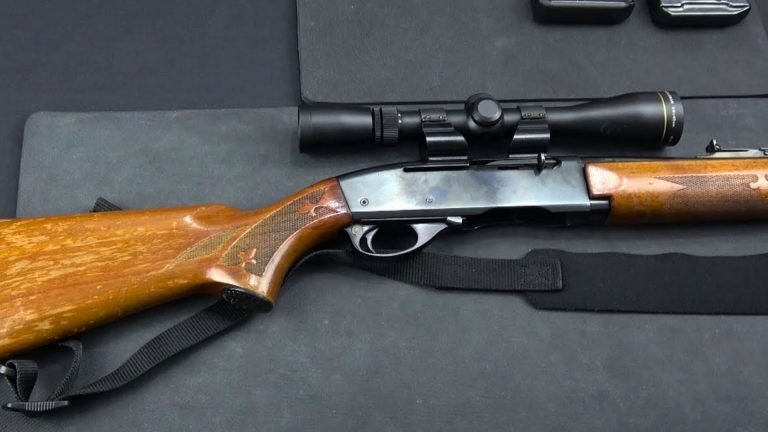
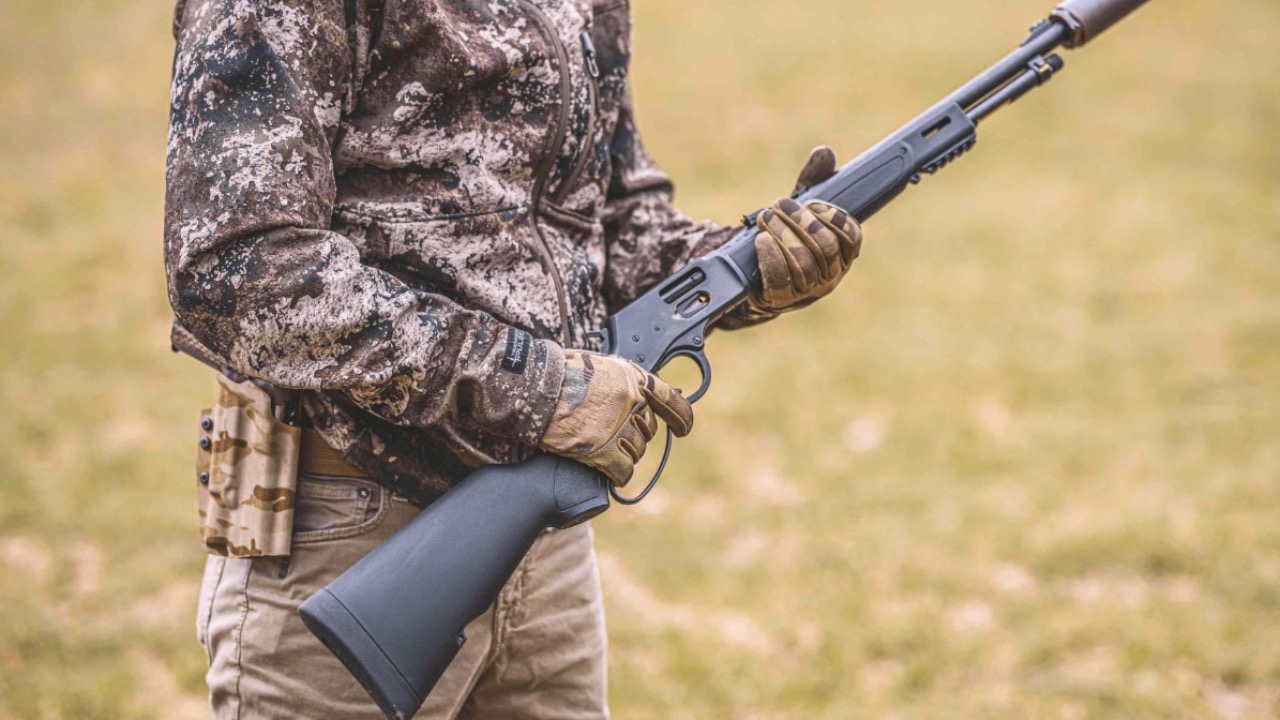
Used guns are no longer the dusty afterthought on the back rack. With new firearm prices climbing and supply swinging in fits and starts, more buyers are turning to secondhand rifles, shotguns, and handguns as their first stop instead of their last resort. The shift is reshaping how shops stock their shelves, how collectors thin their safes, and how newcomers stretch a tight budget without giving up reliability.
I have watched that change play out at gun counters and online classifieds, where clean used pieces now move as fast as new inventory. The appeal runs deeper than price tags. From boomer collections hitting the market to online marketplaces that make it easy to compare dozens of listings in a few clicks, the used side of the business is starting to look like its own ecosystem rather than a clearance bin.
The money math: why Cost Savings rule the day
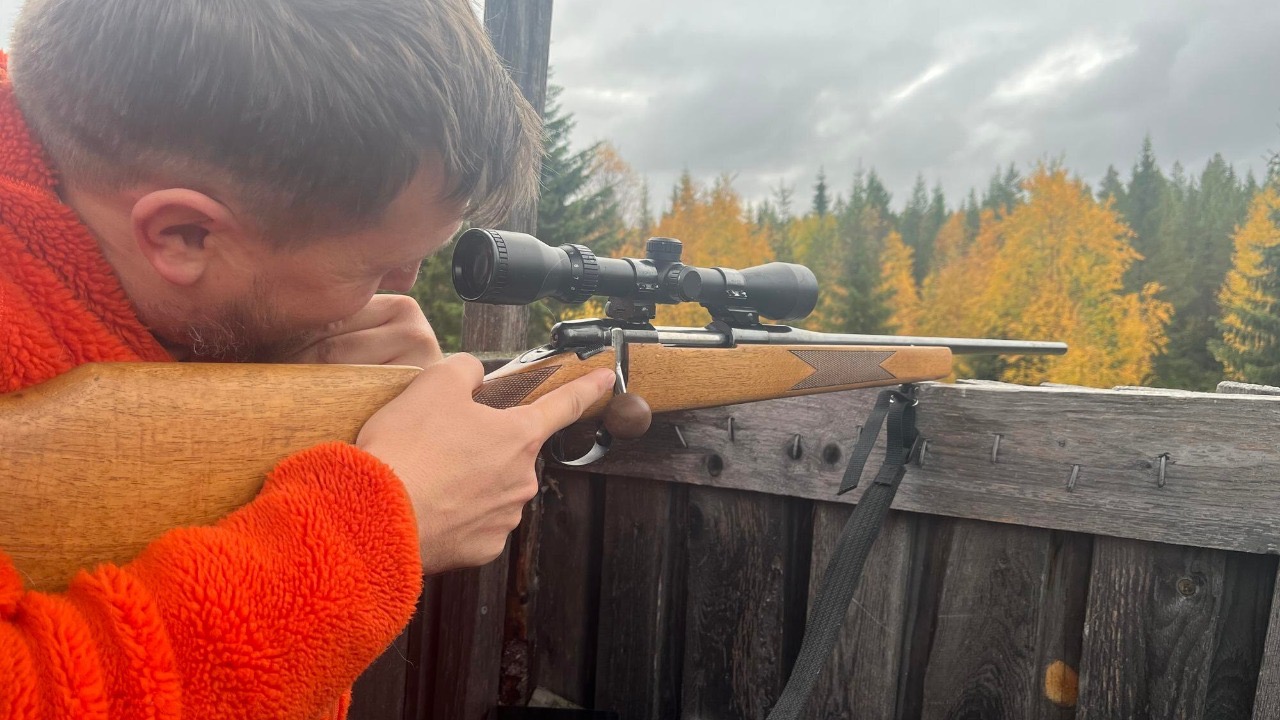
For most buyers, the first reason to look at a pre-owned gun is simple: Cost Savings. A new polymer pistol or mid-tier bolt gun can eat up a paycheck, especially once you add a case, sling, and a couple boxes of ammo. When I compare the same model new and used, it is common to see the secondhand version listed for a fraction less, even when it has barely left the safe. One of the most significant advantages of purchasing used firearms is that the price gap can free up cash for training, optics, or a better stock, and that is before you factor in the transfer fees and taxes that stack up on a brand-new gun.
That price advantage is even more obvious online, where dozens of sellers compete on the same search page. Whether you are hunting for a basic pump shotgun or a higher end 1911, used listings often undercut local shops while still passing through the same background check process. Detailed breakdowns of Cost Savings point out that used guns listed on national marketplaces can be significantly cheaper than what you will find in many brick and mortar stores, especially for common platforms that see a lot of turnover. When you are trying to outfit a new hunter or build a backup rifle without draining the bank account, that discount is hard to ignore.
Resale value and the Market Overview on used guns
Price is only half the equation. The other half is what happens when you decide to sell. Firearms tend to hold their value better than most consumer gear, and that is especially true once the first owner has already taken the initial depreciation hit. A recent Market Overview of the secondary firearm market notes that private sales and transfers have stayed strong even when other sectors cooled, and that firearms in excellent condition can deliver solid returns in the current market. Collector’s items and limited editions often appreciate over time, which means a careful buyer can treat a used purchase as both a tool and a store of value.
That pattern shows up in day to day deals. In one widely shared Comments Section, one user, Ergo, points out that for 90% of used guns you are mostly looking at cosmetic damage and that Your average shooter does not notice minor wear. That same discussion notes that many guns resell for around 80% of the new price if they are kept in good shape. When you buy used at a discount and can later recover most of what you paid, the long term cost of ownership drops even further. Analyses of Market Overview data back that up, showing that well maintained firearms can outperform many other consumer goods when it comes time to sell.
Why retailers are chasing used inventory margins
The surge in secondhand interest is not only about buyers. Dealers have figured out that used inventory can be a profit center in its own right. New guns come with tight margins and factory minimum advertised prices that limit how much a shop can mark them up. Used guns, on the other hand, are bought at negotiated prices and resold at whatever the local market will bear. Industry reporting on the used segment notes that at twice the margin, used guns can be more profitable than new ones, especially in the C&R niche where collectors are willing to pay for condition and originality.
That incentive is especially strong in the C&R and surplus space, where the supply pipeline is changing fast. One analysis describes the huge 73 m post-WWII population of the retiring and already retired boomer generation as a major Source of C&R Guns, with many of those owners now in their 60s and 70s and looking to sell off decades of accumulation. Retailers who position themselves as trusted buyers for those estates can turn that flow into a steady stream of inventory. Guides on Source of used Guns point out that those C&R pieces, many of them WWII era or Cold War imports, can deliver some of the best margins in the store. A second look at the same trend through another Guns report underlines how central those WWII linked collections have become to the used market’s growth.
How boomers and nostalgia are flooding the racks
Walk into a shop that leans hard into used guns and you will see more than polymer pistols and budget ARs. Rows of walnut stocked bolt actions, blued steel revolvers, and oddball imports are showing up as older owners decide it is time to thin the herd. A detailed look at this demographic shift notes that the marketing demographic of the used gun market is heavily shaped by the huge 73 m post-WWII baby boom generation, who are aggressively selling off their collections. Many of those guns were bought in the 1970s, 1980s, and 1990s, when surplus Mausers, SKSs, and police trade in revolvers were cheap and plentiful.
For younger buyers, those guns are not just tools, they are a piece of nostalgia and history. A clean Smith & Wesson K frame or a WWII marked bolt gun connects them to a different era of gunmaking. Retailers who understand that emotional pull are tailoring their messaging accordingly, framing used inventory as a way to own a slice of the past rather than a compromise on quality. Coverage of how shops are connecting with this trend highlights that many customers are not only chasing deals, they are chasing stories tied to WWII and the decades that followed. A separate look at the same dynamic in another Source of C&R Guns report reinforces how central those WWII era collections are to the current wave of used inventory.
Online marketplaces and the new used-gun showroom
Not long ago, buying a used gun meant scanning the local classifieds or hoping your shop had something interesting on consignment. Now, national online marketplaces function as a virtual showroom where you can scroll through hundreds of listings in a single sitting. Detailed guides on the pros and cons of buying used firearms online point out that one of the big PROS of buying used firearms is the sheer variety that can be found at online marketplaces, from common hunting rifles to obscure target pistols that might never show up in a small town shop.
Those same breakdowns stress that One of the most significant advantages of purchasing used firearms online is the price, since sellers compete across the entire country instead of a single zip code. Whether you are looking for a budget .22 for plinking or a higher end over under for upland birds, you can often find a better deal by widening your search radius. Analyses of PROS of online used buying emphasize that this national reach also makes it easier to track down specific generations or configurations that are no longer in production. A second look at the same topic through another One of the analyses underlines how Whether you shop locally or online, the used channel has become a primary way to land a bargain on a firearm that still has decades of service left.
How rising new-gun prices push buyers to used racks
Another force pushing shooters toward secondhand guns is the steady climb in new gun prices. Inflation, supply chain hiccups, and spikes in demand have all played a role. Auction data from recent years shows that with supply down and demand up, 2023 gun prices and trends continued to see strong results, especially for desirable models. When the same pattern carries over into retail shelves, a new mid tier hunting rifle or defensive handgun can cost significantly more than it did a few seasons ago.
That squeeze is especially obvious for younger shooters and families trying to get into the field without taking on debt. When a new pump shotgun edges toward four figures once you add tax and a few boxes of shells, a used alternative at half to two thirds of that price starts to look very attractive. Analyses of how gun prices are going up highlight that this is not limited to rare collectibles. Everyday workhorses are seeing higher price tags too. A second look at the same trend through another Rock Island Auction data point shows that when collectors are willing to pay more at auction, it often signals that retail prices will not be far behind, which only strengthens the case for buying used.
When new still makes sense: Freedom of Choice and warranties
None of this means new guns have lost their place. There are still good reasons to buy off the fresh shelf, especially if you want the latest features or a specific configuration. Guides aimed at first time buyers note that with brand new pistols, rifles, and shotguns, you get Freedom of Choice in terms of color, barrel length, optics ready cuts, and accessory compatibility. Manufacturers have been rolling out updated versions of classic designs with improved ergonomics, better triggers, and optics ready slides, and those upgrades may not be available in older used models.
New guns also come with factory warranties and the peace of mind that you are the first owner. If something goes wrong, you can send it back without worrying about who modified it before you. Analyses that help shooters Discover whether they should buy new or used point out that these new versions came with refinements that matter for some buyers, especially those who plan to carry a handgun daily or rely on a rifle for serious backcountry work. A closer look at those tradeoffs in another Discover style guide underlines that while used guns can be a bargain on a firearm, new ones still win on customization and support. A second pass at the same theme through another Freedom of Choice focused breakdown reinforces that point.
Used guns as a smart investment, not a compromise
For many shooters, the biggest mental hurdle with used guns is the fear of inheriting someone else’s problem. In practice, that risk can be managed with a little homework. Detailed guides on why buying a used firearm can be a smart move emphasize that Cost Savings are only the starting point. By purchasing from a reputable seller, you can land High quality and Well cared for pieces that have already proven themselves on the range. Many used guns on the rack were carried little and shot even less, especially in the hunting world where a rifle might see a few rounds a year.

Asher was raised in the woods and on the water, and it shows. He’s logged more hours behind a rifle and under a heavy pack than most men twice his age.