Why Wolf Reintroduction Remains So Controversial
If you’ve spent any time in the West over the last 30 years, you’ve heard the arguments. Wolf reintroduction isn’t some abstract wildlife policy debated in a college lecture hall. It’s something that plays out on ranches, in elk camps, at state commission meetings, and in ballot boxes.
You can’t talk about modern wolf recovery without mentioning the return of gray wolves to Yellowstone National Park in 1995. Since then, the species has expanded across parts of Wyoming, Montana, Idaho, and more recently into Colorado. On paper, it’s a conservation success. On the ground, it’s far more complicated. Here’s why the debate refuses to cool off.
Rural Communities Feel the Costs Differently
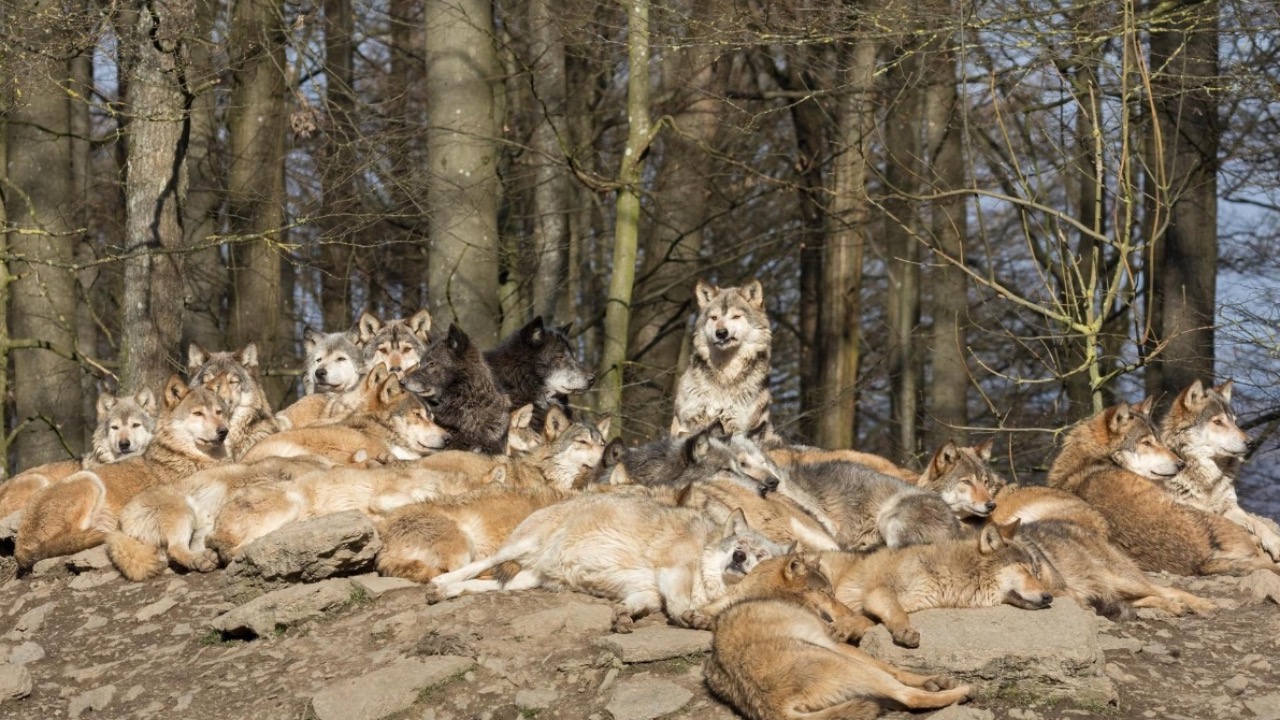
If you live in town and see wolves as a conservation victory, that perspective makes sense. But if you run cattle or sheep in wolf country, your view changes quickly. Livestock depredation is documented every year, and while compensation programs exist, they rarely cover indirect losses like weight loss, stress-related breeding issues, or time spent monitoring herds.
You may hear that confirmed kills are low compared to total herd numbers. That’s technically true. But when it’s your calves or lambs, statistics don’t soften the blow. For many rural families, wolves aren’t a symbol. They’re a recurring expense and a constant concern during calving season.
State vs. Federal Control Creates Tension
Wolf management has shifted repeatedly between federal protection under the Endangered Species Act and state oversight. Every time wolves are delisted or relisted, management plans change. Hunting seasons open, then close.
If you’re a hunter or landowner trying to plan ahead, that uncertainty breeds frustration. States argue they can manage sustainable populations. Federal agencies cite broader recovery goals and legal challenges. The tug-of-war leaves wildlife departments stuck in the middle, and you’re left wondering who actually has authority over the animals on your landscape.
Big-Game Herd Impacts Are Hotly Debated
In some regions, elk and deer herds declined after wolves established packs. In others, populations remained stable or rebounded. Data varies by unit, habitat quality, winter severity, and predator density.
If you hunt elk in heavily pressured units, you may feel wolves changed the game. Elk spend more time in timber, move differently, and avoid open basins during daylight. Biologists will tell you habitat, drought, and human pressure also matter. They’re right. But when you watch herd numbers drop while wolves expand, it’s hard not to connect the two. That tension keeps the argument alive.
Urban and Rural Values Collide
Many wolf restoration efforts are supported strongly in cities and suburbs, where residents won’t live alongside the animals. Ballot initiatives have played a growing role in wildlife decisions, including the 2020 vote in Colorado to reintroduce wolves.
If you ranch or guide in wolf country, you may feel decisions are being made by people far removed from the consequences. On the other hand, urban voters argue wildlife belongs to everyone, not only those who live near it. That philosophical divide runs deeper than biology. It’s about who gets to decide how shared public wildlife is managed.
Compensation Programs Don’t Solve Everything
States offer reimbursement for confirmed livestock losses, but confirmation requires evidence. Wolves don’t always leave clear signs, and scavengers complicate investigations.
Even when you’re compensated, checks often arrive months later. Indirect losses—like stressed cows aborting calves or livestock bunching and injuring themselves—rarely qualify. If you depend on thin margins to stay afloat, that uncertainty feels risky. Compensation addresses part of the problem, but it doesn’t eliminate resentment or fear about expanding wolf populations.
Wolves Change Human Behavior
Wolves don’t only alter prey movement. They change how you use the land. Hunters scout differently. Ranchers spend more time riding fence lines. Outfitters adjust camp locations.
There’s also a safety perception issue. Verified wolf attacks on humans in the Lower 48 remain extremely rare, but the presence of large predators shifts how families think about hiking, letting kids roam, or running dogs. Whether that fear is statistically supported or not, it shapes opinions in a powerful way.
Tribal Perspectives Add Another Layer
For many tribes, wolves hold cultural and spiritual significance. Some support restoration as a matter of cultural respect and ecological balance. Others focus on local game impacts and subsistence concerns.
Tribal sovereignty means wildlife decisions can intersect with treaty rights and independent management authority. If you’re looking at the issue only through a state wildlife lens, you’re missing a critical piece. Wolf policy often sits at the crossroads of conservation, culture, and law.
Success Itself Creates New Challenges
Wolf recovery in parts of the Northern Rockies exceeded initial population goals years ago. Packs dispersed into new areas, including agricultural valleys and suburban edges.
Once a species rebounds, the conversation shifts from recovery to control. How many wolves are enough? Who sets that number? If populations grow beyond original targets, continued federal protection feels excessive to some. Others argue long-term genetic health requires wide distribution. The debate evolves, but it never really ends.
Trust in Agencies Is Fragile
You may notice that wolf discussions often turn into arguments about trust. Ranchers question depredation counts. Hunters question herd surveys. Advocacy groups question lethal control.
Wildlife agencies operate with data, but data doesn’t always settle disputes. When one side feels ignored or misrepresented, confidence erodes. And once trust slips, every management decision—whether it’s a limited hunt or a relocation effort—gets scrutinized through a lens of suspicion.
Wolf reintroduction remains controversial because it touches more than ecology. It affects livelihoods, hunting traditions, political authority, and personal identity. You can support predator recovery and still acknowledge the strain it places on certain communities. You can defend livestock producers and still recognize the ecological role wolves play.
The hard truth is this: wolves are back in much of the West. The question isn’t whether they belong. It’s how you balance biological success with the people who live closest to it.

Asher was raised in the woods and on the water, and it shows. He’s logged more hours behind a rifle and under a heavy pack than most men twice his age.