Wildlife Experts Say Increasing Predator Sightings May Be Changing Hunting Patterns
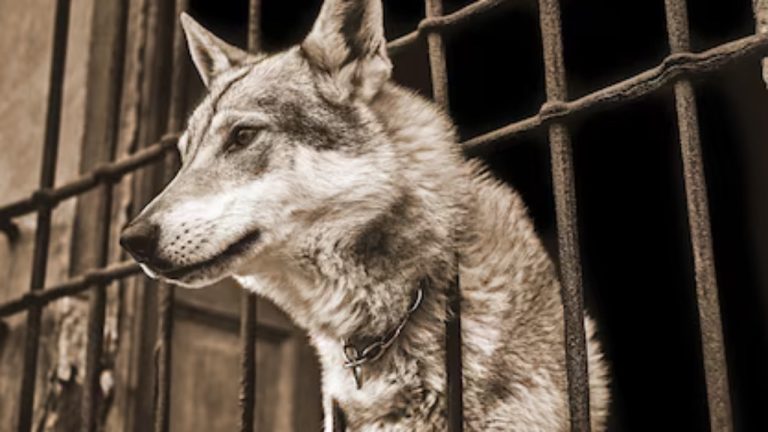
Wildlife experts are starting to notice a shift in how animals behave as predator sightings increase across different regions. Whether it’s coyotes moving into suburban areas or larger predators expanding their range, these changes are beginning to affect how prey animals move, feed, and respond to risk.
Researchers say the presence of predators doesn’t just impact population numbers — it changes behavior. Animals that feel pressure from predators often become more cautious, adjusting where and when they move to avoid danger. That shift alone can have a direct effect on hunting patterns, even if predator numbers aren’t dramatically higher.
Prey animals are adapting faster than expected
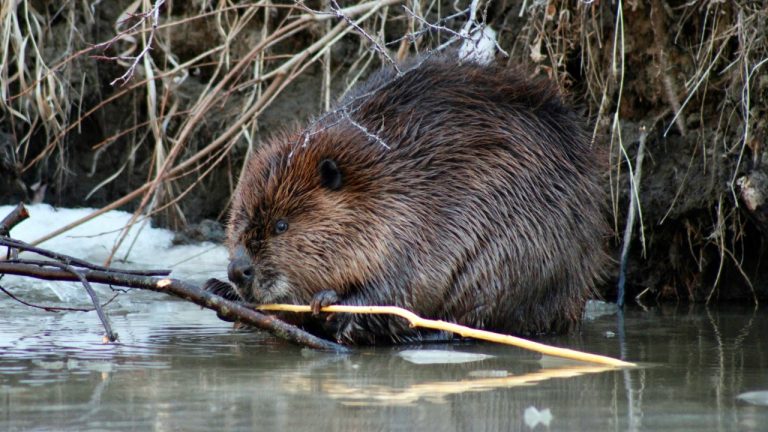
One of the biggest changes experts are seeing is how quickly prey animals adjust their habits. Studies show that once animals detect predators, they often reduce movement and stick to smaller, safer areas to avoid being exposed.
This kind of behavior can make hunting more difficult because animals aren’t moving through open areas as often. Instead, they stay hidden longer, feed in safer zones, and become more alert overall. Even when predators aren’t actively hunting, the threat alone is enough to reshape how prey animals behave day to day.
The “fear effect” is changing movement patterns
Wildlife researchers often talk about something called the “fear effect,” where animals change behavior simply because predators are present. It’s not always about being chased — it’s about avoiding the possibility of being hunted in the first place.
This can lead to major shifts in habitat use. Prey animals may avoid open land, change feeding times, or move into less ideal areas just to stay safer. Over time, those changes can affect their health, reproduction, and overall population balance, since they may not be feeding as efficiently as before.
Predators are adapting too
It’s not just prey animals changing. Predators are also adjusting how they hunt based on prey behavior and environmental conditions. Research shows predators can shift hunting methods and locations depending on how prey respond, creating a constant back-and-forth dynamic.
In some cases, predators may hunt at different times of day or target different areas entirely. This ongoing adjustment between predator and prey is part of what keeps ecosystems balanced, but it also means hunting patterns are never static.
More predator sightings don’t always mean more danger
An increase in sightings doesn’t always mean predator populations are exploding. In some cases, animals are simply becoming more visible due to habitat changes or reduced fear of humans. For example, studies have found that urban coyotes tend to take more risks and appear more frequently than their rural counterparts.
That visibility can create the impression that predators are everywhere, even if actual population numbers haven’t changed as much as people think. Still, the increased interaction is enough to influence how other wildlife behaves.
What this means for hunting patterns going forward
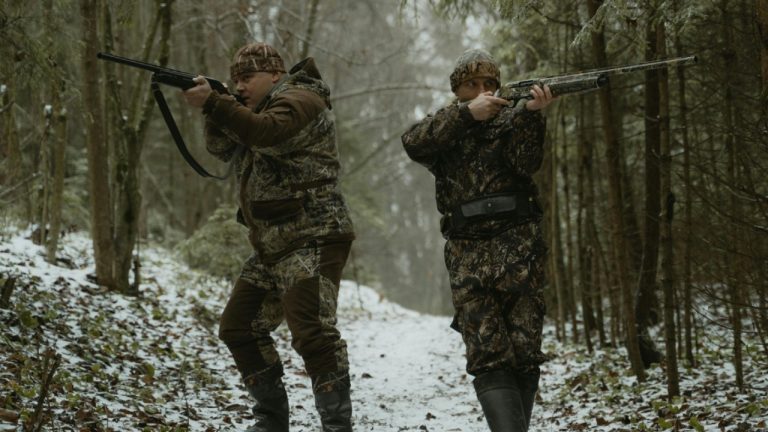
As predator activity and visibility continue to shift, hunting patterns — both for animals and humans — are likely to keep changing as well. Prey animals becoming more cautious can make them harder to locate, while predators adapting their strategies adds another layer of unpredictability.
Experts say these changes are a normal part of how ecosystems evolve. Predator and prey species constantly influence each other, adjusting behavior over time. The result is a moving target — literally — where patterns that worked a few years ago may not work the same way today.

Leo’s been tracking game and tuning gear since he could stand upright. He’s sharp, driven, and knows how to keep things running when conditions turn.