Why Some Warplanes Build Legendary Reputations
Some combat aircraft do far more than fight. They become shorthand for national survival, technological leaps, or a particular kind of daring, and their reputations grow long after the last sortie. From early biplanes to stealth fighters, a handful of warplanes keep returning in debates, museums, and popular culture because they seem to define what airpower can do.
Those reputations are not accidents. They grow out of specific missions, engineering breakthroughs, and the way pilots and publics talk about them afterward. Looking at a few famous machines across eras shows how performance, timing, and storytelling combine to turn metal and fuel into legend.
How legends are made: performance, timing, and myth
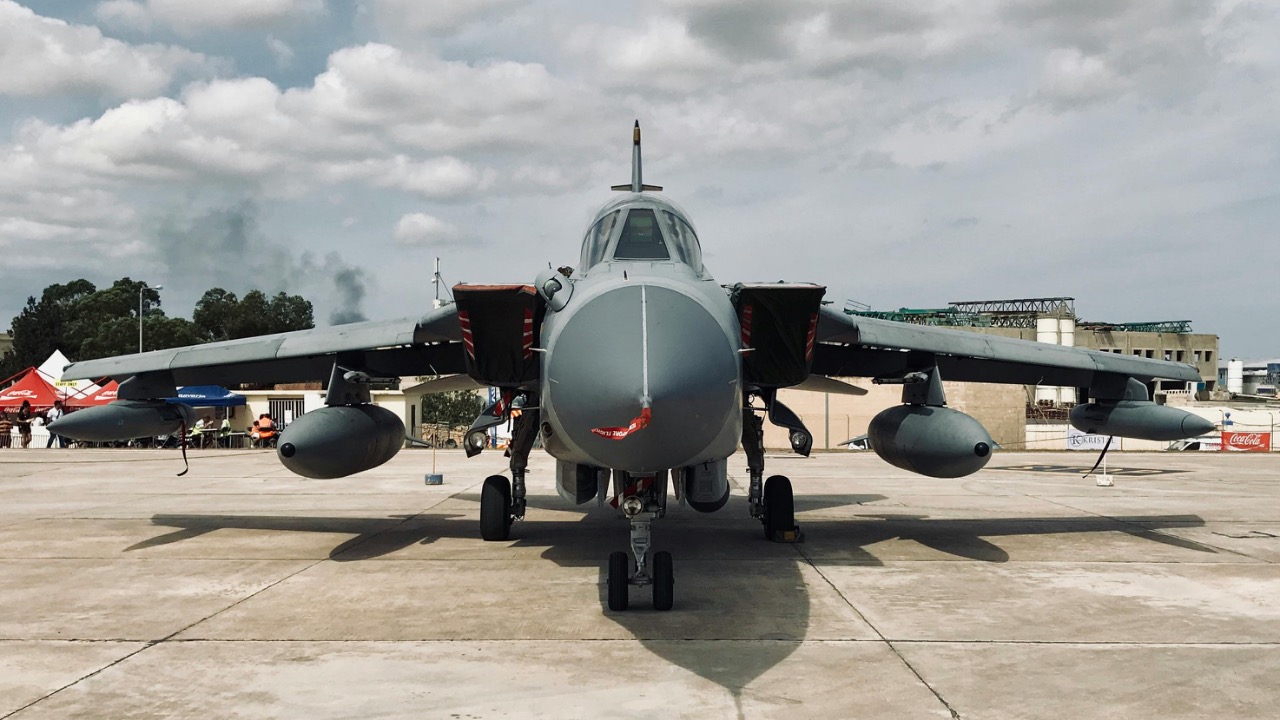
Among aviation historians and enthusiasts, arguments over the most influential fighter or bomber rarely stay technical for long. One discussion on what fighter plane mattered most quickly shifts from pure kill counts to ideas about national survival, industrial capacity, and morale. The debate touches on how a single design can seem to stand in for an entire war effort.
Certain aircraft become iconic because they combine three elements. First, they deliver a clear battlefield effect, whether by defending a homeland, breaking an enemy’s industry, or transforming tactics. Second, they arrive at the right historical moment, so their impact is tied to high stakes like invasion threats or nuclear deterrence. Third, stories about them spread through memoirs, films, and airshows until the aircraft feels less like hardware and more like a character.
As a result, some technically impressive types stay obscure while others, even with flaws, acquire almost mythical status. A warplane’s legend grows out of what it did, when it did it, and how people remember it.
The Supermarine Spitfire and the idea of national survival
For many in Britain, the Second World War story of survival in the air is inseparable from the Supermarine Spitfire. Earlier in that conflict, as one account notes, Eleven years before the aircraft’s later service, Britain had already experienced crises that tested the “courage and spirit of its people.” By the time Spitfires were meeting enemy bombers and fighters over home territory, the type had become a visible symbol of that spirit.
The Spitfire’s reputation rests on more than symbolism. Its elliptical wing, powerful engine, and rapid development cycle allowed it to keep pace with evolving threats. Pilots valued its agility and climb rate, and the aircraft could be adapted into interceptors, fighter bombers, and reconnaissance platforms. That flexibility helped Britain sustain an air defense campaign that shaped the wider war.
Later profiles of iconic aircraft describe Most Iconic Military of the Second World War and single out The Spitfire. They emphasize that The Supermarine Spitfire, an unmistakably British design, became beloved by pilots and aviation enthusiasts worldwide. The aircraft’s elegant lines and distinctive sound reinforced its public image, turning combat performance into a cultural emblem.
The B-25 Mitchell and the power of a single daring mission
Some aircraft achieve legendary status because of one operation that captures the public imagination. The B-25 Mitchell bomber is a clear example. In a famous early-war raid, crews launched from an aircraft carrier into poor weather, then climbed into a rainy, murky sky and flew 800 miles eastward to hit military targets in Tokyo, Nagoya, Kobe, and Yokohama. The mission was risky and militarily limited, but its psychological effect was immense.
The long overwater strike showed that a medium bomber could be adapted in unconventional ways and used from platforms never intended for it. The B-25’s ruggedness and handling allowed it to operate from short decks and improvised runways, which later made it valuable in varied theaters. Its reputation grew not just from tonnage dropped but from the audacity of flying twin‑engine bombers off a carrier to reach Tokyo, Nagoya, Kobe, and Yokohama in the early, uncertain phase of the conflict.
Subsequent coverage of the B-25 often returns to that mission as the moment the aircraft “earned” its place in history. It shows how a single, highly publicized operation can define how a type is remembered, even if most of its sorties were far more routine.
From Sopwith Camel to F-16: continuity in what pilots admire
Long before jets, the Sopwith Camel became a First World War icon. The aircraft’s compact frame and rotary engine gave it quick turning ability, and it was flown by leading aces such as Mick Mannock. Its reputation grew through combat reports and postwar writing, which highlighted both its strengths and the skill required to master its quirks.
Profiles of early fighters, including the Sopwith Camel, show that pilots have long valued maneuverability, visibility, and responsiveness. Those traits echo in later jet designs that earn similar affection. The continuity suggests that, despite advances in avionics and missiles, pilots still celebrate machines that feel like extensions of their own reflexes.
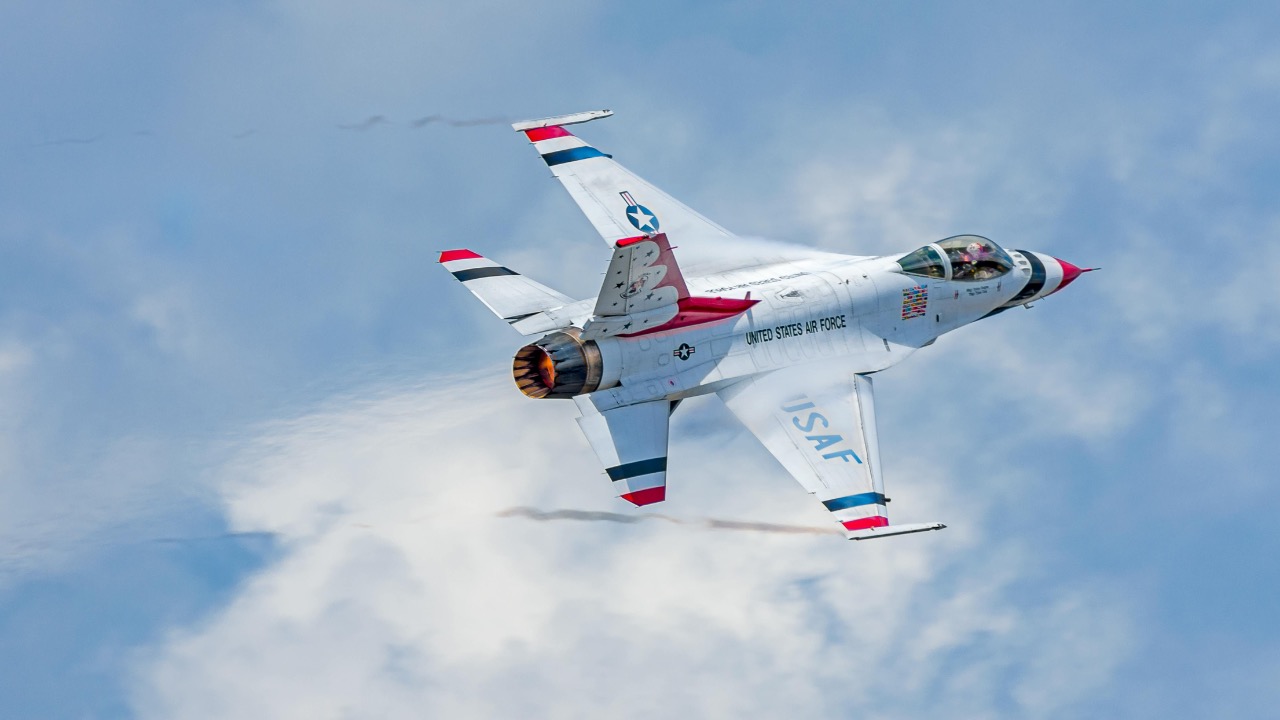
Modern fighters such as the F-16 sit in that tradition. One discussion of why F-16 fighters are so famous notes that the F-16 originated in an order placed in 1972 for a lightweight cost‑effective air‑to‑air fighter and that Current models are also all‑weather multirole aircraft. Pilots praise its agility and cockpit visibility in language that would have sounded familiar to Camel veterans, even if the technology is radically different.
Why some fighters are called “the best”
Modern debates about “the best” fighter often revolve around a mix of statistics and stories. One analysis of American jets frames a Key Point to Remember with the observation that Maybe greatness is just being the right aircraft in the right place at the right time. That comment captures how context shapes reputation as much as thrust‑to‑weight ratios or radar modes.
The F-15 is a prime example. One account of its capabilities notes that the F-15 was the first fighter that could attack multiple enemy targets simultaneously from distances of up to 100 miles, using its sensors and missiles to hit adversaries before they even knew what hit them. That beyond‑visual‑range reach, combined with a strong combat record, feeds a narrative of near invincibility.
Another discussion of what makes the F-15 so legendary highlights that it has also amassed numerous kills on ground targets and has been demonstrated to be able to shoot down satellites and ballistic missiles. A contributor notes these feats while adding that the aircraft did not even really need wings in one famous damaged‑airframe landing. Such stories, even when rare, become part of the myth that surrounds the type.
At the same time, other fighters like the F-16 inspire loyalty because they are seen as workhorses that can win fights and carry out strikes while remaining relatively affordable. Enthusiasts argue that F-16s, despite newer competitors, still offer a blend of agility and versatility that keeps them in front‑line service.
Stealth, supermaneuverability, and the new icons
In the current era, stealth and advanced avionics shape which aircraft are likely to become future legends. One profile describes The Lockheed Martin F‑22 Raptor as representing the pinnacle of modern aerial warfare technology. It notes that The Lockheed Martin design, known simply as Raptor, is Equipped with stealth capabilities, advanced avionics, and supercruise performance that allow it to fly at supersonic speeds without afterburners.
These features give the F‑22 the ability to detect and engage threats before being seen, a qualitative shift from earlier generations that relied more on speed and maneuver alone. Commentators suggest that the aircraft’s combination of stealth, sensor fusion, and air‑to‑air dominance will keep it a favorite among enthusiasts for years to come, even as newer designs appear.
Other nations pursue their own advanced fighters. A video explanation of Russia’s most modern design notes that, as Russia’s most advanced fighter, the Sukoy SU57 has a smaller radar cross‑section than the Sue27 Flanker, helping the aircraft approach targets with reduced detectability. The reference to the Flanker family underscores how designers evolve existing aerodynamic concepts while adding stealth shaping and new materials.
Another short analysis of why Russian fighter jets are often seen as highly maneuverable points to design choices such as thrust vectoring and relaxed stability. The presenter notes in Apr that these traits, combined with powerful engines, allow dramatic post‑stall maneuvers that impress both pilots and airshow audiences. Such displays feed the public image of Russian fighters as acrobatic machines, even if actual combat use emphasizes different strengths.
Culture, pilots, and the stories that stick
Technical specifications alone do not create legends. The culture around pilots and squadrons plays a major role in how aircraft are perceived. A discussion of why fighter pilots often seem to have a reputation for thinking they are better than other aviators begins with the observation that Part of the reason is how military command works, with promotion systems that reward certain types of experience.
That culture shapes how stories are told. Fighter communities tend to celebrate individual dogfights, daring low‑level runs, and improbable recoveries. Bomber and transport crews might value precision and reliability, but their narratives rarely receive the same cinematic treatment. As a result, fighters often dominate popular lists of “legendary” aircraft, even when other types have had equal or greater strategic impact.
Online groups and fan communities reinforce this effect. Enthusiast spaces such as a Facebook group dedicated to aviation watches and aircraft, which references Iconic Military Aircraft and Legendary Warplanes from Differe eras, keep certain designs in constant circulation through photos, artwork, and memorabilia. These communities help sustain interest in specific models long after they leave active service.
From Wright Flyer to Mount Rushmore of design
When people try to list the most famous aircraft of all time, they often reach back before combat aviation. One survey of historic machines introduces its list by saying Here are some of history’s most famous planes that sit on the Mount Rushmore of aircraft design. It begins with the Wright Flyer, described as Pioneering the Er of powered flight.
That framing matters for warplane reputations because many combat types are judged not only by their combat records but also by how they push aviation forward. The Wright Flyer’s influence is technological and symbolic rather than military, yet it often appears alongside fighters and bombers in discussions of “greatest” aircraft. The comparison shows that innovation and firsts can be as powerful as victory tallies in shaping memory.
Another overview of iconic military planes notes that Certain aircraft become “iconic” because of their technological breakthroughs, combat success, or cultural impact. These iconic machines, the piece argues, represent innovation, bravery, and national pride across generations. Warplanes that fit all three categories are especially likely to be remembered as legends.
Why some types fade and others endure
Not every effective aircraft becomes a household name. Some fighters and bombers achieve solid service records without ever starring in a defining battle or film. Others are overshadowed by successors that capture the public’s imagination more fully.
Often the difference lies in narrative hooks. The B-25 has its carrier launch into a rainy, murky sky. The Spitfire has images of young pilots scrambling to meet incoming raids over British fields. The F‑22 has its stealth silhouette and reputation as a near untouchable air‑to‑air platform. These stories are easy to visualize and retell.

Leo’s been tracking game and tuning gear since he could stand upright. He’s sharp, driven, and knows how to keep things running when conditions turn.