Experimental treatment gives hope to dog battling cancer
When a dog is diagnosed with cancer, the conversation usually turns to difficult choices—surgery, chemotherapy, or managing the time that’s left. In recent years, though, veterinarians and researchers have been exploring new approaches that aim to extend life without putting animals through overwhelming side effects. Some of these treatments are still in early stages, but they’re starting to show promise in cases that once had very few options.
You’re seeing a shift in how canine cancer is handled. Instead of relying only on traditional protocols, clinics are beginning to use targeted therapies, immune-based treatments, and personalized care plans. For one dog and its owner, that shift has opened the door to a fighting chance where there wasn’t one before.
A Diagnosis That Changed Everything
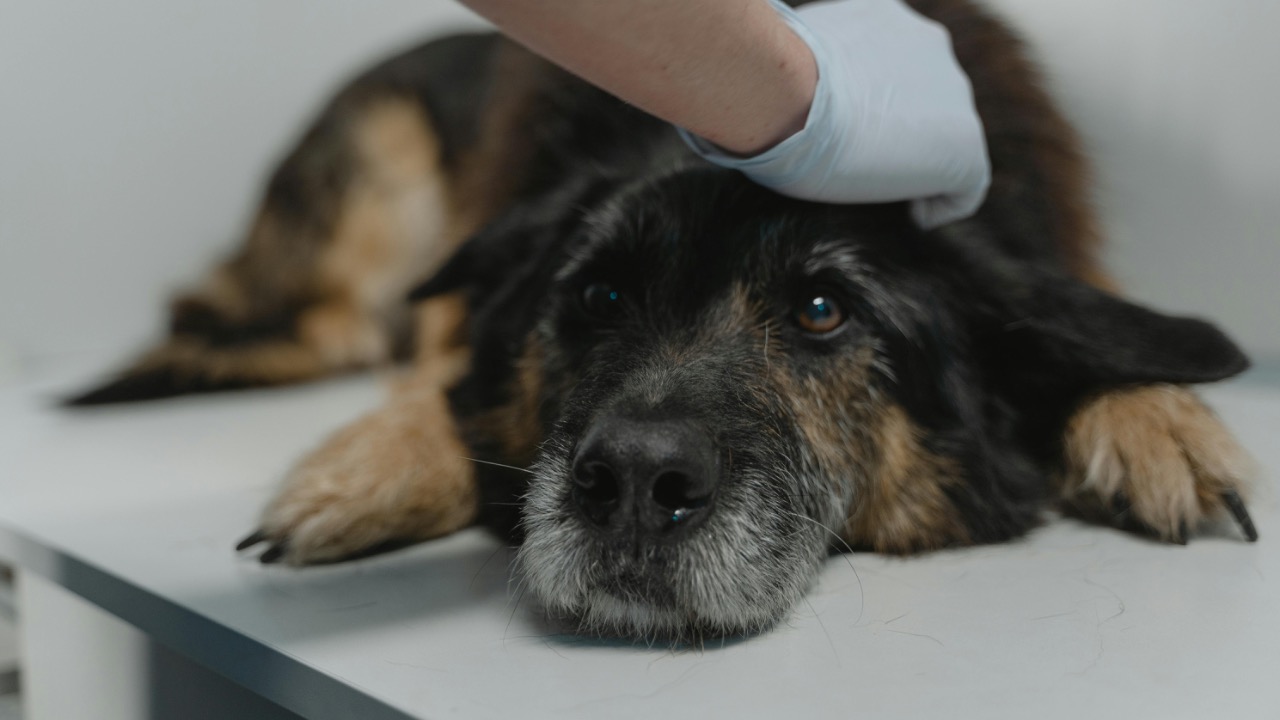
You don’t forget the moment a vet says the word “cancer.” In this case, the dog had been slowing down for weeks—less appetite, less interest in activity, and a general sense that something wasn’t right. Tests confirmed a malignant tumor, and the prognosis wasn’t encouraging.
The options presented were familiar: aggressive surgery, chemotherapy with uncertain results, or palliative care. None of them felt like a clear path forward. Like many owners, you’re left weighing quality of life against time, trying to make a decision that feels fair to the animal depending on you.
Why Traditional Treatments Fall Short
Standard cancer treatments for dogs can be effective, but they come with limits. Surgery depends heavily on tumor location and whether it has spread. Chemotherapy can slow progression, but it doesn’t always lead to long-term control.
You also have to consider how dogs tolerate treatment. While they often handle chemo better than humans, side effects still exist. Appetite changes, fatigue, and immune suppression can all take a toll. For many owners, the question becomes whether extending time is worth the strain placed on the animal during that time.
The Experimental Option on the Table
This case took a different turn when a veterinarian introduced an experimental therapy. Instead of attacking cancer broadly, the treatment focused on targeting specific cancer cells while leaving healthy tissue largely unaffected.
You’re looking at a method still being studied, often involving immune stimulation or precision drugs designed for certain tumor types. It’s not widely available, and it’s not guaranteed to work. But in situations where conventional approaches offer limited hope, it becomes a serious consideration rather than a last-ditch effort.
How the Treatment Works in Practice
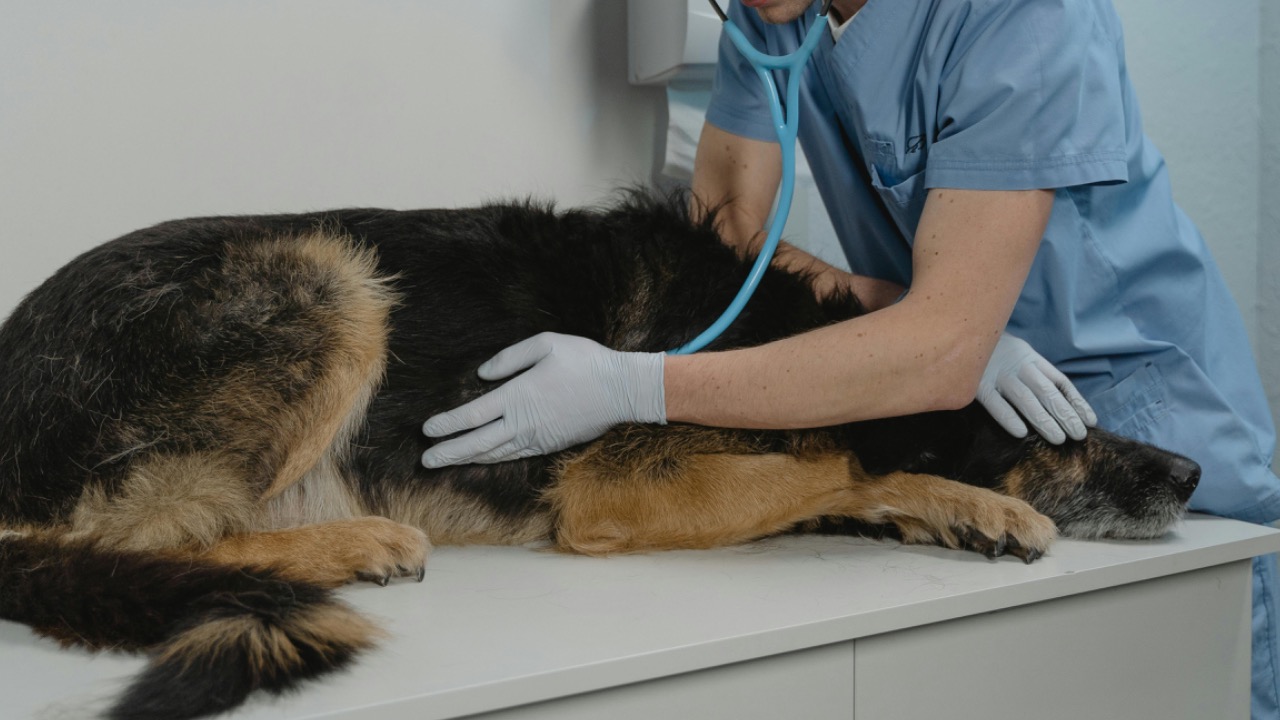
The process wasn’t a one-time fix. The dog underwent a series of controlled treatments spaced out over weeks, with regular monitoring in between. Bloodwork, imaging, and behavioral observations guided each step.
You’re not seeing dramatic overnight changes. Instead, progress shows up in small ways—improved appetite, more energy, better engagement. These are the signs veterinarians look for when evaluating whether the treatment is having a meaningful effect beyond just slowing the disease.
Early Results That Caught Attention
Within the first phase of treatment, the tumor showed signs of stabilizing. In some areas, there was even slight regression. That’s not something you always expect in advanced cases.
More importantly, the dog’s quality of life improved. It started moving more, eating regularly, and acting like itself again. For an owner, those changes matter as much as any scan result. You’re not only tracking the disease—you’re watching the dog come back in small but real ways.
The Role of Veterinary Research
What’s happening here isn’t isolated. Veterinary oncology has been moving forward, often alongside human cancer research. Dogs share similar environments and even some biological responses, making them important in the development of new treatments.
You’re seeing more collaboration between research institutions and veterinary clinics. Clinical trials are becoming more common, giving pet owners access to treatments that weren’t available even a decade ago. While not every case qualifies, the overall trend is opening new doors for difficult diagnoses.
Balancing Hope with Reality
Even with encouraging signs, there are no guarantees. Experimental treatments carry uncertainty, and outcomes can vary widely depending on the type of cancer and how the dog responds.
You still have to weigh expectations carefully. Hope is important, but it needs to be grounded in honest conversations with your veterinarian. The goal isn’t only to extend life—it’s to make sure that time is worth living for the animal in your care.
What This Means for Dog Owners
Cases like this are starting to change how you think about cancer treatment for dogs. Instead of a fixed set of options, there’s now a growing range of possibilities, some of which didn’t exist a few years ago.
You may not have access to every new therapy, but awareness matters. Asking questions, exploring clinical trials, and staying informed can make a difference when facing a diagnosis. For now, stories like this one show that progress is real—and for some dogs, it’s arriving right on time.

Asher was raised in the woods and on the water, and it shows. He’s logged more hours behind a rifle and under a heavy pack than most men twice his age.