10 reasons 7mm-08 outshines .308 for hunting and shooting
Ask a camp full of deer hunters which cartridge they trust, and .308 will get plenty of votes. But if the goal is practical performance in the field, 7mm-08 quietly checks more boxes. With lighter recoil, flatter flight, and smart bullet design, it often outshines .308 for real-world hunting and shooting, especially inside 400 yards where most tags are actually punched.
1. Lower Recoil for Better Accuracy
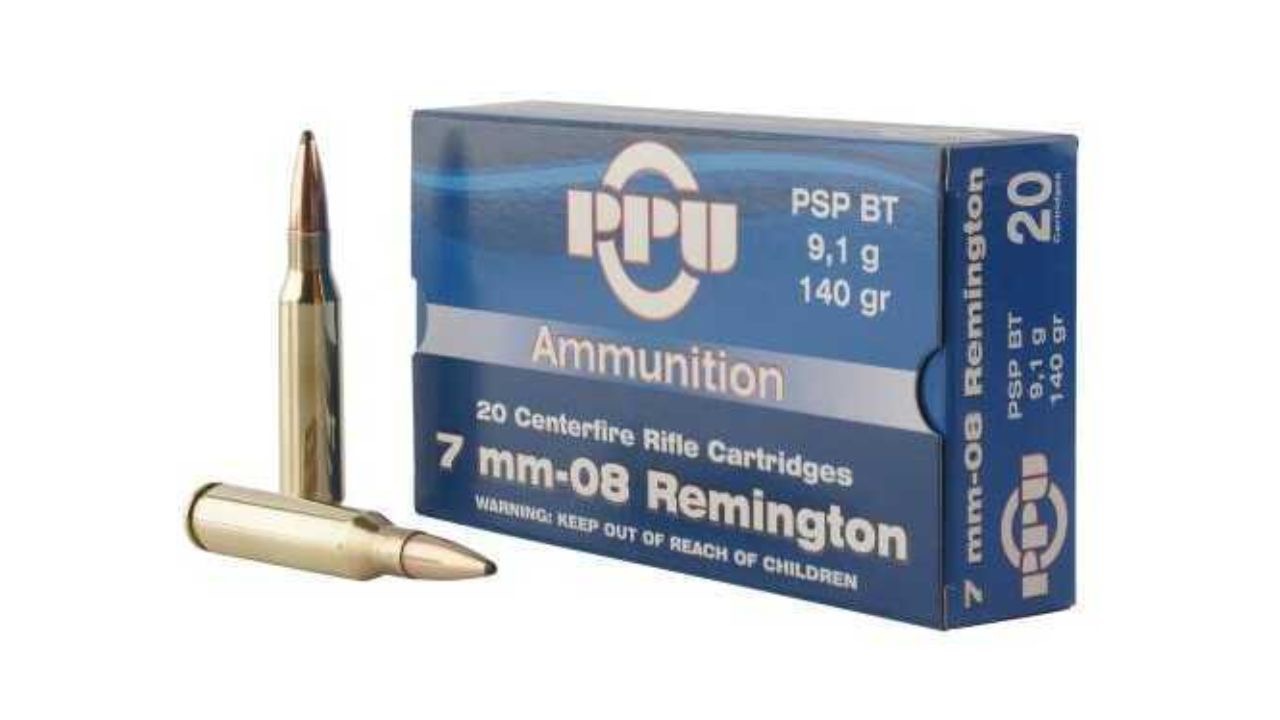
Lower recoil is the first reason 7mm-08 Remington pulls ahead. With a 140-grain bullet from an 8-pound rifle, it generates 15-18 ft-lbs of recoil energy, while a .308 Winchester pushing a 150-grain bullet in the same weight rifle hits 20-22 ft-lbs. That difference shows up on the bench and in the blind when you are trying to break clean shots.
Other comparisons put 7mm-08 around 13 ft-lbs and a 308 Win around 16 ft-lbs, and even those closer numbers matter for smaller-framed shooters. If the shooter is a youth hunter or a new adult, less punch to the shoulder usually means less flinch, more practice, and tighter groups when a buck finally steps out.
2. Flatter Trajectory for Easier Long Shots
Trajectory is where 7mm-08 starts to feel like a cheat code. A 140-grain bullet at 2,860 fps drops only 7.5 inches at 200 yards when zeroed at 100. A comparable .308 load, a 150-grain at 2,820 fps, falls about 9.2 inches under the same conditions, giving the 7mm-08 a noticeable edge.
With a 140-grain, 200-yard zero, that flatter arc means fewer holdover guesses on a steep hillside or across a cut bean field. For hunters who do not spin turrets or range every shot, shaving an inch or two of drop can be the difference between center lungs and a clean miss.
3. Superior Wind Resistance
Wind is the silent killer of good shots, and 7mm-08 handles it better. A 7mm 140-grain Sierra GameKing carries a sectional density of 0.248, compared with 0.226 for a 150-grain .308 bullet. In a 10 mph crosswind at 300 yards, that translates to about 12% less wind drift for the 7mm-08.
On pronghorn flats or big Western burns, that extra margin keeps your point of impact closer to where the crosshairs sat when the trigger broke. Less drift means fewer wounded animals and more confidence stretching shots to the far side of a canyon when conditions are marginal.
4. Balanced Energy for Ethical Kills
Energy delivery is where 7mm-08 shows its hunting sweet spot. Factory loads like a Federal Premium 140-grain Nosler Partition hold about 1,800 fps and 1,008 ft-lbs at 300 yards. That is plenty for a vital hit on deer-sized game without hammering the far shoulder into soup.
A .308 pushing a 180-grain bullet at the same distance is still carrying roughly 1,650 fps and 1,150 ft-lbs, which can mean more recoil and more meat loss. In the field, that balanced 7mm-08 energy profile helps anchor deer cleanly while keeping exit wounds manageable for the butcher table.
5. Longer Barrel Life
Barrel life rarely sells rifles, but it matters to anyone who shoots a lot. Typical 7mm-08 barrels run about 5,000-6,000 rounds before throat erosion starts to open groups, compared with roughly 4,000-5,000 rounds for .308. The difference comes from slightly lower powder charges and pressure in the 7mm-08 case.
For a hunter who also shoots steel or paper all summer, that extra thousand rounds or so can mean several more seasons before a rebarrel bill shows up. It also encourages more practice, which is where real-world accuracy gains over .308 start to stack up.
6. Less Meat Damage on Game
Meat hunters pay attention to wound channels, and 7mm-08 has an advantage there too. Its 7mm diameter (.284 inches) bullet has been shown to cause about 20% less wound channel expansion on whitetails than a .308 bullet measuring .308 inches, based on National Deer Association autopsy work.
That smaller frontal diameter still kills cleanly through lungs and heart, but it tends to waste less shoulder and rib meat. For hunters who process their own deer every year, saving a few extra pounds from each animal is a real payoff, especially when combined with the cartridge’s mild recoil and accuracy.
7. Lighter Ammo for Extended Carry
Weight matters when you are climbing ridges all day. Typical 7mm-08 hunting loads weigh about 1.2 oz per cartridge in 140-grain form, while comparable .308 150-grain rounds run closer to 1.5 oz. Under a 5-pound pack limit for ammo, that lets you haul roughly 40% more rounds of 7mm-08.
On backpack elk or high-country mule deer hunts, that extra capacity means more practice shots at camp and more confidence if you need follow-ups. It also keeps overall pack weight down, which matters on day four when your legs are rubber and the bull bugles in the next basin.
8. Improved Performance for Youth and Novices
Real-world feedback from young shooters backs up the recoil math. In youth hunter surveys from the Minnesota DNR, about 68% of participants reported better shot placement with 7mm-08 than with .308, citing reduced flinch and more comfort behind the rifle. The survey covered 2021 field data from 500 participants.
For parents and mentors, that is a big deal. A cartridge that kids are willing to practice with, and that lets them focus on sights instead of recoil, leads to cleaner first kills and better long-term shooters. In that role, 7mm-08 clearly outshines the bigger .30.
9. Easier Reloading Options
Handloaders get extra value from 7mm-08. Its brass is typically formed from .308 cases, so once-fired .308 is easily necked down to 7mm. Common recipes use 42-46 grains of Varget powder to reach about 2,800-2,900 fps with 140-grain bullets, while .308 often needs 44-48 grains for similar speeds.
Those lighter charges mean less powder burned per shot and gentler pressure curves, which help with barrel life and consistency. For a reloader tuning a hunting rifle for elk or whitetails, 7mm-08 offers a forgiving, efficient path to accurate loads.
10. Greater Versatility Across Game Sizes
Versatility might be 7mm-08’s strongest card. With 140 grain hunting bullets the cartridge is flatter shooting than a 308 using 150 g bullets, which lines up with field reports that it excels on mule deer and antelope inside 400 yards. Ballistic models show .308’s heavier bullets shedding about 15% more velocity beyond 300 yards.
In practice, that lets one 7mm-08 rifle cover varmints, deer, and even lighter Elk duty with the right bullets. Hunters have taken Elk cleanly using Federal 140 g Fusion at around 225 yards, and some still seek out Super hard to find 7MM/08 Factory 140 G Grain Nosler Partition Federal Premium Ammunition in Factory Fresh Boxes for bigger game, which says plenty about the cartridge’s reach.

Asher was raised in the woods and on the water, and it shows. He’s logged more hours behind a rifle and under a heavy pack than most men twice his age.