Knives That Stay Sharp Even in Frozen Conditions
Cold weather exposes weaknesses fast. Steel that behaves perfectly in summer can turn brittle, lose bite, or stop responding to quick touch-ups once temperatures drop. Gloves reduce feel, moisture creeps into pivots, and cutting tasks get harder instead of easier. In those conditions, edge retention isn’t about lab numbers. It’s about steel choice, heat treat, and geometry that keeps working when everything else slows down.
Knives that stay sharp in frozen conditions tend to share a few traits. Tough steels over flashy ones. Sensible edge angles. Grinds that favor bite instead of polish. These are knives you can rely on when it’s below freezing and quitting early isn’t an option.
Mora Companion

The Mora Companion has earned its reputation in cold climates for a reason. The Scandinavian grind bites aggressively into frozen wood, rope, and hide without needing a thin, fragile edge. Even when temperatures drop hard, the steel stays predictable.
Mora’s heat treat favors toughness over edge glamour. That matters when you’re carving kindling or processing game with stiff hands. The blade sharpens easily in the field and doesn’t chip when it hits frozen material. It may look basic, but it performs where it counts. In cold conditions, reliability beats refinement, and the Companion delivers exactly that.
ESEE 4
The ESEE 4 is built around toughness, which pays off in freezing weather. Its 1095 carbon steel isn’t exotic, but it holds a working edge through abuse that would roll harder steels when temperatures drop.
Cold makes everything less forgiving. The ESEE’s thicker spine and controlled heat treat keep the edge stable when cutting frozen wood or tough materials. It may need occasional touch-ups, but it won’t surprise you with chips or fractures. That consistency matters when sharpening options are limited. The ESEE 4 feels steady and dependable when conditions turn harsh.
Benchmade Puukko
The Benchmade Puukko draws from northern knife traditions for a reason. Its blade geometry favors slicing efficiency with a tough edge profile that stays usable in cold weather.
Benchmade’s heat treatment balances hardness and resilience well, which helps the edge resist micro-chipping when temperatures drop. The handle remains comfortable with gloves, and the blade keeps biting instead of skating across frozen surfaces. It’s a knife designed to work in cold forests, not just look the part. When winter conditions slow everything else down, the Puukko keeps cutting.
Fallkniven F1
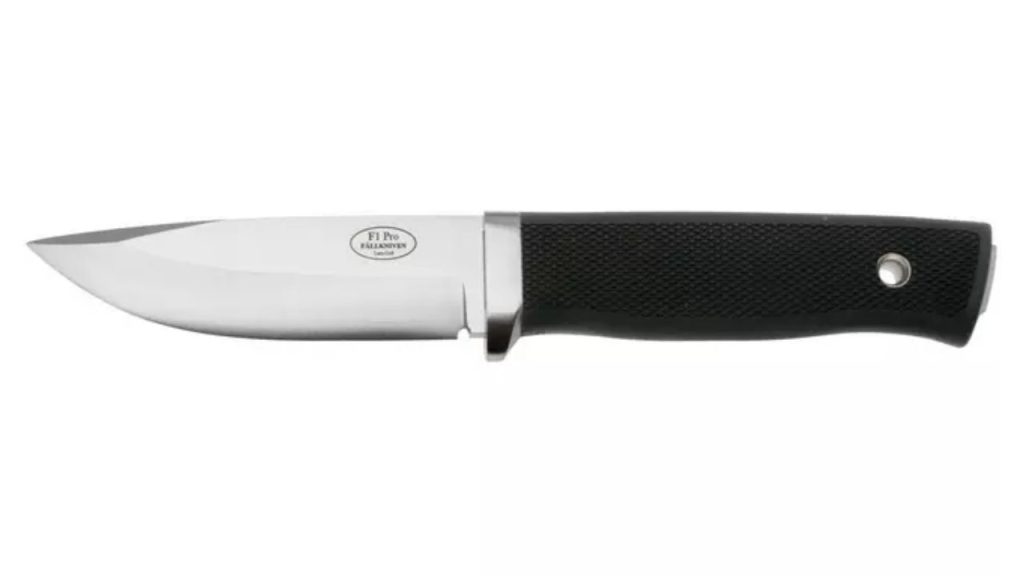
The Fallkniven F1 was designed with cold environments in mind. Its laminated steel construction provides a hard cutting core supported by tougher outer layers, which helps prevent brittle failure in low temperatures.
That design keeps the edge sharp longer when cutting frozen materials. It resists chipping better than many high-hardness blades while still holding an edge through extended use. The convex grind adds strength without sacrificing bite. In cold, remote conditions, the F1’s predictable behavior inspires confidence. It’s not flashy, but it’s engineered for exactly this kind of work.
Spyderco Endura
For a folding knife that performs in the cold, the Endura stands out. Its blade geometry favors slicing, and Spyderco’s heat treatment keeps the edge stable when temperatures drop.
The lock remains reliable even when grit and moisture creep in. The blade doesn’t rely on extreme hardness to stay sharp, which helps prevent chipping on frozen materials. It’s easy to maintain and responds well to field sharpening. For cold-weather carry where a folder makes sense, the Endura keeps working when others start to feel fragile.
Bark River Bravo 1
The Bark River Bravo 1 combines thick stock with a convex edge that thrives in cold conditions. That edge profile distributes stress evenly, which helps prevent damage when cutting frozen wood or tough materials.
Steel options like A2 favor toughness and edge stability over brittleness. The knife keeps a working edge longer than many thinner designs once temperatures drop. It’s comfortable to use with gloves and doesn’t punish mistakes. In winter, forgiveness matters. The Bravo 1 stays sharp without demanding perfect technique or constant maintenance.
Cold Steel SRK
The SRK has a long track record in harsh environments. Its steel choices and conservative heat treatment keep the blade from becoming brittle in cold weather.
Edge retention stays practical rather than theoretical. The blade doesn’t chip easily, and it maintains bite through repeated cuts on frozen materials. It sharpens easily when needed, even with limited tools. The SRK isn’t refined, but it’s dependable. In freezing conditions, that dependability matters more than anything else.
Helle Temagami
Helle knives are built with cold climates in mind, and the Temagami reflects that heritage. The laminated steel construction offers edge stability and toughness when temperatures fall.
The Scandi grind digs in where flatter edges struggle. It stays sharp through extended carving and food prep in cold camps. The handle remains comfortable even with numb hands. This is a knife that doesn’t fight winter. It works with it. When conditions get cold and unforgiving, the Temagami keeps cutting cleanly.
Sharpness in winter isn’t about chasing the hardest steel. It’s about choosing blades that stay predictable when the cold tries to take that away.

Leo’s been tracking game and tuning gear since he could stand upright. He’s sharp, driven, and knows how to keep things running when conditions turn.