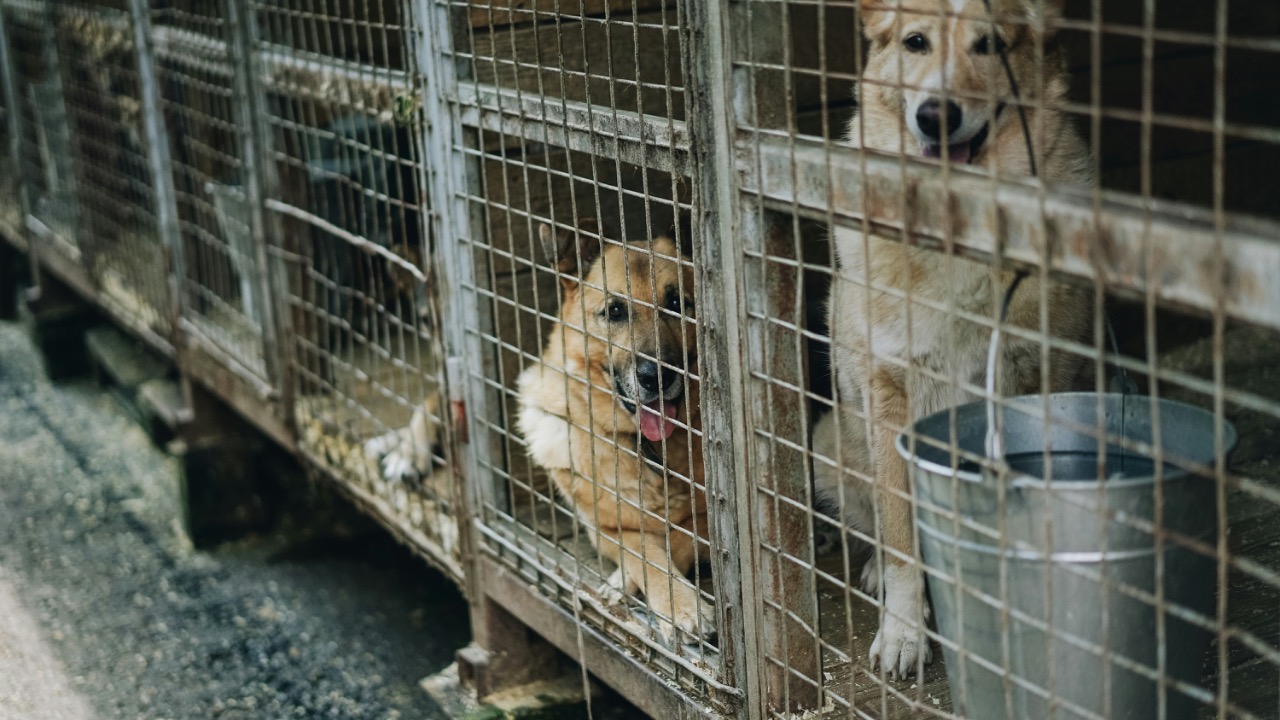
Defense Department Investigates Deaths of Military Working Dogs at Kennel
When military working dogs die under questionable circumstances, it hits differently. These aren’t pets in the backyard. They’re trained assets that deploy with service members, detect explosives, track suspects, and protect handlers in combat zones and on domestic installations. So when multiple dogs die at a stateside kennel, the questions come fast—and they should.
You expect strict standards when it comes to military animal care. The Department of Defense doesn’t take losses like this lightly, especially when those dogs represent years of training and taxpayer investment. An investigation signals more than paperwork. It signals potential breakdowns in oversight, accountability, or basic care that demand scrutiny.
What Military Working Dogs Represent
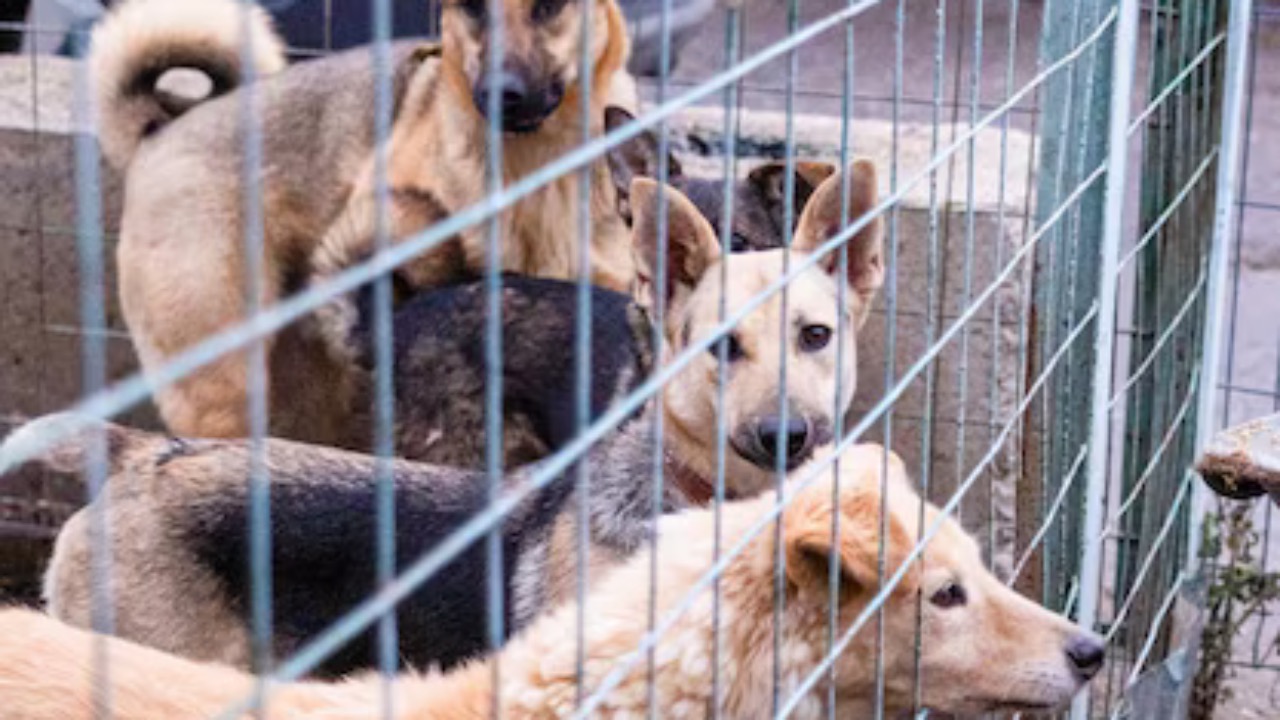
You need to understand what’s at stake. Military working dogs, often Belgian Malinois, German Shepherds, or Dutch Shepherds, go through extensive screening and training. Programs run primarily through the 341st Training Squadron at Joint Base San Antonio–Lackland. These dogs are conditioned for patrol, detection, and specialized missions.
Each dog represents a significant financial and operational investment. Training can cost tens of thousands of dollars before a dog ever deploys. More importantly, they form tight bonds with handlers who rely on them in dangerous environments. When dogs die unexpectedly in a kennel environment, you’re not looking at routine attrition. You’re looking at a failure somewhere in a system built on discipline.
How Kennel Operations Are Supposed to Work
Military kennels operate under detailed regulations governing feeding schedules, hydration, exercise, sanitation, and veterinary oversight. You’d expect strict temperature controls, documented health checks, and clearly assigned responsibilities for each animal.
Handlers and kennel masters are required to log daily observations. Veterinary staff conduct routine exams and monitor for stress injuries, illness, or heat-related conditions. There are inspection protocols at installation and command levels. When multiple dogs die in one facility, investigators will examine whether those procedures were followed or whether corners were cut in staffing, maintenance, or supervision.
Heat and Environmental Risk Factors
If you’ve spent time around working dogs, you know heat is a constant threat. High-drive breeds don’t always self-regulate well, especially after training cycles. Inadequate ventilation or malfunctioning climate control can turn a kennel into a hazard quickly.
Investigators typically review temperature logs, HVAC maintenance records, and staff response times. Even short periods of equipment failure can be deadly if not caught early. Heat stroke in working dogs progresses fast. You’ll see them check whether emergency cooling protocols were in place and whether personnel were trained to recognize early warning signs before it became fatal.
Veterinary Oversight and Medical Response
Military installations are supposed to have veterinary support either on-site or readily accessible. Routine health monitoring is standard practice. Any unexplained deaths trigger necropsies to determine cause, whether illness, toxic exposure, dehydration, or trauma.
The investigation will likely examine medical logs and treatment records. You can expect scrutiny over whether symptoms were documented and whether there were delays in reporting concerns up the chain of command. In working dog programs, communication failures can be as damaging as medical ones. Paper trails matter, and missing documentation raises red flags fast.
Contracted Kennel Staff and Accountability
Not all kennel operations are handled solely by uniformed personnel. Some installations rely on civilian contractors for daily care and facility maintenance. When something goes wrong, responsibility can become complicated.
Investigators will determine who was on duty, what training they received, and whether staffing levels met required standards. Background checks, certification records, and supervision protocols all come into play. If negligence is found, administrative action or contract termination can follow. In serious cases, criminal investigation isn’t off the table, depending on what evidence shows.
Impact on Handlers and Units
You can’t separate the dogs from the people who work them. Handlers train daily with their assigned dogs and often live alongside them. Losing a working dog unexpectedly affects morale and operational readiness.
Units may need to reassign handlers, accelerate training cycles, or pull dogs from other missions to fill gaps. That disruption ripples outward. An investigation also reassures service members that leadership takes animal welfare seriously. Without transparency and corrective action, confidence erodes—not only in the kennel but in the broader command structure.
What Happens After the Investigation
When the Department of Defense completes an investigation, findings typically result in corrective measures. That may include revised kennel procedures, upgraded environmental controls, retraining of personnel, or leadership changes.
You’ll often see updated inspection requirements and additional reporting safeguards. In high-visibility cases, congressional oversight can follow, especially if systemic failures are uncovered. The goal isn’t damage control. It’s preventing recurrence. Military working dogs are mission assets and partners. When something leads to preventable deaths, the expectation—inside and outside the uniform—is accountability and concrete reform.

Asher was raised in the woods and on the water, and it shows. He’s logged more hours behind a rifle and under a heavy pack than most men twice his age.