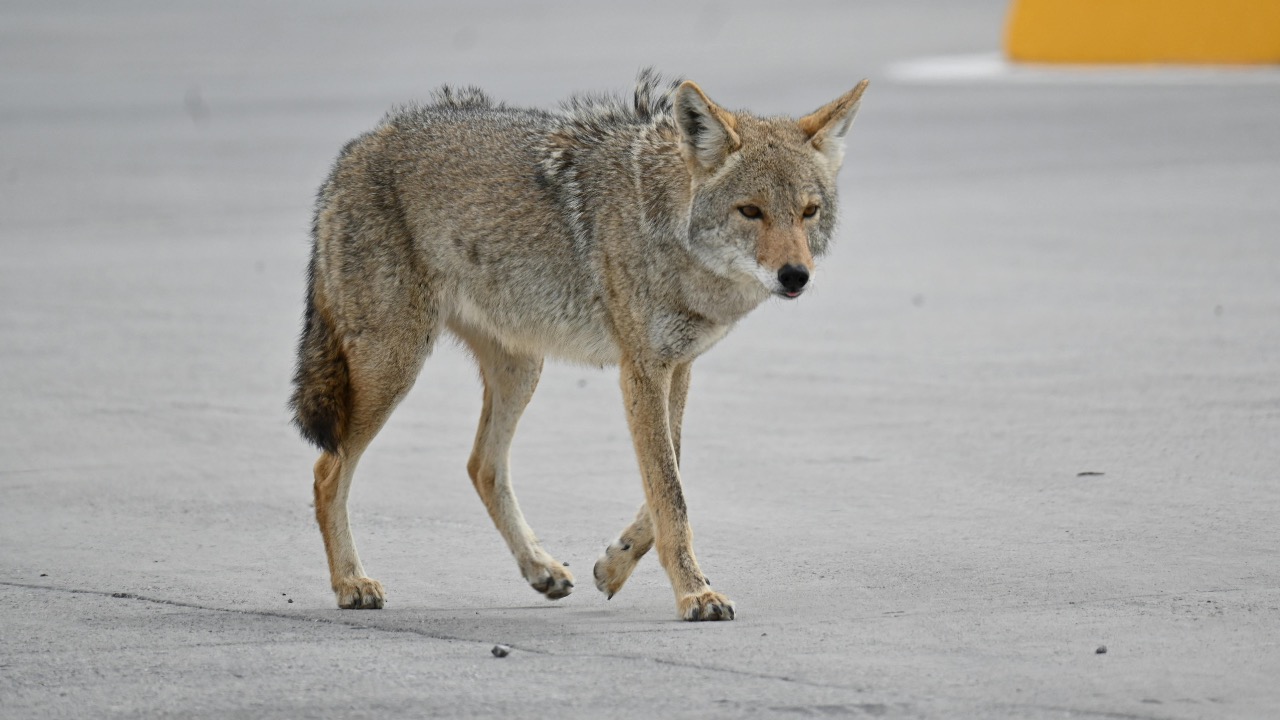
14 States with the highest reported coyote encounters in 2025
Coyote encounters are climbing in a lot of places, but some states are clearly hotter than others. Drawing on recent attack-risk analyses, population estimates, and on-the-ground reports, I pulled together 14 states where people and coyotes are crossing paths most often in 2025. I focus on where reported conflicts are concentrated, why those landscapes create trouble, and what that means for hunters, hikers, and anyone letting a dog out after dark.
1. California
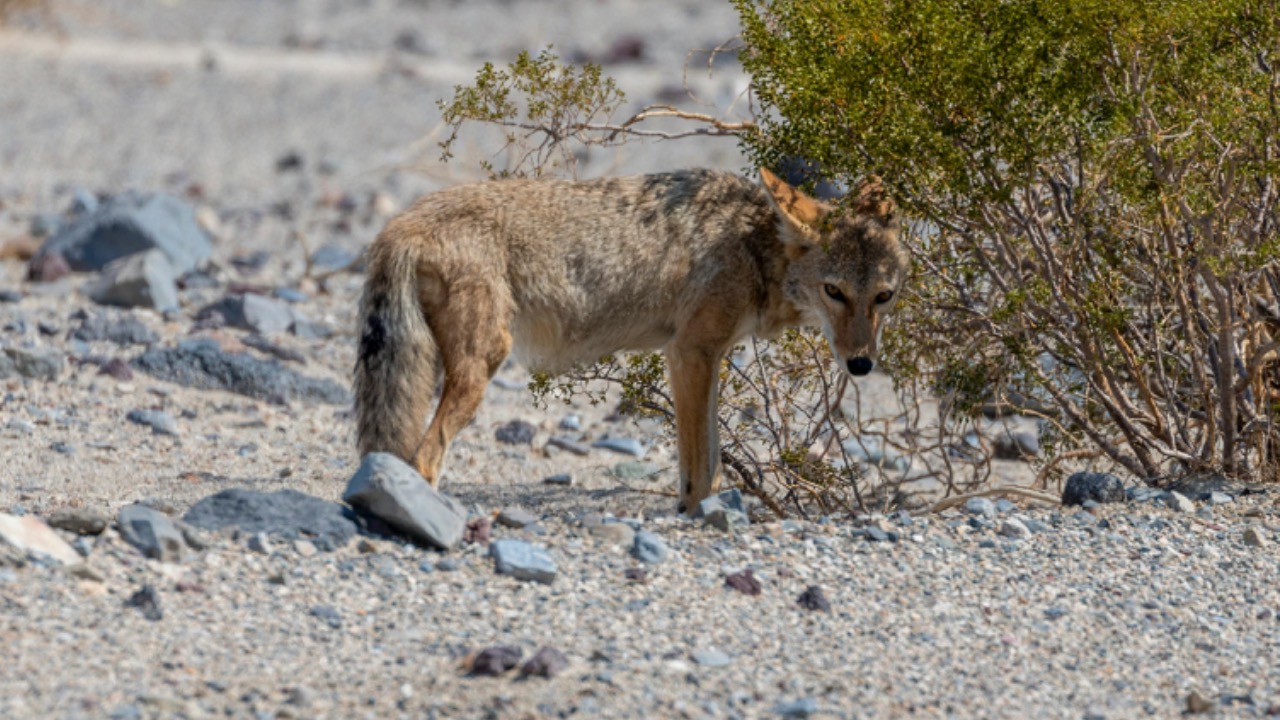
California sits at the top of any serious list of coyote encounters, and recent attack-risk work flatly calls California “The Undisputed Epicente” of human attacks. That same analysis notes that other states with plenty of coyotes still see “fewer human attacks than California,” which tells me this is not just a numbers game, it is about how tightly people and predators overlap in suburbs and coastal cities.
Population estimates back that up. A breakdown of Coyote Population by State shows California carrying one of the country’s largest ranges between Estimated Minimum Population and Estimated Maximum Po, which lines up with the heavy encounter pressure described in the risk work. For anyone living there, that means leashed dogs, locked trash, and a realistic expectation that you will eventually see a coyote in broad daylight.
2. Texas
Texas is a different kind of problem, with sheer numbers driving encounters. One statewide estimate pegs the coyote count at 859,510, and notes that Texas coyotes are common all throughout the state. When you spread that many predators across ranchland, suburbs, and oilfield edges, you get a steady stream of sightings, livestock losses, and the occasional bold animal trotting through a cul-de-sac.
Another look at where huge packs thrive flatly calls Texas “Without a Doubt, the Coyote Capital of the” U.S., which tracks with what hunters and trappers see on the ground. For landowners, that means constant pressure on calves and goats, and for urban Texans it means learning to haze coyotes off greenbelts before they start treating joggers and backyard chickens as easy targets.
3. Arizona
Arizona’s encounter story is shaped by fast-growing metro areas pushing into desert habitat. Legal guidance on whether you can shoot a coyote in your yard in Arizona, laid out in a detailed look at what the law says, makes it clear that homeowners are asking hard questions because coyotes are showing up in neighborhoods. That kind of legal scrutiny usually follows a pattern of repeated sightings, pet attacks, and close calls around schoolyards and golf courses.
Population tables that list each State with an Estimated Minimum Population and Estimated Maximum Po of coyotes show Arizona holding a solid mid-to-high slot, which lines up with what I see in the field. The mix of irrigated landscaping, trash, and desert washes gives coyotes everything they need. For hunters and hikers, that means more vocalizations at trailheads and a higher chance of bumping into a bold animal that has already been fed by people.
4. Colorado
Colorado combines big-game country with booming Front Range suburbs, and that overlap drives encounters. The same Coyote Population by State work that details each Estimated Minimum Population and Estimated Maximum Po shows Colorado carrying a healthy coyote base, and when you stack that on top of dense human corridors along I‑25, you get regular reports of coyotes working greenbelts and golf courses inside city limits.
Risk analysts who map out where the danger zones lie point to states like Colorado, where habitat, prey, and people all stack together, as prime examples of how conflicts grow. From my perspective, that means more calls to wildlife officers about aggressive behavior during pup season and more pressure on municipalities to decide when a nuisance coyote crosses the line into a public-safety problem.
5. Utah
UTAH has taken coyote encounters seriously enough to build a full-scale PREDATOR CONTROL PROGRAM, and its official PROGRAM SUMMARY spells out why. The SUMMARY notes that In the 10 years preceding the Mule Deer Protection Act, annual fawn recruitment was struggling, which pushed the state to pay hunters and trappers for coyotes. That kind of incentive program only happens where encounters with livestock and wildlife managers are frequent and costly.
On the human side, Jan reports out of Ivins, Utah, describe a Washington County neighborhood warning pet owners about coyotes during peak mating season, with KUTV quoting residents who say the coyotes are acting like “hunters.” When breeding-season behavior is obvious enough that whole neighborhoods are on alert, you are dealing with a state where encounters are part of daily life.
6. Nevada
Nevada’s mix of desert basins, irrigated valleys, and casino towns creates a patchwork where coyotes can thrive right up against people. Population tables that rank each State by Estimated Minimum Population and Estimated Maximum Po put Nevada in a solid middle tier, but the real story is how those animals key in on golf courses, drainage ditches, and landfill edges around Las Vegas and Reno.
Risk mapping that looks at where the danger zones lie often flags states with sprawling suburbs and strong prey bases, and Nevada fits that pattern. For residents, that means more coyotes working flood channels after monsoon storms and more pressure on local agencies to respond when a bold animal starts shadowing kids walking to school or circling small dogs in apartment courtyards.
7. New Mexico
New Mexico has long been coyote country, and the current encounter picture reflects that history. Coyote Population estimates that break out each State’s Estimated Minimum Population and Estimated Maximum Po show New Mexico carrying a healthy share of the Southwest’s predators, and those numbers are spread from high-country elk units to the edges of Albuquerque and Las Cruces.
Analysts who frame California as “The Undisputed Epicente” of attacks still point out that other Western states with strong coyote bases, including New Mexico, create similar conditions for human-coyote conflicts. For ranchers and rural homeowners, that translates into regular depredation complaints, while urban residents see more coyotes cruising arroyos and open-space trails that cut straight through town.
8. Oklahoma
Oklahoma’s encounter rate is driven by agriculture and edge habitat. The same Coyote Population by State work that details each Estimated Minimum Population and Estimated Maximum Po shows Oklahoma with a sizable population, and those animals are living in a landscape of cattle pastures, wheat fields, and expanding suburbs around Oklahoma City and Tulsa.
When risk analysts talk about the complex interplay of population density and habitat, states like Oklahoma, with scattered towns and plenty of prey, fit the model. For landowners, that means more coyotes testing calving pastures and more calls for night hunting and thermal scopes, while suburban residents report animals slipping through drainage easements and raiding pet food on back porches.
9. Kansas
Kansas might not grab headlines the way California or Texas do, but the encounter numbers are there. Population tables that list each State’s Estimated Minimum Population and Estimated Maximum Po show Kansas holding a strong Midwestern coyote base, and those animals are spread across CRP fields, creek bottoms, and the edges of small towns.
Because Kansas lacks huge metro areas, many encounters show up as livestock losses and close-range sightings by deer hunters and bird hunters. That still matters for public safety, especially when bold coyotes learn that farmyards and rural school grounds offer easy food. The more they are rewarded around people, the more likely those encounters are to escalate into aggressive behavior.
10. Nebraska
Nebraska’s coyote encounters track closely with its mix of row crops, Sandhills ranches, and river corridors. The Coyote Population by State breakdown that details each Estimated Minimum Population and Estimated Maximum Po places Nebraska in a solid band of states where coyotes are firmly established, and that is exactly what hunters see along shelterbelts and pivot corners.
Risk work that explores where the danger zones lie points out that states with abundant prey and scattered rural housing can see plenty of encounters without big-city headlines. In Nebraska, that means more coyotes testing calving lots, more howling close to farmsteads at night, and a steady trickle of calls to county officers about animals that are no longer spooking off easily.
11. Wyoming
Wyoming has fewer people, but the coyotes that live there interact with humans constantly around livestock and big-game units. Population tables that rank each State’s Estimated Minimum Population and Estimated Maximum Po show Wyoming with a strong predator base relative to its human population, which means a high encounter rate per capita for ranchers, outfitters, and oilfield workers.
Analysts who look at American attack risk emphasize that low human density does not eliminate conflict, it just shifts it toward working landscapes. In Wyoming, that translates into coyotes shadowing calving operations, working along rural highways, and occasionally pushing into small towns when winter conditions or carcass dumps pull them closer to people.
12. Montana
Montana’s encounter picture looks a lot like Wyoming’s, with a twist of fast-growing towns. The Coyote Population by State work that details each Estimated Minimum Population and Estimated Maximum Po shows Montana carrying a robust predator population, and those animals now share space with booming communities around Bozeman, Missoula, and the Flathead.
When risk analysts talk about the complex interplay of population density, habitat, and human behavior, Montana is a textbook case. Ranchers and outfitters deal with coyotes daily, while newcomers in subdivision country are suddenly hearing howls behind the house and spotting coyotes working fencelines. That shift raises the stakes for education on hazing, pet safety, and when to call a warden.
13. Washington
Washington blends dense urban corridors with wild country, and coyotes have filled every gap. Population tables that list each State’s Estimated Minimum Population and Estimated Maximum Po show Washington with a solid coyote base, and those animals are now common in Seattle’s greenbelts, Spokane’s river corridor, and farm country in the Yakima and Skagit valleys.
Reports that describe breeding-season behavior in nearby Washington County, Utah, highlight how coyotes use suburban edges when they are keyed up and territorial, and Washington state sees similar patterns. For residents, that means more vocalizations at night, more sightings near schools and parks, and a growing need for local governments to balance public tolerance with targeted removal of problem animals.
14. Oregon
Oregon rounds out the list with a steady rise in encounters from Portland’s outskirts to sagebrush country in the east. The same Coyote Population by State work that details each Estimated Minimum Population and Estimated Maximum Po shows Oregon with a healthy predator base, and those coyotes are taking full advantage of vineyards, orchards, and urban greenspace.
Analysts who frame California as “The Undisputed Epicente” of attacks still group other West Coast states, including Oregon, into a broader American pattern where human-coyote conflicts are expected to grow. For hunters, hikers, and dog owners, that means treating coyotes as a routine part of the landscape, tightening up food sources, and being ready to haze bold animals before they learn that people are nothing to worry about.

Asher was raised in the woods and on the water, and it shows. He’s logged more hours behind a rifle and under a heavy pack than most men twice his age.