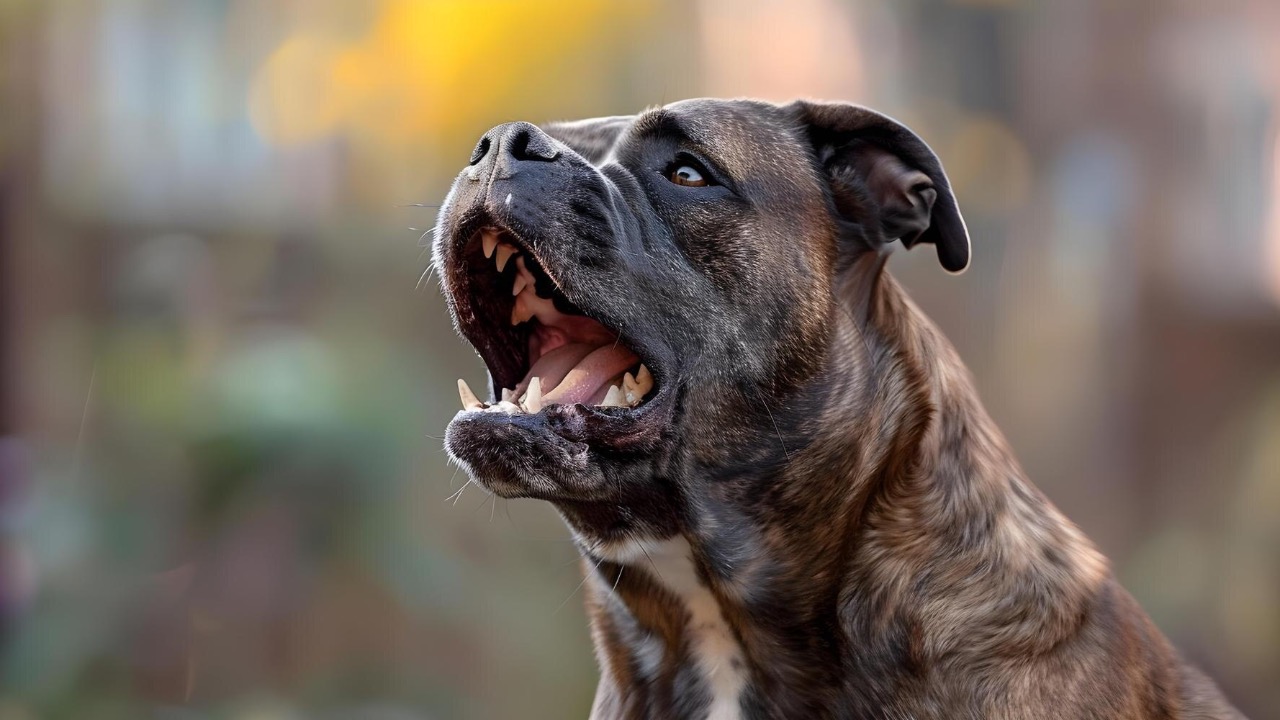
12 dog breeds known for standing their ground against predators
Across mountain ranges, open ranches and remote forests, some dogs are bred not just to bark at trouble but to confront it head on. These working breeds have the size, temperament and instincts to face wolves, bears and big cats while protecting livestock and people. Here is a closer look at 12 dog breeds known for holding their ground when predators close in, and what makes each of them suited to that dangerous work.
Kangal Shepherd Dog
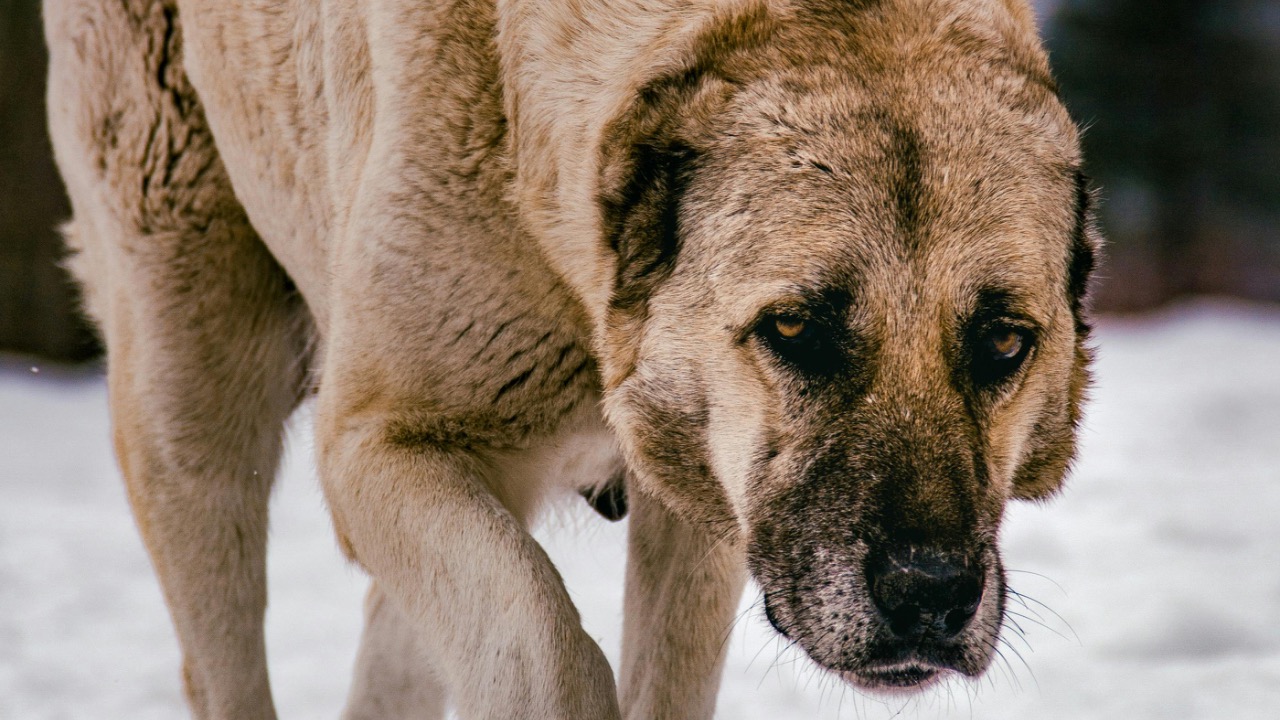
The Kangal Shepherd Dog is often held up as the benchmark for livestock guardians that refuse to back down. Large, muscular and athletic, Kangal Shepherds have been used for centuries to protect flocks in rugged country. Their work involves confronting wolves and other serious threats rather than chasing off small nuisances.
Specialist profiles describe the Kangal as a powerful guardian with a calm but decisive temperament, built with a sturdy frame and a distinctive black mask that signals its identity as a serious working dog. One detailed guide notes that for centuries this resilient breed has been used as a livestock guardian to protect herds from predators, and credits its physical power and steady nerves for that record of service. Another comparison of working dogs characterizes the Kangal as a “striker” that uses a massive chest and explosive movement to meet an attacker, in contrast with more wrestling-oriented breeds. Social media accounts devoted to working lines also highlight that Kangal dogs are described as very brave, very fast and agile, yet kind to women and children, underlining their mix of family loyalty and battlefield composure.
Commentary from enthusiasts sometimes goes further and claims that with its massive size, strength and courage, the Kangal is one of the few breeds capable of defeating a wolf. That same discussion points to a strong protective instinct and a reputation for being a deterrent against large predators. Unverified based on available sources.
Caucasian Shepherd Dog
If the Kangal represents athletic power, the Caucasian Shepherd Dog stands out for sheer bulk and presence. Developed in the Caucasus Mountains, the breed was tasked with defending flocks against wolves and other large carnivores in harsh, mountainous terrain. A detailed profile describes how the breed’s history in the rugged Caucasus Mountains shaped a dog with massive bone, a thick coat and a fearless temperament.
Modern descriptions often emphasize that the Caucasian Shepherd is one of the best guard dogs for protecting livestock and homes from wild animals like wolves and bears. One overview of guard breeds notes that the Caucasian Shepherd Dog is considered highly effective against such threats, combining intimidating size with a strong territorial instinct. Another source describes this dog as a powerful breed known for its intimidating size and fearless temperament, capable of confronting predators that would overwhelm smaller guardians.
Commentary that focuses on breed restrictions points out that Caucasian Shepherds, also called Caucasian Ovcharkas, have a reputation for being able to take down wolves, which contributes to their controversial status in some regions. Enthusiast communities sometimes share images that underline how large and bear-like these dogs can appear, even when they are simply standing near their flocks.
Anatolian Shepherd Dog
The Anatolian Shepherd Dog is another giant of the guardian world, rooted in Turkey’s pastoral culture. Historical notes explain that the ancestors of the Anatolian Shepherd were used for centuries to guard sheep and goats in open country, where they had to live outdoors all year and confront predators without human backup. One veterinary breed sheet states that Anatolian Shepherd Dog is able to live outside all year round and that for centuries its ancestors were used to protect livestock from predators.
Working descriptions emphasize that Anatolian Shepherds are large, powerful dogs employed to guard livestock against predators such as tigers, bears and cheetahs in some regions. Activity guides aimed at owners describe how these dogs thrive when given serious work and highlight their independent decision-making in the field. A social media post focused on bite strength cites that The Anatolian Shepherd has a bite force of approximately 743 PSI, which places it among the strongest bites documented in domestic dogs.
Commentary from shepherd dog enthusiasts describes Anatolian Shepherds as loyal, independent and reserved, and rescue groups remind adopters that these dogs are supposed to be a livestock guardian breed whose instinct is to protect their herd of people as seriously as they would protect sheep. Training guides on shepherd breeds highlight that the Anatolian Shepherd is renowned for its prowess in safeguarding livestock from predators, which aligns with accounts from ranchers who rely on them in coyote and wolf country.
Great Pyrenees
The Great Pyrenees, also known as the Pyrenean Mountain Dog, brings a different kind of presence to predator control. Instead of a short-coated, mastiff-like silhouette, this guardian is wrapped in a thick white coat that helps it blend with sheep and withstand alpine weather. A ranch guide explains that Every aspect of the Great Pyrenees has been developed to maximize the breed’s livestock protection abilities, from size and coat to temperament.
Historical summaries point out that the Great Pyrenees is a large, thickly coated working dog originally bred to deter sheep-stealing wolves in mountainous regions. One profile of rugged mountain dogs notes that The Great Pyrenees was designed for life in wilderness and that Their immensely powerful build and dense coat equip them for cold, high-altitude work. Another overview of calm guard dogs states as a Fact that The Great Pyrenees has historically been used as a livestock guardian that protects flocks from predators.
Livestock guardian lists consistently place the Great Pyrenees among the classic breeds for farms and ranches, and some working dog owners describe how these dogs will position themselves between their flock and any perceived threat, using deep barking and strategic movement to warn off predators before a fight is necessary. A separate guide to shepherd dog breeds reinforces that Great Pyrenees mountain dogs guard flocks in open spaces and are among the largest sheepdog breeds used in such roles.
Central Asian Shepherd Dog
The Central Asian Shepherd Dog, also known as the Alabai, is an ancient livestock guardian from Central Asia with a reputation for fearlessness. A detailed breed history notes that The Central Asian Shepherd, also called the Alabai, is an ancient livestock guardian breed with a history dating back over 4,000 years, which reflects how long humans have relied on these dogs to hold off predators.
Modern descriptions emphasize that The Central Asian Shepherd Dog is among the large breed types with considerable musculature, bred as a guardian for threats that include wild animals and human intruders. Another profile aimed at dog owners describes The Central Asian Shepherd Dog as an ancient breed of guards and companions and invites readers to Learn about its characteristics and guardian instincts, underlining its dual role as protector and partner. Social media clips sometimes feature a Central Asian Shepherd described as 120 kilograms, with claims that such dogs fight bears, bulls and leopards, although those specific feats are unverified based on available sources.
Video content that ranks dog breeds capable of squaring off against a bear lists the Central Asian Shepherd among the top contenders, and working dog enthusiasts often refer to the Alabai’s territorial nature and endurance. A commercial listing that introduces a product line mentions Meet the Alabai the Central Asian Shepherd Rocky Kanaka and references a Central Asia Shepherd Dog KCP, which reflects the breed’s spread beyond its original region. Search results for Central Asian Shepherd further reinforce its recognition as a distinct guardian type.
Karelian Bear Dog
Where many guardian breeds focus on wolves, the Karelian Bear Dog has a name that spells out its traditional opponent. Originating in Finland, this medium-sized, athletic dog was developed to hunt and confront large game. A discussion of wildlife management notes that The Karelian Bear Dog is being trained specifically for work that involves dangerous animals, including efforts to haze bears away from human areas.
Accounts from rural communities describe how Karelian Bear Dogs are good at hunting and fighting big game animals like moose, wolves and the Eurasian Brown Bear and credit their speed and agility for this ability. One conversation about livestock guardian dogs and grizzlies states that They, meaning Karelian Bear Dogs, can handle such encounters and are valued for their courage. A separate social media post explains that Its called a Karelian Bear Dog and that these medium sized, super athletic dogs literally fight off bears by running circles around them and using quick movements rather than brute force.
Breed descriptions highlight that the Karelian Bear Dog is a brave, quirky pup who loves winter, and that these dogs made great hunters and defenders in their Finnish homeland. An image caption notes that The Karelian Bear Dog, originating in Finland, is well adapted to cold weather, which helps explain why they are still used in northern regions where bears and other large predators are common.
Tibetan Mastiff
The Tibetan Mastiff is one of the most visually imposing guardian breeds, with a massive frame and thick fur suited to Himalayan winters. Historical commentary describes this ancient Himalayan breed as developed to protect livestock from formidable predators like wolves and leopards, and notes that their heritage is steeped in guarding remote herds. A short video clip summarizes that Developed for this purpose, the Tibetan Mastiff had to operate in isolated mountain terrain where human help might be far away.
Working dog discussions explain that They, referring to a Tibetan Mastiff, are used to guard livestock in the mountains by themselves, and emphasize that these dogs are expected to make independent decisions when facing threats. Another informal description calls the Tibetan Mastiff an “absolute unit” of a dog with thick dense fur meant to help them fight off bears, leopards and tigers, reflecting the scale of predators in their original environment. A separate ranking of dog breeds that can take down a bear lists the Tibetan Mastiff among the top three, although specific claims about individual fights remain unverified based on available sources.
Social media groups devoted to wildlife and dog enthusiasts also feature posts that mention Tibetan Mastiff in the same breath as other large guardian breeds that some owners believe could fight wolves. One such comment from Cesar Arenas lists Cane corso, Irish wolfhound and Tibetan mastiff together as breeds whose “soul purpose” is to fight off wolf, reflecting popular perceptions of their courage, even if the historical record is more complex.
Dogo Argentino
The Dogo Argentino represents a different branch of working dogs that still intersects with predator control. Developed in Argentina, this large white dog was selected for hunting big game such as wild boars and pumas. A breed overview states plainly that Dogo Argentino The is a large breed that originated in Argentina where it was mainly used to hunt such large prey, which demands a dog that will not retreat under pressure.

Leo’s been tracking game and tuning gear since he could stand upright. He’s sharp, driven, and knows how to keep things running when conditions turn.