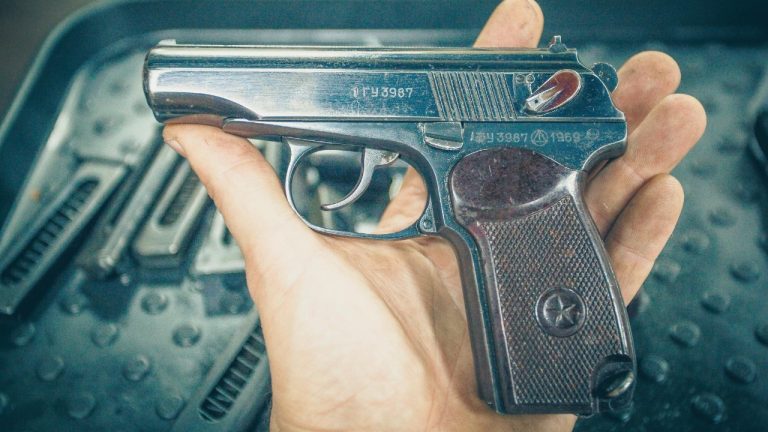
Mistakes legal gun owners should never make
Legal gun ownership comes with responsibilities that extend far beyond a background check and a purchase receipt. The line between responsible defense and life‑altering legal or safety fallout is thinner than many owners realize. Avoiding a short list of common errors can mean the difference between a firearm that protects a household and one that endangers it.
From paperwork and training to storage, mindset and post‑incident conduct, certain missteps show up again and again in police reports, court cases and range debriefs. Recognizing those patterns gives every lawful owner a practical roadmap for what not to do.
1. Skipping safety training and fundamentals
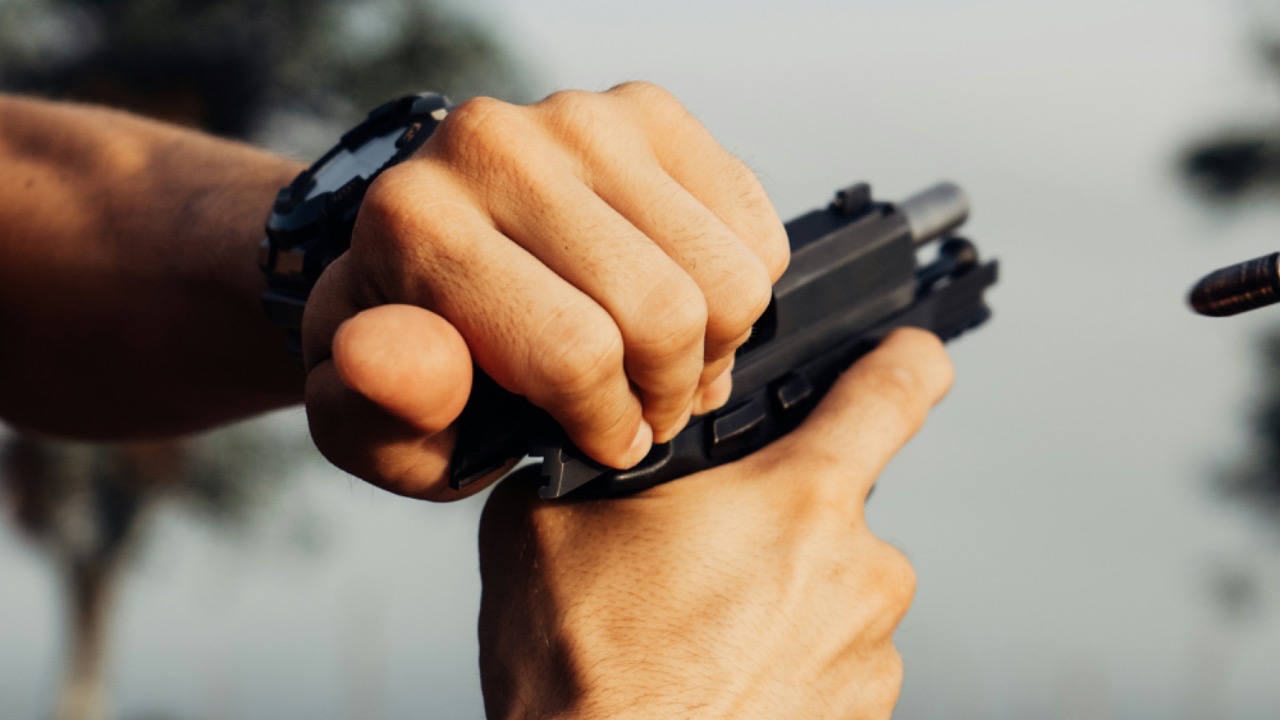
One of the most consistent problems instructors report is the owner who buys a pistol, loads it and assumes that is enough. Training programs describe new buyers who treat a gun like a lucky charm rather than a tool that demands skill. Several schools list “Not Getting Proper Training” and “Refusing to Take a Gun Safety Training Course” as the first and most basic errors that lead to unsafe handling and legal trouble.
Basic safety rules are not optional. Official guidance instructs owners to treat all firearms as loaded, keep the muzzle pointed in a safe direction, and keep fingers off the trigger until ready to fire. When owners skip structured classes, they often miss how those rules apply in real settings such as crowded parking lots, vehicles or small apartments. That gap shows up later as negligent discharges and near misses that could have been avoided with a weekend course.
Experienced trainers also warn against “Rushing the Learning Process.” Purchasing a handgun is only the beginning, and assuming that ownership equals readiness leads to overconfidence on the street and underperformance on the range. Responsible owners budget time and money for regular instruction, not just the initial purchase.
2. Treating safety rules as optional at home or on the range
Complacency is another recurring theme. Instructors who see thousands of shooters a year describe “Neglecting Safety Basics” as a top cause of preventable incidents. People who have been around guns for years sometimes relax standards at home or on familiar ranges, handling firearms casually in front of friends or family.
Common mistakes include poor muzzle control, casual pointing of an “unloaded” gun at others and fingers resting on triggers during administrative tasks. One range guide labels “Poor Trigger Discipline” as the single biggest mistake in everyday carry, because a stray finger inside the guard during a fall, draw or reholster can fire a round into a leg, floor or bystander.
State agencies echo that message. Official firearm safety tips stress that “There” are basic rules that must be followed every time, including “Treat” all guns as if they are loaded and never rely on mechanical safeties. When long‑time owners start to bend those rules because “nothing has ever happened,” risk climbs sharply.
3. Carrying without permits or ignoring reciprocity
Legal errors are just as dangerous as technical ones. Some owners assume that once they have a pistol in the safe, they can carry it anywhere. A detailed concealed carry guide lists “Don’t Carry Without a Permit” as the first mistake that can turn an otherwise lawful owner into a defendant. Even in states with permitless or “constitutional” carry, specific conditions often apply that many owners do not fully understand.
Another trap is crossing state lines. Resources that catalog “Concealed Carry State Reciprocity Laws” show how quickly the rules change from one jurisdiction to another. A permit that is valid in one state may be meaningless in a neighboring one, and a driver who fails to check reciprocity before a road trip can face arrest despite having passed a background check at home.
Practical guidance from holster makers and trainers highlights simple but overlooked problems such as “Forgetting Your CCW Permit At Home.” That oversight turns a lawful errand into a potential criminal charge if an officer asks for documentation after a traffic stop or minor collision. Responsible carriers treat their permit like a driver’s license and verify reciprocity before every interstate trip.
4. Carrying when mentally or chemically impaired
Carrying a gun while drunk, high or otherwise impaired is a fast route to disaster. Legal analysis of “Adderall and” firearms in “California” shows how combining certain controlled substances with a gun can lead to felony charges, including two to four years in prison and fines that reach five figures. That example illustrates a broader point: mixing firearms with any intoxicant or controlled drug can turn a routine encounter into a serious case.
Self‑defense instructors also warn that judgment is as important as marksmanship. A person who drinks heavily, uses recreational drugs or misuses prescription medication while armed is more likely to misread threats, provoke confrontations or mishandle a weapon in public. Even if no shot is fired, brandishing a gun while impaired can lead to charges that cost permits, jobs and freedom.
Responsible owners set bright lines. If alcohol or impairing medication is on the schedule, the gun stays locked up. That rule protects not only the carrier but also anyone who might be hurt by a bad decision in a bar, at a party or on the drive home.
5. Poor storage and letting unauthorized people access guns
Improper storage is one of the most common and preventable mistakes. Safety instructors list “Improper Firearm Storage” as a leading error, noting that firearms should always be secured and stored properly when not in use. That means locked containers, safes or cable locks, not glove compartments, purses or nightstands that children and visitors can reach.
Training programs for new owners describe “Inadequate Storage Practices” as a recurring issue and stress that hiding a pistol is not the same as secure storage. Curious teenagers, younger children and guests often know where guns are kept, even if parents assume otherwise. When a minor accesses a loaded weapon, the result can be a tragedy that also exposes the owner to criminal and civil liability.
Some schools recommend simple checklists: every firearm unloaded when stored, ammunition kept separately where feasible, and quick‑access safes for defensive guns that must remain ready. Those steps respect both the need for rapid response and the obligation to keep unauthorized hands off the trigger.
6. Neglecting practice, mindset and realistic scenarios
Owning a firearm without maintaining skill is another mistake that surfaces in training reports. One academy warns against “Training for Possibilities Instead of Probabilities,” where students spend hours on exotic scenarios and almost no time on the close‑range, low‑light encounters that actually occur. Others caution against “Only Practicing What You” already do well, which leaves critical weaknesses unaddressed.
Instructors also push back on the belief that a gun automatically makes someone safer. A video discussion from Geauga Firearms Academy features “Kim and Neil” explaining that owning a gun does not mean a person is competent. They demonstrate how stress, poor grip, bad trigger control and tunnel vision can wreck accuracy when it matters most.
Experienced carriers and writers identify mindset as a core issue. One commentator labels “Carrying a concealed pistol when you are not prepared for the responsibility” as the Number One mistake, arguing that anyone who carries must have already thought through whether they are truly willing to shoot another human being if forced. Without that mental preparation, hesitation or panic in a crisis can be deadly.
7. Sloppy concealed carry habits and gear choices
Concealed carriers face a separate set of pitfalls. A detailed guide that lists “32” common errors includes issues such as poor holster selection, inadequate cover garments and constant fidgeting that draws attention. It also highlights how many carriers fail to understand retention, reholstering and safe draw strokes, which increases the risk of accidental discharge.
Holster companies that analyze customer behavior describe how some owners buy cheap, floppy rigs that collapse when the gun is drawn. That design forces the user to point the muzzle toward their own body while reholstering, which is how many self‑inflicted leg wounds occur. Others carry in pockets without a dedicated holster, where keys, coins or fabric can snag the trigger.
Video instructors reinforce the point with real‑world examples. One breakdown of “5 Concealed Carry Mistakes That Could Put You in Jail” warns about printing and brandishing in extreme weather, joking about a cover garment when it feels like “150” degrees outside with “gazillion” humidity. The humor masks a serious point: if clothing fails and the gun becomes visible in a jurisdiction that requires full concealment, the carrier may face charges even if no threat occurred.
8. Ignoring legal standards before, during and after a defensive use
Legal training groups emphasize that many mistakes happen long before a shot is fired. One curriculum on “Part” 1 of defensive errors lists “Mistakes People Make Before Anything Happens,” including “Acting too soon” and confusing a vague threat with an imminent one. A threat “someday” is not the same as someone presenting a weapon or charging, and starting the fight can turn a would‑be defender into the legal aggressor.
Lawyers who represent gun owners stress that “Your” freedom may depend on understanding force law. Guidance for clients instructs them to “Never use more force than necessary” and to remember specific rules about proportionality and retreat where applicable. Even a clearly dangerous suspect does not justify shooting once the threat has ended or the person is running away in many jurisdictions.
Post‑incident conduct is another minefield. Legal counsel often advises, “Do Not Make Any Statements After” a “Shooting” beyond identifying oneself and requesting medical help and an attorney. Emotional, off‑the‑cuff comments can be misquoted or misunderstood and later used in court. Responsible owners learn these protocols in advance rather than improvising under stress.
9. Mishandling guns around family, friends and social media
Some of the most avoidable errors happen in relaxed settings. Instructors describe owners who hand loaded pistols to friends at backyard barbecues, pose for photos with fingers on triggers or stage social media content that involves unsafe handling. A Quora contributor, “Scott Dismukes,” introduced as a “Student of the” effectiveness and intent of gun control laws, lists not knowing how to shoot one’s own gun and showing off as common missteps that undermine responsible ownership.
Articles on things “you should never do as a legal gun owner” warn against casual carry at parties, brandishing during arguments and using firearms as props in jokes. One list starts with “Don’t Carry Without a Permit,” but continues with subtler advice: avoid mixing guns with ego, alcohol or online clout chasing. A single reckless video can draw attention from employers, law enforcement and licensing authorities.
Experienced shooters remind new owners that every public interaction with a firearm reflects on the broader gun community. Sloppy behavior in front of neighbors or on platforms like Instagram and TikTok fuels calls for tighter regulations and can damage the reputation of responsible carriers who follow the rules.

Leo’s been tracking game and tuning gear since he could stand upright. He’s sharp, driven, and knows how to keep things running when conditions turn.