Why some revolvers become heirlooms while others disappear
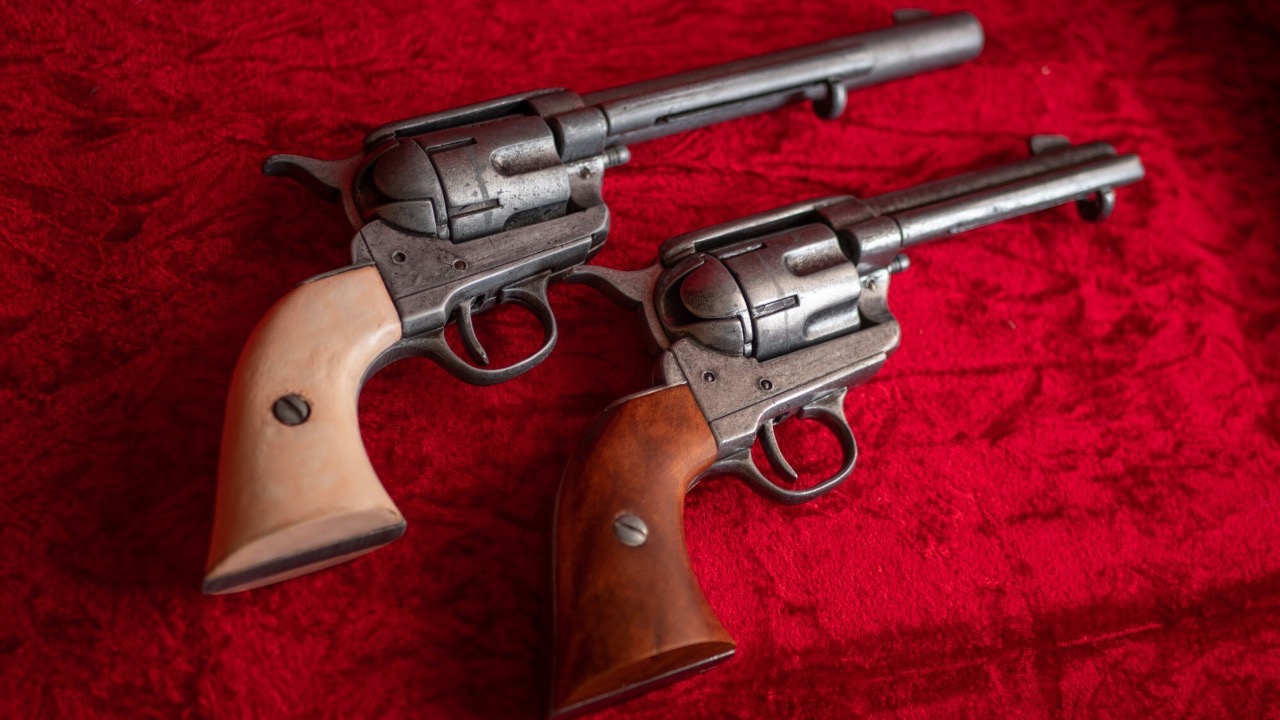
Revolvers have a way of sticking around. Some end up wrapped in oil-soaked paper at the back of a safe, passed down with stories and instructions. Others vanish quietly, traded off, forgotten, or left to rust without much thought. The difference usually has nothing to do with price or flash. It comes down to how a revolver fits into someone’s life and how it behaves over decades, not range sessions. If you’ve handled enough wheelguns, you start to notice patterns. Certain traits keep a revolver relevant long after trends change, while others guarantee it gets left behind. These are the real reasons some revolvers earn a second generation and others don’t.
They Wear Time Instead of Fighting It
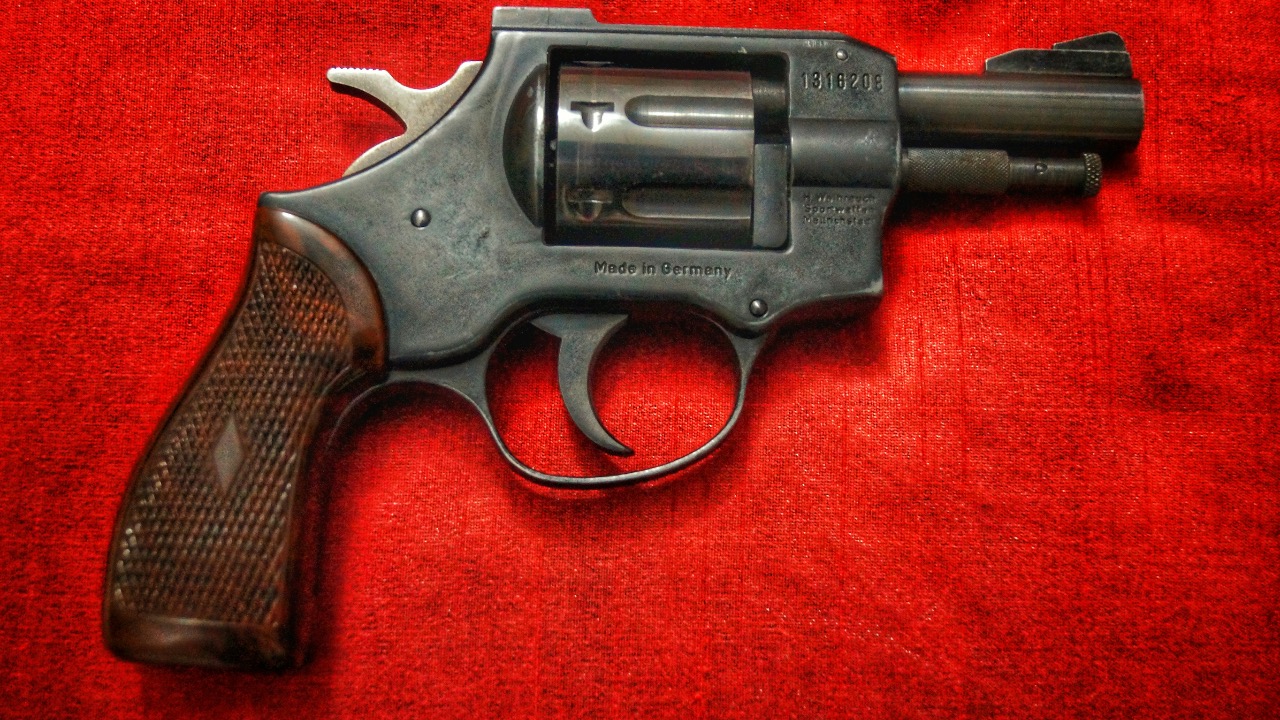
Revolvers that become heirlooms tend to age honestly. Holster wear shows up on edges, bluing thins where hands rested, and grips darken from use. None of that hurts how the gun works. In fact, it often adds to the appeal.
The ones that disappear usually age poorly. Finishes flake, parts loosen, or tolerances open up in ways you can’t ignore. When wear starts causing problems instead of character, people lose trust fast. A revolver that still locks up tight after decades earns respect. One that feels tired after a few seasons ends up forgotten.
They’re Easy to Understand Without a Manual
Heirloom revolvers don’t require explanations. You pick them up, open the cylinder, check it, and everything makes sense. The controls are obvious, and the manual of arms stays consistent year after year.
Revolvers that fade away often confuse new hands. Odd latch placements, unusual loading steps, or finicky timing quirks create hesitation. When a gun makes people nervous about using it wrong, they stop using it altogether. A revolver that invites confidence gets handled, shot, and eventually remembered.
They Balance Well in Real Hands
Balance matters more than people admit. The revolvers that stick around usually feel right the moment you bring them up. Weight is centered, the barrel doesn’t drag, and recoil comes straight back instead of twisting.
The forgettable ones tend to feel awkward. They might be nose-heavy, grip-heavy, or shaped in ways that fight your wrist. Even if they shoot fine on paper, they’re tiring to hold and less pleasant to fire. Guns that feel good get used. Guns that feel off get set down and stay there.
They Were Bought for a Reason That Lasted
Many heirloom revolvers were purchased for work that mattered. Maybe it was a duty gun, a ranch sidearm, or something carried daily for years. That kind of use creates attachment.
Revolvers that disappear are often impulse buys. They were interesting, different, or cheap at the time, but never filled a real role. When the novelty wore off, there was no reason to keep them. Purpose builds memory. Without it, a revolver becomes easy to let go.
Parts and Support Never Became a Problem
A revolver that survives generations usually does so because it never became a headache to maintain. Springs, grips, and basic parts remained available, or at least serviceable by a competent smith.
The ones that vanish often suffer from orphaned designs. Once something breaks, fixing it becomes expensive or impossible. When a gun turns into a project instead of a tool, people lose interest. A revolver that stays serviceable stays relevant, even when it’s old.
They Don’t Punish Average Shooting
Heirloom revolvers tend to be forgiving. The triggers are consistent, the sights make sense, and the recoil doesn’t beat you up. You don’t have to be at your best to shoot them well.
Revolvers that disappear often demand too much. Heavy triggers, sharp recoil, or poor sight pictures make them work to shoot. Over time, shooters stop reaching for them. Guns that reward casual competence get passed down. Guns that demand perfection usually don’t.
They Carry Stories, Not Just Specs
Some revolvers survive because of what happened with them, not what they are. Maybe they rode in a truck for twenty years, dropped a coyote in a fence line, or sat in a nightstand through hard times.
Revolvers without stories fade quickly. If no one remembers where it’s been or what it did, it becomes another object. A gun with a history becomes part of the family. One without it becomes inventory.
They Age Into Their Role
The revolvers that endure don’t try to stay modern. They settle into what they are and keep doing it well. As time passes, expectations shift, but the gun remains useful within its lane.
The forgettable ones get left behind by progress. They’re outperformed, outclassed, and outgrown with nothing to fall back on. A revolver that still makes sense decades later earns its place. One that doesn’t gets left behind without much ceremony.

Asher was raised in the woods and on the water, and it shows. He’s logged more hours behind a rifle and under a heavy pack than most men twice his age.