Self-defense tips that fall short in real situations
Self-defense advice is everywhere, from viral clips to well-meaning friends, but a lot of what circulates sounds empowering while doing little to keep people safe when violence erupts. Real confrontations are fast, messy and frightening, and techniques that look impressive in a calm setting often collapse under pressure. To separate useful preparation from false confidence, I focus on where popular tips fail in real conditions and what evidence-backed habits actually improve your odds.
Across law enforcement training, martial arts schools and community safety programs, a consistent message emerges: survival has more to do with awareness, decision making and simple movements than with secret tricks. When I compare that reality with the most common myths, a pattern appears, from overreliance on gadgets to blind faith in complicated moves. The gap between fantasy and reality is where people get hurt.
When “just fight back” ignores fear, size and chaos

One of the most persistent half-truths is the idea that anyone can simply decide to fight back and win if they want it badly enough. In real assaults, adrenaline, fear and surprise hit like a wave, and even trained people can freeze or fumble. Police and combatives instructors stress that the first seconds of an attack or active assailant situation are critical, and that you need a plan to act decisively rather than be “scared into inaction,” as one guide for responding to an active assailant puts it, urging You to be ready before anything happens.
Size, strength and numbers also matter more than many slogans admit. A smaller person facing multiple attackers or someone armed with a weapon cannot rely on sheer willpower. Practical instructors talk about “fighting in the phonebooth,” close quarters where options are limited and where officers are trained in specific Striking, takedowns and control tactics because generic advice to “fight back” is not enough. For civilians, the realistic takeaway is that resistance has to be strategic, not heroic, and that escape, stalling or verbal de-escalation may be safer than trying to overpower someone who has every physical advantage.
Gadgets and improvised weapons that create false security
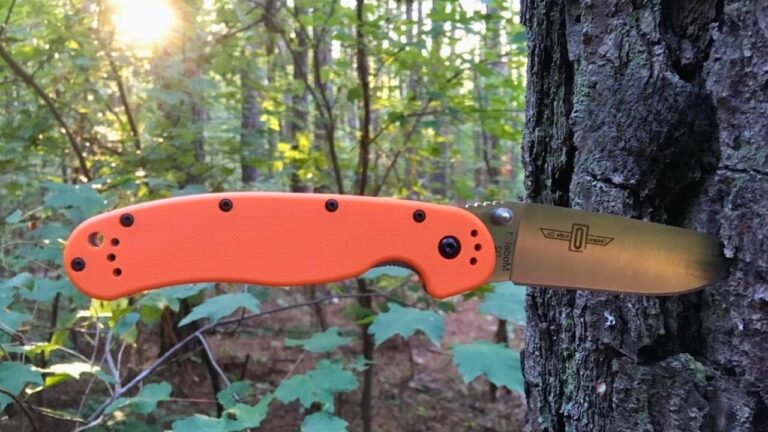
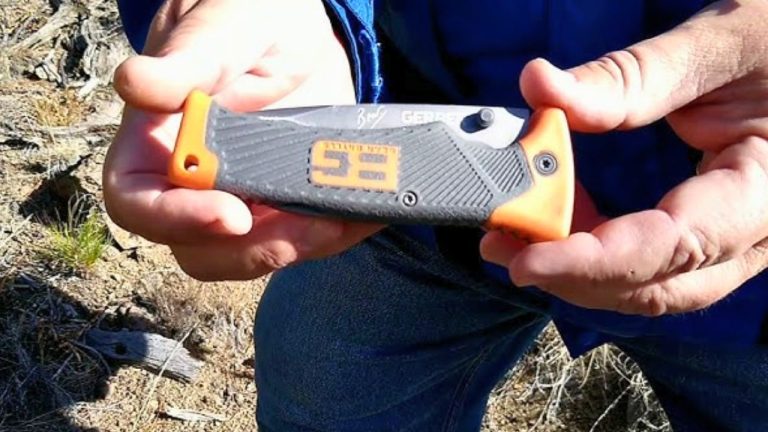
Another weak spot in popular self-defense advice is the faith placed in tools, from Swiss Army knives to keychain gadgets. People often assume that carrying a blade or multi-tool automatically makes them safer, but using a weapon under stress is far harder than it looks on a product page. One analysis of knife use in self-defense warns explicitly not to count on a Swiss Army knife, arguing that “One of the” most reliable protections is situational awareness and mental rehearsal, not a small folding blade that is slow to deploy and easy to drop, and that real safety starts with noticing trouble early enough to avoid it, then acting on that awareness once you have One of the scenarios in mind.
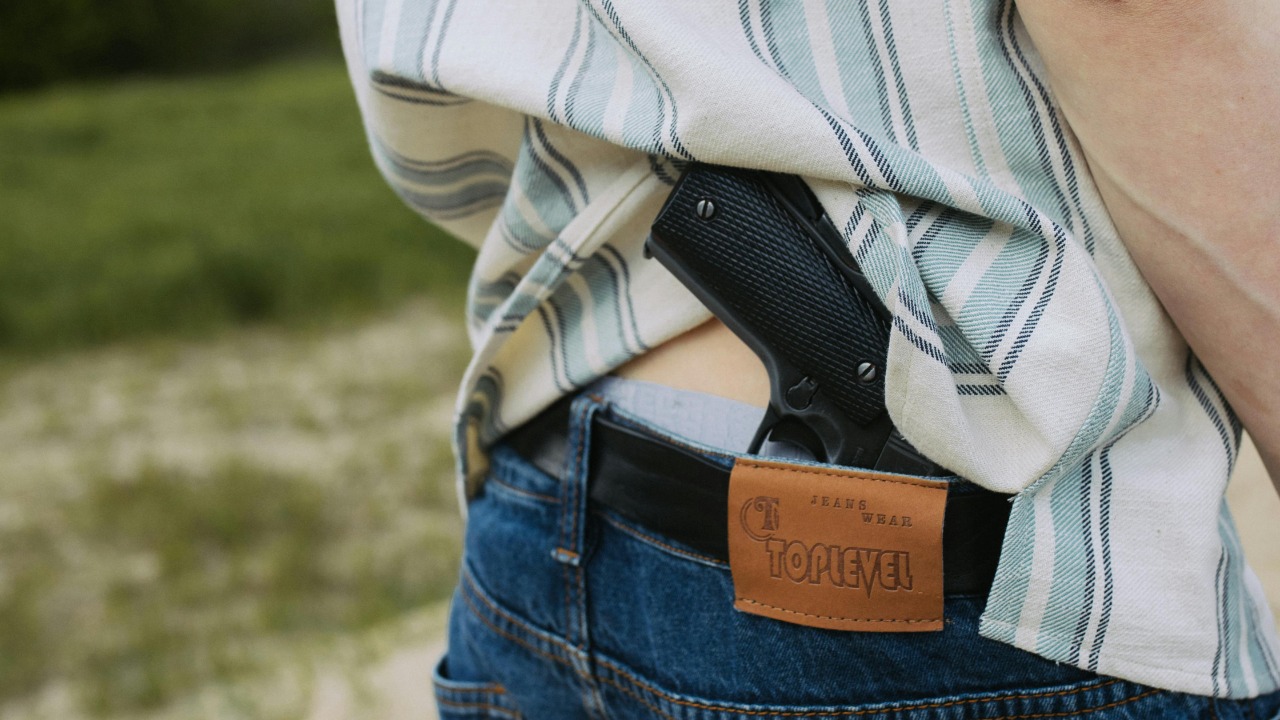
Law enforcement trainers echo this skepticism about overreliance on gear. Programs that teach officers to handle violent encounters emphasize that they must “Stop” relying on tools that are not always effective, because batons, sprays or even firearms can fail, jam or be taken away, and that sometimes they simply need to go hands on with solid fundamentals instead of assuming equipment will save them. That same logic applies to civilians who pin their hopes on a keychain kubotan or a can of spray buried at the bottom of a bag, rather than on habits like staying in well lit, populated areas and having a clear exit route, which practical self-defense coaches describe as core Practical measures.
Fancy moves that collapse under pressure
Flashy techniques are a staple of movies and some traditional classes, but they are among the first things to fail when a real attack unfolds. Under stress, fine motor skills deteriorate, and people default to simple, gross movements they have practiced repeatedly. Instructors who specialize in high stress encounters warn that “Fancy” moves and complicated motions have no place in serious training, because the more complex the action, the more likely it is to fall apart in the chaos of an actual altercation, especially when the defender is scared, tired or injured and cannot remember a multi step sequence that looked impressive in a calm Fancy demonstration.
Even within martial arts communities, there is growing recognition that many traditional self defence drills are not practical. One discussion of combat strategy notes that, “First and” foremost, a lot of techniques taught in some classes do not hold up under the stress and chaos of an actual attack, especially when they rely on a compliant partner or assume the attacker will move in a predictable way. Experienced coaches instead push students toward simple, high percentage responses that can be applied from awkward positions, and they encourage people to test those skills under pressure rather than trusting a move just because it looks good in a First and controlled drill.
Overlooking awareness, planning and instinct
Some of the weakest self-defense tips are not what they include but what they leave out. Lists that focus only on what to do once someone grabs you ignore the far more powerful tools of awareness and planning. Safety educators repeatedly stress that the most effective self-defense technique is avoiding danger altogether, and that you should Develop your situational awareness by staying alert, scanning your surroundings and avoiding potentially dangerous situations whenever possible, rather than assuming you will improvise a perfect response if something goes wrong in a dark parking lot or on an empty Develop street.
Good advice also respects intuition. One guide to everyday safety spells this out in a simple rule: “Rule” number two is to “Trust” “Your” instincts, because if something feels off, it probably is, and leaving early or changing course is often the safest move. Community groups that share tips, such as a post that opens with “Mar” and “Here” and urges people to “Travel” in groups when possible and to always have a safety plan, reinforce the same idea that forethought beats improvisation, and that you should Always have a safety plan rather than counting on last second heroics when a stranger’s behavior starts to escalate in a bar, on a train platform or in a rideshare Rule.
Misreading confidence, fitness and age as protection
Another subtle myth is that confidence or fitness alone will carry you through a violent encounter. Feeling strong and capable is valuable, but it can also encourage people to take risks they would otherwise avoid. Some women’s self-defense advice highlights that “Feeling” safe and projecting “Confidence” can sometimes deter an attacker, and that “Som” attackers do look for people who seem distracted or unsure, yet the same sources also stress that this is only one layer of protection and not a shield against someone determined to cause harm, especially if they are armed or under the influence of drugs or Feeling alcohol.
Age is another area where clichés fall short. Older adults are sometimes told they are too frail to learn to protect themselves, or that they should rely entirely on others, which can leave them feeling helpless. In reality, instructors like Reyes, who begins each class with a T’ai Chi warm up, show that seniors can build effective skills tailored to their bodies, and that when it comes to actual self-defense he teaches the effectiveness of simple, direct movements rather than acrobatic kicks. His message is that in the dojo you learn clean fighting, not movie choreography, and that even someone who starts late in life can benefit from structured training that respects their limits while still preparing them for real world Reyes threats.
Bad advice about running, escape and the environment
Some of the most dangerous half-baked tips involve escape. People are often told simply to “run away,” as if sprinting in a straight line is always possible. In reality, getting out of danger can require climbing, squeezing through tight spaces or navigating obstacles. One widely shared discussion of practical skills urges people to “Go back to the first thing: not just running, but climbing and jumping, too. Climb” fences, “Get” into and out of buildings and practice moving through your environment so that if you need to escape, you are not trying something for the first time while terrified and out of breath, and so that you understand how your body and clothing actually perform in real Climb conditions.
Awareness of the environment also extends to everyday habits that either help or hinder your ability to notice danger. Advice shared in women’s communities stresses the importance of not going jogging or walking with earbuds that block out sound, and one thread framed around potentially life saving techniques opens with “Apr” and a warning from “Don” to avoid placing yourself in situations where you cannot hear someone approaching from behind. Instructors who focus on fight strategy describe “Feb” and “Awareness and Avoidance The” first and most important aspect of self-defense as being aware of your surroundings and potential threats, which means putting the phone away, keeping your head up and being mindful of exits long before anyone lays a hand on Apr you.
Training that looks good on video but not in real life
Finally, there is the problem of training that is designed for social media rather than survival. Short clips can make complex sequences look easy, but they rarely show what happens when a resisting attacker fights back. Some instructors and commentators point out that many self-defense videos on platforms like YouTube, including one “Untitled” clip that has circulated widely, focus on choreographed responses that assume a single, slow punch or a perfectly placed grab, rather than the flurry of strikes, shoves and off balance scrambles that characterize real violence, and that viewers who copy these moves without context may be rehearsing something that would never work outside a Untitled studio.
By contrast, programs built around realistic scenarios emphasize simple, repeatable actions and decision making. Practical self-defence coaches talk about “Dec” and “Understanding Practical Self” “Defence” “What You Need” to “Know” as a mindset that prioritizes staying in well lit, populated areas, setting boundaries early and using straightforward strikes or escapes only when necessary. Community safety posts that begin with “Mar” and “Here” and urge people to “Travel” in groups and Always have a safety plan reflect the same philosophy, focusing on preparation rather than theatrics. When I look across these sources, the pattern is clear: the tips that fall short are the ones that promise easy victories, while the advice that holds up is usually less glamorous, more repetitive and rooted in how people actually move and think under Awareness and Avoidance The stress.
That contrast is why I put more trust in low key guidance that tells you to scan a parking garage, walk with a friend, adjust your route or leave a party early than in any single “secret move.” The strongest throughline in credible training, from high stress police combatives that tell officers to Stop relying solely on tools, to senior classes where Chi based warm ups lead into direct, efficient techniques, is that survival is built on simple habits, not magic tricks. When self-defense tips ignore that reality, they do more than fall short, they risk convincing people they are ready for situations they have never truly prepared to face.

Leo’s been tracking game and tuning gear since he could stand upright. He’s sharp, driven, and knows how to keep things running when conditions turn.