From Stalled Diplomacy to Potential Troop Deployments: Analyst Warns of 80 Percent Chance of U.S. Ground War
The situation between the United States and Iran has reached a tense crossroads. What started as coordinated airstrikes in late February has stretched into weeks of missile exchanges and military posturing across the Middle East. Direct talks have gone nowhere, even with a detailed American proposal on the table covering everything from nuclear issues to shipping lanes in the Persian Gulf. At the same time, thousands of additional U.S. troops have moved into position, giving the administration fresh options if negotiations stay stuck. One military analyst recently laid out the odds at roughly 80 percent that American forces could end up in a ground war inside Iran itself. You are watching this unfold because the consequences reach far beyond any single battlefield.
The Breakdown in Direct Negotiations
Talks between Washington and Tehran never really got off the ground in any public sense. The United States passed along a 15-point plan through Pakistani intermediaries that spelled out steps on ballistic missiles, nuclear activities, and safe passage through key waterways. Iranian officials have denied that serious discussions are happening at all, even while messages continue behind the scenes. This gap between private exchanges and public statements has left everyone guessing about real progress. You see the pattern repeating from earlier rounds where neither side wanted to appear weak by making the first big concession.
The result is a standoff that feels more fragile with each passing day. Without clear movement at the table, military pressure has taken center stage. Analysts point out that both governments have domestic audiences to satisfy, which makes compromise harder in the short term. The longer this drags on, the more room opens for miscalculation on either side.
American Forces on the Move
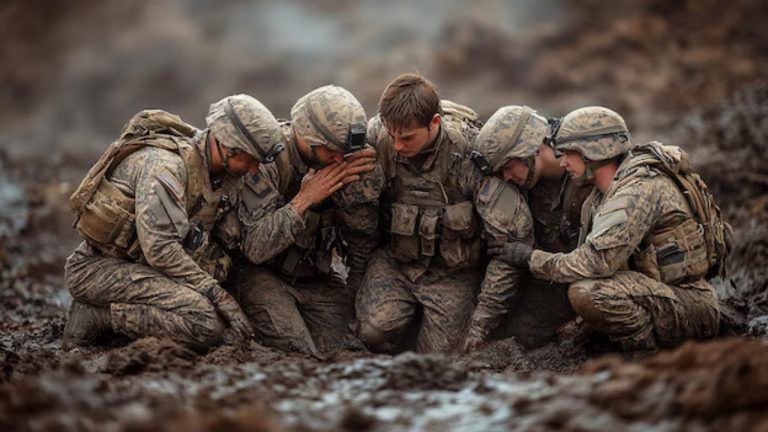
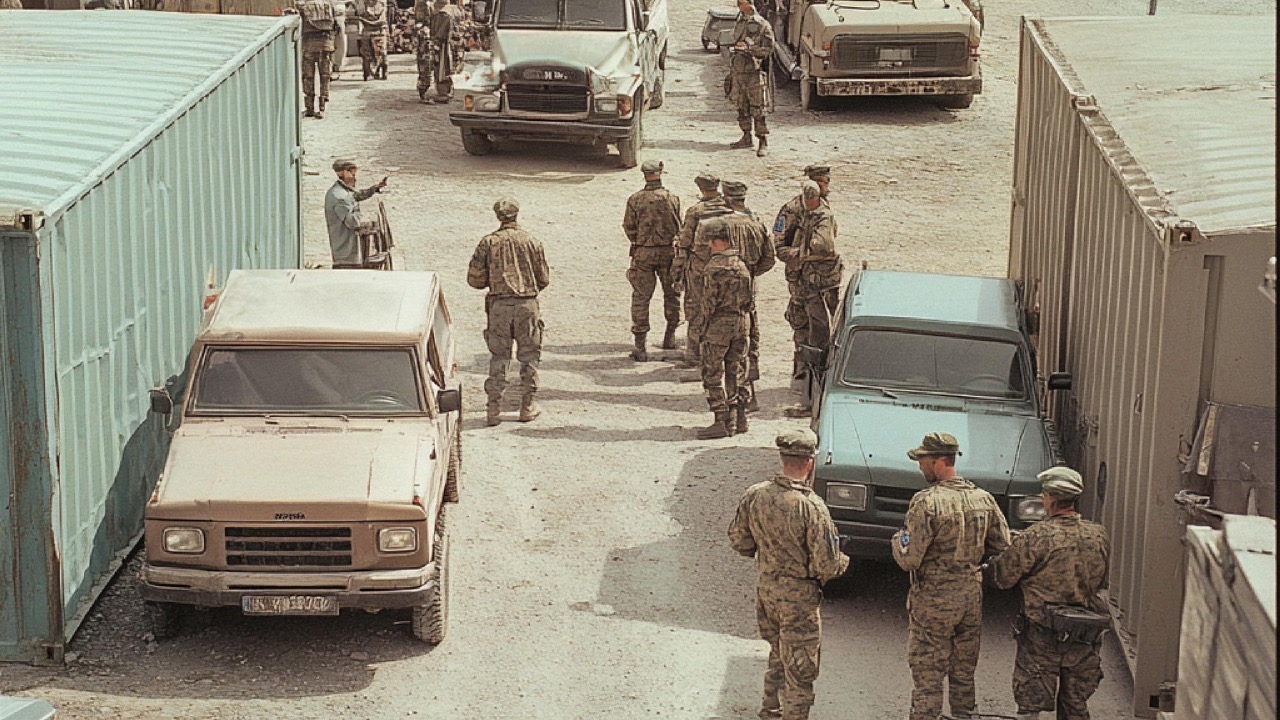
The Pentagon has ordered roughly 2,000 soldiers from the 82nd Airborne Division to head to the Middle East. These paratroopers form part of an elite unit that can deploy quickly and handle rapid response missions. They join thousands of Marines already en route or on station, bringing the recent surge in ground forces close to 7,000 additional troops. The moves add to the roughly 50,000 American personnel already supporting the operation overall.
You notice the pattern in these deployments. They are not random; they position forces within striking range of Iranian territory and key infrastructure. Officials describe the buildup as a way to keep options open while talks continue. No one has announced plans for combat inside Iran, but the pieces are now in place if the White House decides to shift strategy.
Understanding the Analyst’s Assessment
A military analyst recently assessed the situation and put the likelihood of U.S. ground combat in Iran at around 80 percent. The warning came as failed talks gave way to visible troop movements and heightened rhetoric from both capitals. It reflects a view that diplomacy has lost momentum and that military logic is filling the vacuum. The assessment draws on the scale of current deployments and the types of targets that would require boots on the ground to secure.
You can see why the number stands out. It is not a casual guess but a calculation based on how these conflicts tend to evolve once air power alone proves insufficient. The analyst highlighted the risk that limited objectives could expand once forces are committed. At the same time, the figure underscores how quickly the situation could move from pressure tactics to direct engagement.
Potential Targets in a Ground Scenario
Any ground operation would likely focus on specific high-value sites rather than a full-scale invasion. Kharg Island stands out because it handles the vast majority of Iran’s oil exports. Securing safe passage through the Strait of Hormuz could also require forces along the shoreline to protect shipping lanes. These kinds of limited objectives would rely on the rapid insertion capabilities of airborne and marine units already moving into theater.
You recognize the strategic logic. Controlling those chokepoints would disrupt Iran’s ability to fund the conflict or threaten global energy flows. Planners have studied similar missions in the past, weighing speed against the exposure to Iranian defenses. The emphasis remains on targeted action, but history shows how quickly such steps can widen.
Iran’s Stance and Warnings
Iranian officials have drawn a firm line against any American ground presence on their soil. Senior figures have stated publicly that U.S. troops would face fierce resistance and heavy losses. The warnings come alongside continued missile launches and exercises near strategic waterways. Tehran maintains that it will not yield to military pressure and insists any resolution must respect its sovereignty.
You hear the consistent message from Iranian channels. They frame the conflict as a defense of national territory and reject the idea of foreign forces dictating terms. At the same time, signals through intermediaries suggest some openness to de-escalation if conditions align. The gap between tough public statements and quieter diplomatic feelers keeps the situation unpredictable.
Broader Regional Implications
Neighboring countries are watching closely as the standoff intensifies. Persian Gulf states have already absorbed stray strikes and are bracing for wider disruption to shipping and energy exports. Allies in the region provide bases and logistics, but they also worry about being pulled deeper into the fighting. The conflict has already drawn in actors beyond Iran and the United States, raising the chance of a larger confrontation.
You see the ripple effects spreading. Oil prices have jumped, markets have reacted, and diplomatic channels across the Middle East are working overtime. Any ground operation would test alliances and could shift the balance of power for years. The stakes extend to global supply chains that depend on stable energy flows from the region.
The Human and Economic Costs So Far
The fighting has already taken a toll. Thirteen American service members have died, with more than 300 injured in the opening phases. On the Iranian side, civilian deaths have climbed into the thousands according to local reports and international monitors. Missile strikes have hit residential areas and infrastructure in multiple countries, adding to the suffering.
You notice how quickly the numbers add up even before any ground phase begins. Economic pressure is mounting too, with higher fuel costs hitting households and businesses worldwide. These early losses serve as a reminder of the price paid when diplomacy stalls and military options move forward.
Where Things Stand for U.S. Policy
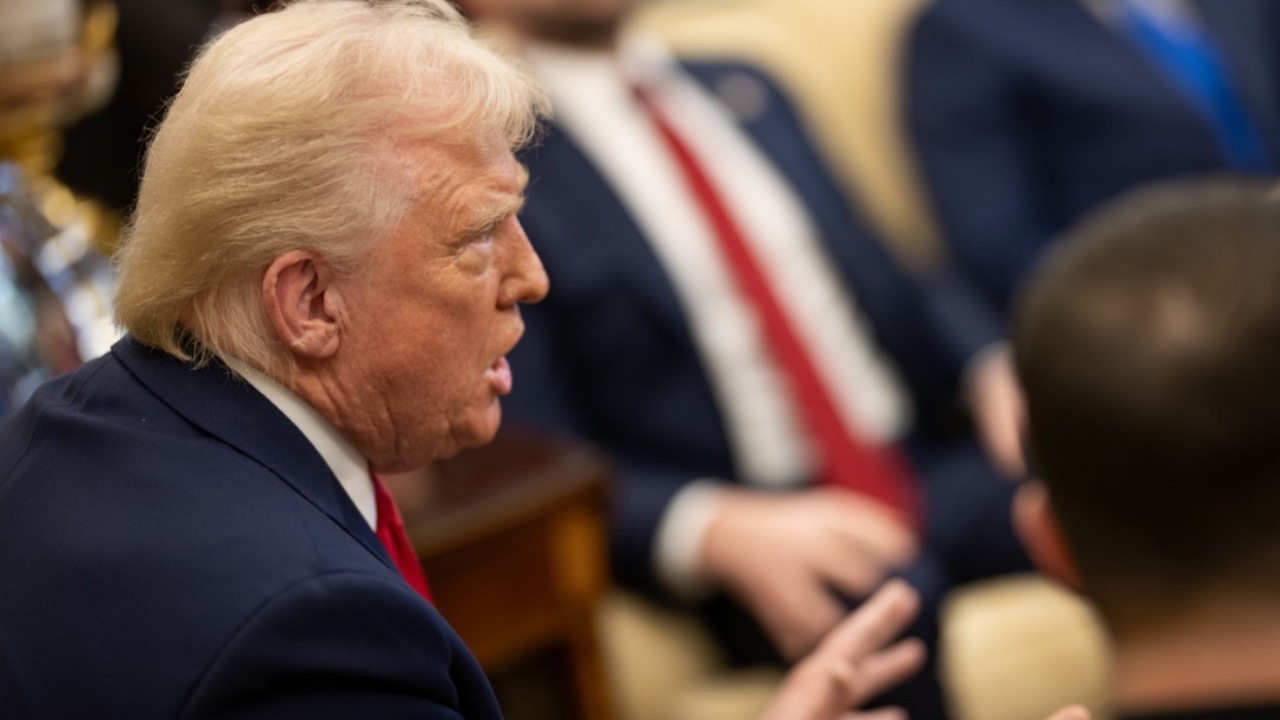
The administration continues to balance military readiness with diplomatic outreach. President Trump has spoken about engaging a more reasonable leadership in Tehran while keeping forces positioned for decisive action. No final decision on ground operations has been announced, but the deployments signal that all paths remain under consideration. Officials stress that the goal is still to end the conflict on terms that protect American interests.
You follow the mixed signals because they reveal the tightrope being walked in Washington. Pressure from Congress, allies, and domestic opinion will shape the next steps. The coming weeks will test whether the combination of troops on the ground and proposals on the table can produce a breakthrough or push the conflict into a new and more dangerous stage.

Asher was raised in the woods and on the water, and it shows. He’s logged more hours behind a rifle and under a heavy pack than most men twice his age.