14 bear myths people still believe — and why they’re wrong
You hear a lot of talk about bears—around campfires, online, and from folks who’ve never been closer than a zoo railing. Some of it sounds convincing. A lot of it will get you in trouble if you believe it.
If you spend enough time in bear country, you learn fast what holds up and what doesn’t. Bears aren’t monsters, but they’re not cartoons either. They’re predictable in some ways, completely unforgiving in others. The difference between a close call and a bad outcome often comes down to what you thought you knew. Here are the myths that keep hanging around—and why they don’t hold water.
You Can Always Outrun a Bear
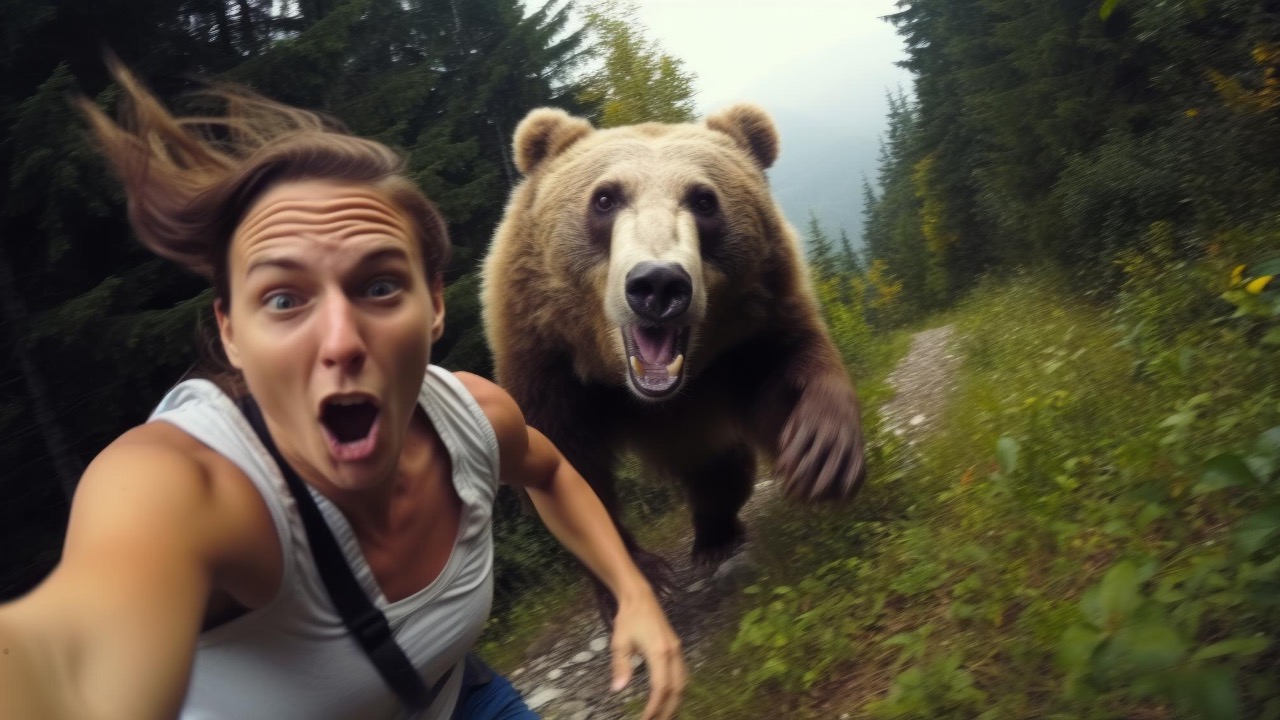
You’ve probably heard someone say they’d sprint downhill or zigzag through the trees. It sounds good until you look at the numbers. Bears can hit speeds around 30 miles per hour, and they don’t need long to get there.
Zigzagging doesn’t change much either. A bear’s stride and power let it adjust faster than you can. Your best move isn’t running—it’s staying calm, making yourself known, and not triggering a chase. Once a bear decides to pursue, you’re not winning that race.
Climbing a Tree Will Save You
This one sticks around because it works in cartoons. In real life, many bears climb better than you do. Black bears, especially, are built for it and can move up a trunk faster than most people expect.
Even large bears that don’t climb as often can still reach you if they’re motivated. And if you’re already scrambling up a tree, you’ve likely turned yourself into something that looks like prey trying to escape. Staying on the ground, keeping your footing, and managing the situation gives you a better chance than trying to out-climb an animal built for it.
Bears Have Poor Eyesight
People like to say bears can’t see well, so you can slip by if you stay quiet. The truth is more balanced. Their eyesight isn’t as sharp as a deer’s, but it’s good enough to pick up movement and shapes at distance.
Where bears really stand out is their nose. Their sense of smell is on another level, and that’s what usually gives you away. You might think you’re hidden, but if the wind shifts, the bear already knows you’re there. Counting on weak eyesight alone is a mistake.
Playing Dead Always Works
“Play dead” gets thrown around like a one-size answer. It isn’t. That advice mainly applies to defensive encounters with grizzly bears—like when you surprise one at close range or get between a sow and her cubs.
With black bears, playing dead can make things worse. In those cases, you’re better off standing your ground and being aggressive if the bear presses. Knowing the difference matters. Treating every encounter the same way can turn a manageable situation into a dangerous one.
Bears Are Always Aggressive Toward Humans
Most bears don’t want anything to do with you. The majority of encounters end with the bear leaving before you even realize it was there. They avoid people when they can.
Problems usually come from surprise, food conditioning, or protecting cubs. If you understand those triggers, you’ll see that aggression isn’t the default. It’s situational. That doesn’t mean you relax—it means you respect what you’re dealing with and act accordingly.
Black Bears Are Harmless
This one gets people hurt. Black bears are generally less aggressive than grizzlies, but they’re still powerful predators. They’re fully capable of injuring or killing a person.
Where people go wrong is underestimating them. They get closer, act casually, or assume the bear will always run. Most of the time it will—but not always. Treat every bear with respect, regardless of species, and you’ll make better decisions when it counts.
Making Noise Will Always Scare Bears Away
Making noise can help, especially when you’re moving through thick cover and want to avoid surprising a bear. But it’s not a guarantee.
Bears that are used to people—or focused on food—may ignore noise completely. In some cases, curiosity brings them closer. Noise is a tool, not a shield. You still need to stay aware, watch the wind, and pay attention to fresh sign.
Bears Only Attack at Night
A lot of folks assume bears are strictly nocturnal. In reality, they move when it suits them—morning, midday, evening, or night.
In areas with heavy human activity, they may shift more toward nighttime movement. In remote country, you can run into one at any hour. Thinking you’re safe because it’s daylight lowers your guard at the wrong time.
Carrying a Gun Guarantees Safety
A firearm can be effective in the right hands, but it’s not a free pass. Under stress, with a fast-moving bear closing distance, accuracy and reaction time matter more than caliber alone.
Many people never practice under those conditions. Bear spray, on the other hand, has a strong track record in stopping aggressive encounters when used correctly. The best approach is knowing your tools and understanding their limits before you need them.
Bears Won’t Come Near Campfires
There’s a belief that fire keeps wildlife at a distance. It might deter some animals, but bears aren’t automatically turned away by flames or smoke.
If food is present, that’s what matters. A bear that smells something worth investigating may come in regardless of a fire. Keeping a clean camp does more to protect you than relying on a ring of flames.
If You Don’t See Cubs, There’s No Sow Nearby
You might spot a lone cub and assume the coast is clear. That’s a dangerous assumption. Sows often keep some distance or stay out of sight while cubs move around.
If you see a cub, you should immediately assume the mother is close. That’s one of the most sensitive situations you can walk into. Back out the way you came and give them space.
Bears Only Eat Meat When They Attack
Bears are opportunistic. Their diet leans heavily on vegetation, insects, and seasonal food sources like berries and nuts. Meat isn’t their primary target most of the time.
When attacks happen, it’s not always about feeding. Defensive reactions are common, and those don’t follow feeding behavior at all. Understanding that difference helps you read a situation better when things get tense.
Once a Bear Leaves, It’s Gone for Good
You might think a bear that walks off is out of your life. That’s not always true. Bears will circle back, especially if something caught their interest.
If there’s food, a carcass, or even curiosity involved, they may return quietly. Staying alert after an encounter is as important as handling the first one. Letting your guard down too early is where people get surprised.
Bears Can’t Get Into Secure Food Storage
Modern bear-resistant containers are effective when used correctly, but nothing is foolproof. Bears are strong, persistent, and good at problem-solving.
Improperly latched containers, poorly hung food, or weak setups get exposed fast. The system works when you use it right. Cut corners, and a bear will eventually figure it out.
Most of these myths stick around because they sound good and get repeated often. The trouble is, bears don’t care what you’ve heard. If you spend time where they live, you owe it to yourself to know what’s real and what isn’t. It’s the difference between handling an encounter the right way—or learning the hard way.

Asher was raised in the woods and on the water, and it shows. He’s logged more hours behind a rifle and under a heavy pack than most men twice his age.