National park firearm rules every visitor should understand
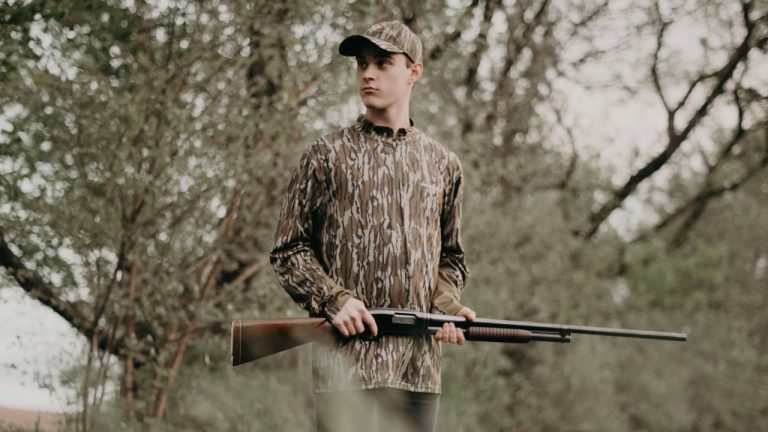
You can carry a firearm in a national park today, but that doesn’t mean the rules are loose or easy to guess. A lot of folks still operate on outdated information, and that’s where problems start. The law changed years ago, but it didn’t turn parks into a free-for-all.
If you’re planning a trip, you need to understand how federal land, state law, and park-specific rules all overlap. Miss one piece, and you can end up in trouble fast. Here’s what you need to know before you pack a firearm into any unit managed by the National Park Service.
State Law Controls Possession Inside National Parks
The biggest shift came in 2010, when federal law started deferring to state firearm laws inside national parks. That means whatever is legal in the state where the park sits generally applies to you.
If you’re in Texas, for example, your carry rights follow Texas law. Cross into another state within the same park, and the rules can change without much warning. You’re responsible for knowing those differences. The park boundary doesn’t override state law—it mirrors it, and that can catch people off guard if they aren’t paying attention.
Discharging a Firearm Is Almost Always Illegal
You can carry in many cases, but pulling the trigger is a different matter. Discharging a firearm in a national park is generally prohibited.
That includes target shooting, plinking, or any casual use. The restriction is tied to safety, visitor density, and wildlife protection. The only real exceptions involve lawful self-defense or actions carried out by authorized personnel. If you’re thinking about using a park like open range, you’re going to run into trouble. Carrying is one thing—using the firearm is tightly controlled.
Federal Facilities Are Strict No-Carry Zones
Even if you’re legal to carry in the park, you cannot bring a firearm into federal buildings. That includes visitor centers, ranger stations, and administrative offices.
You’ll usually see signs posted at entrances, and they carry legal weight. These buildings fall under federal restrictions that override state carry laws. Step inside with a firearm, and you’ve crossed a line, even if everything you did outside was within the law. It’s one of the easiest mistakes to make, especially if you’re moving in and out of facilities during your visit.
National Parks Are Not Hunting Grounds
This one still trips people up. National parks are not open to hunting. That rule hasn’t changed.
You can’t pursue game, and you can’t use a firearm for that purpose inside park boundaries. Wildlife is protected under federal regulation, and enforcement is taken seriously. If hunting is your goal, you need to look at nearby public lands like national forests or Bureau of Land Management ground, where seasons and regulations allow it. Parks are managed for preservation, not harvest.
Transportation Rules Still Matter
How you store and transport your firearm can matter, depending on the state you’re in. Some states require firearms to be secured in certain ways inside vehicles.
Even if a state allows open or concealed carry, there may still be rules about loaded firearms in a vehicle or how they’re stored when unattended. Those details don’t disappear inside a national park. You need to follow them the same way you would anywhere else in the state. Overlooking transport laws is a common mistake, especially for travelers crossing state lines.
Posted Signs and Local Restrictions Carry Weight
Not every rule is spelled out at the gate. Certain areas within parks can have additional restrictions, and those are often posted rather than broadly advertised.
Temporary closures, wildlife zones, or high-traffic areas may come with added limitations. When you see a sign, take it seriously. Rangers enforce those rules, and they’re backed by regulation. Assuming you know the law without reading what’s in front of you is how small mistakes turn into citations.
Self-Defense Is the Narrow Exception
The law does allow for self-defense, but it’s not a wide-open pass. The standard is the same as it would be outside the park—immediate, unavoidable threat.
That means you’re expected to act within reason and necessity. Situations involving wildlife are especially sensitive. The park service encourages avoidance first, not escalation. Carrying a firearm doesn’t change that expectation. If something happens, the circumstances will be examined closely, and the burden falls on you to justify your actions.
Crossing State Lines Inside Parks Can Change Everything
Some parks stretch across multiple states, and that’s where things get tricky. Your legal status can change without you realizing it.
Take Yellowstone National Park, which spans Wyoming, Montana, and Idaho. Each state has its own firearm laws, and those apply depending on where you’re standing. You could be legal on one side of the park and out of compliance a few miles later. If you’re traveling through a multi-state park, you need to plan ahead and understand each jurisdiction.
Rangers Have Broad Enforcement Authority
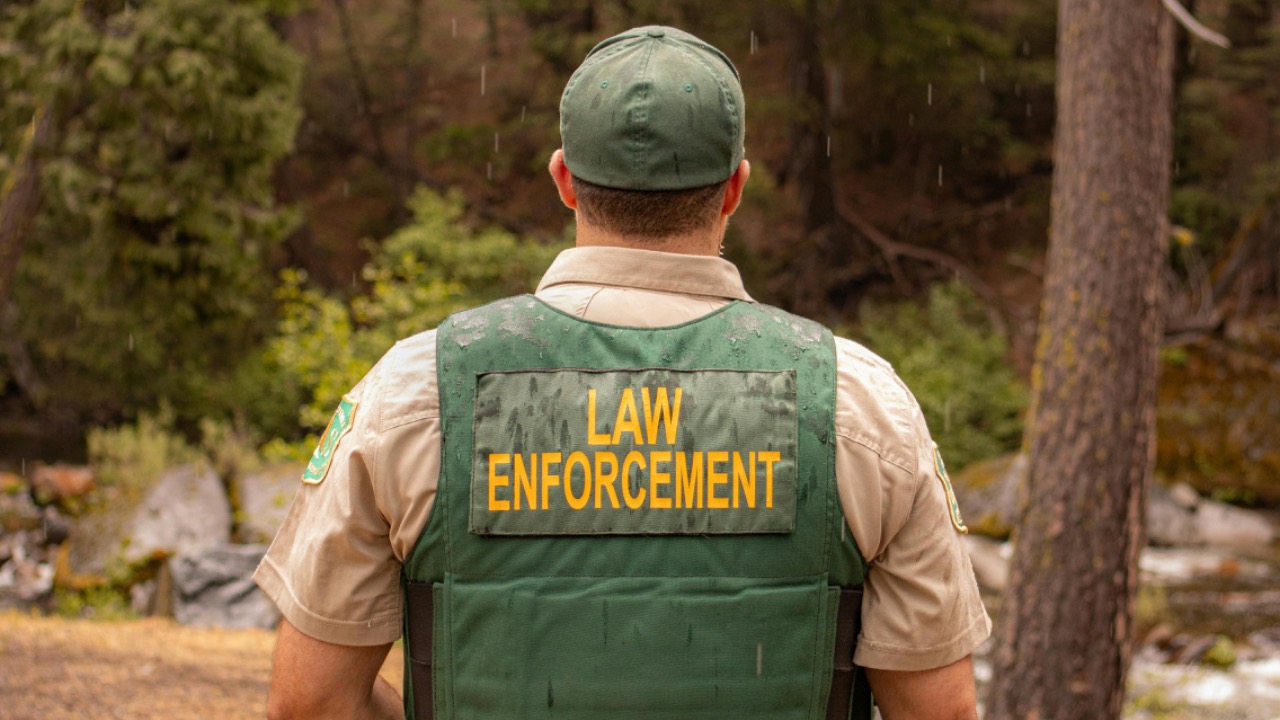
Park rangers aren’t limited to giving directions and checking passes. They’re federal law enforcement officers with authority to enforce firearm regulations.
If there’s a violation, they can issue citations, seize firearms, or make arrests depending on the situation. They also work closely with state and local agencies when needed. Treat every interaction seriously and stay within the law. Assuming rules won’t be enforced because you’re in a remote area is a bad bet.
If you’re going to carry in a national park, you need to stay sharp on the details. The rules aren’t impossible, but they’re layered, and they don’t leave much room for guessing. Know the state law, watch for posted restrictions, and understand where the lines are before you step across them.

Asher was raised in the woods and on the water, and it shows. He’s logged more hours behind a rifle and under a heavy pack than most men twice his age.